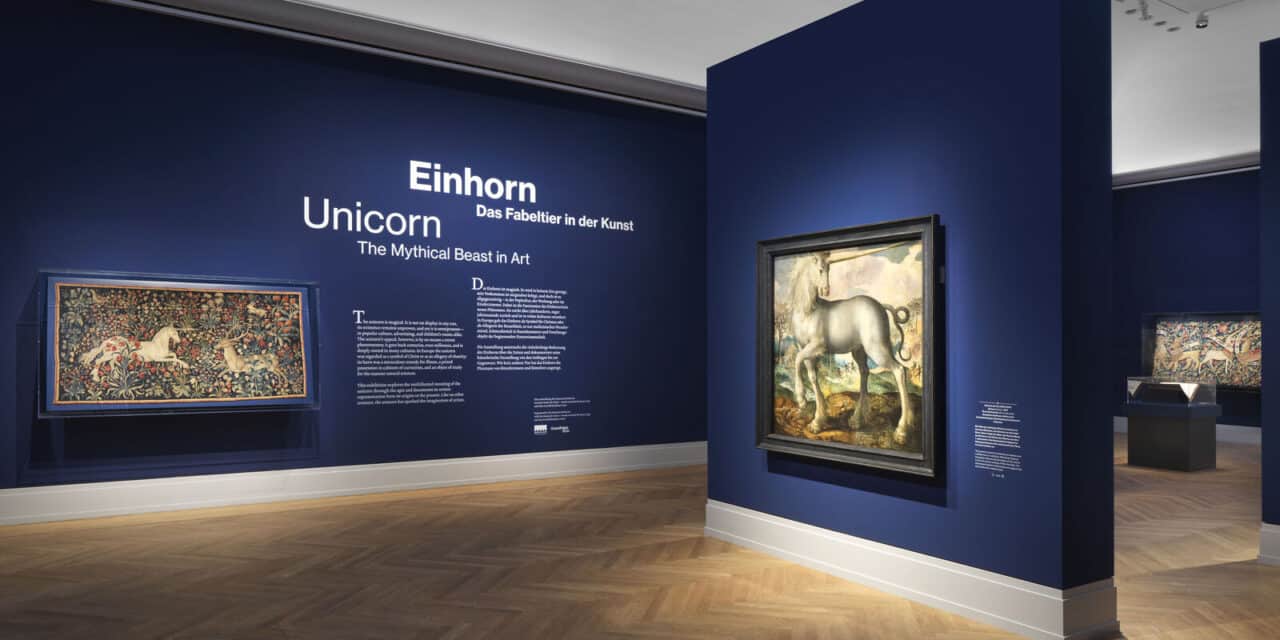
The unicorn has stimulated the imagination like no other animal. It has been documented in many cultures for centuries. Traces of the unicorn can be found in Christian and non-European art, in natural science and medicine and in a wide range of symbolism. The study of the iconography of the unicorn invites reflection on world knowledge, ambivalences and projections. For the first time, this theme will be explored and exhibited in an overview from antiquity to contemporary art.
The unicorn stood and still stands for freedom and indomitability, for purity and innocence, for naturalness and affection. The fascination with the mythical animal is not a new phenomenon - it goes back centuries, even millennia, and is widespread in many cultures. The tale of the unicorn originated in India, from where it spread to China and - via Persia and Egypt - to Europe. Here, the unicorn took on many meanings: It was regarded as a symbol of Christ, which is why it was shown on many altarpieces, it was considered a sign of chastity and was often painted with a young woman, and its horn was said to have miraculous medicinal powers, which is why many pharmacies named themselves after the unicorn.
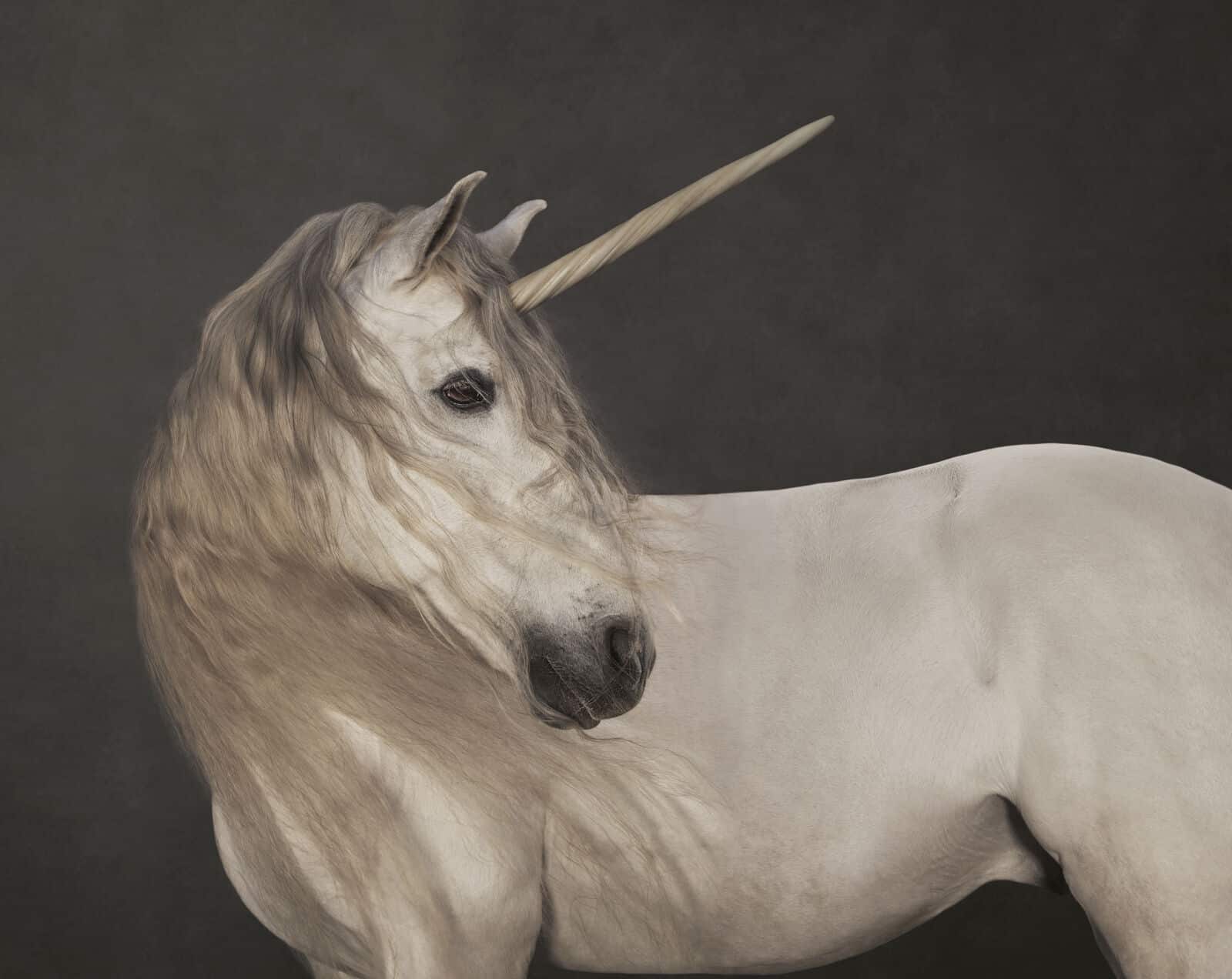
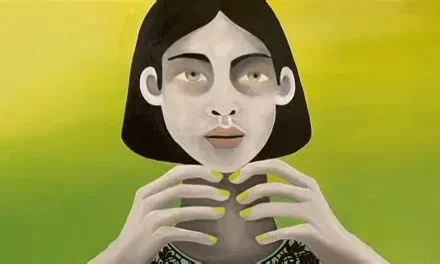
Marie Cécile Thijs: Unicorn, around 2015 © Marie Cécile Thijs SmithDavidson
In the Middle Ages, nobody doubted the existence of the unicorn; after all, it was also mentioned in the Bible. There was also visible proof of the unicorn's miraculous horn, which could be seen in many large churches: a long white, spirally twisted rod that tapers to a point at the top. It was not until the 17th century that naturalists were able to prove that it was a narwhal tooth. But even this scientific discovery could not diminish the unicorn's appeal.
This is the first time that the fascinating subject of the unicorn has been presented in this breadth and depth in a museum and opens up new art-historical perspectives: it illustrates how the unicorn has been symbolically charged in various cultural, religious and scientific contexts over thousands of years - and sheds light on iconographic connections and historical transformations that have received little attention to date.
October 25, 2025 to February 1, 2026