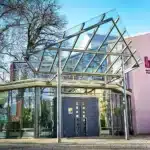
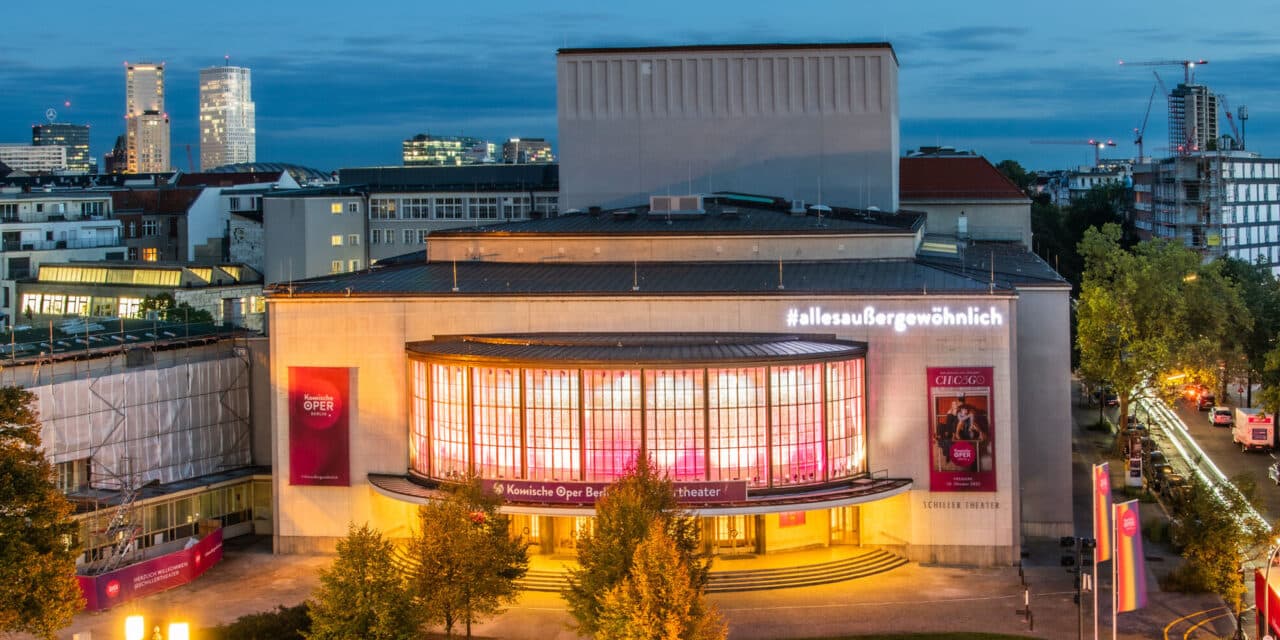
The Komische Oper Berlin on Behrenstraße in Berlin-Mitte is a house with a long history and contemporary aspirations - musical theater with a sense of tradition and renewal can be experienced here.
Originally, the theater was in the lineage of operetta, play-opera and Singspiel - the term "comic" was already used in the 18th century to mean something close to the people, not just humor. The theater's lineage stretches from the auditorium in Behrenstraße, to the newly built "Theater Unter den Linden" in 1892, to the Metropol Theater of the 1920s. After severe destruction during the Second World War, the theater was reopened in 1947 under the name Komische Oper. Under the directorship of Walter Felsenstein, it pursued the goal of merging musical and theatrical forms, in which music is not merely accompanied, but becomes theatrical. Today, the house sees itself as the heir to this tradition - musically, vocally and scenically.
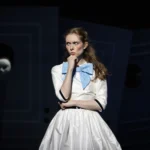
What distinguishes the Komische Oper is its concept of not leaving theater, operetta and musical theater within conventional genre boundaries, but combining them with a clear stylistic claim. The audience experiences productions in which dialog, music and scenic design are closely interwoven - modern musical theatre meets historical depth. In recent years, new spaces have been opened up: Festival formats, special productions, collaborations with other theaters, and a noticeable move to the city, out into versatile venues.
A visit to the Komische Oper therefore means immersing yourself in an opera house that is not defined by size and splendor, but by precision, sound and closeness - the stage becomes a space for the present, the past and the new at the same time.