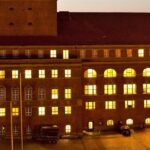
Built between 1922 and 1924 according to plans by Fritz Höger, the Chilehaus—the centerpiece of Hamburg's Kontorhaus district, a World Heritage Site—is considered an icon of Expressionist brick architecture.
In 1927, Höger hired architect Ossip Klarwein (1893–1970) as chief architect in his office; Klarwein played a key role in numerous projects until 1933. Among the most striking examples of his work are the town hall in Wilhelmshaven-Rüstringen, often referred to as the "castle by the sea," and the church on Hohenzollernplatz in Berlin, known as "God's power station."
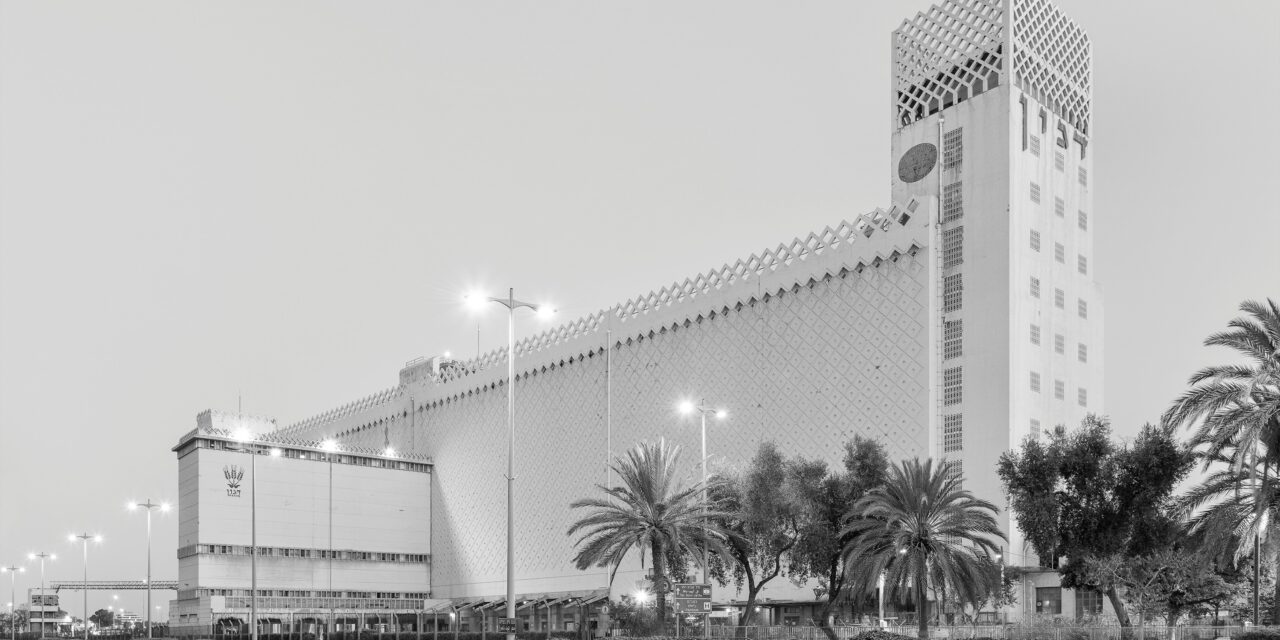
The exhibition traces the life and work of the Jewish architect who emigrated to what was then British Mandate Palestine in 1933 and later had a decisive influence on the architectural appearance of the young state of Israel. His most famous buildings include the parliament building in Jerusalem, the Knesset, the tomb of Theodor Herzl, and the monumental grain silo in the port of Haifa.
Curated by Jacqueline Hénard for the Active Museum Berlin, the exhibition presents documentary images and film material, supplemented by current photographs by Israeli artist Eli Singalovski (*1984), who has captured Klarwein's building in its present state. The exhibition, part of the Jewish Culture Days Hamburg 2025, is based on a comprehensive publication with a catalog of works, the result of several years of German-Israeli research cooperation.
November 16, 2025, to February 8, 2026