
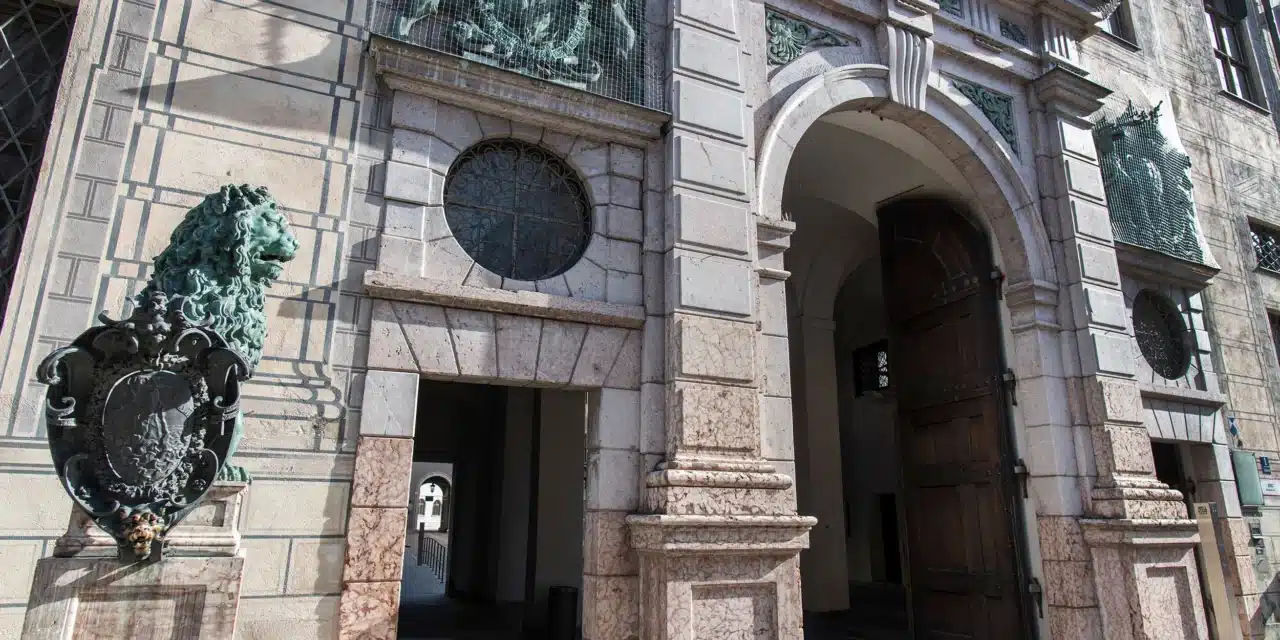
In the middle of the Munich Residence is a place where history literally carries weight: the Munich State Coin Collection, one of the oldest and most important of its kind in Europe. Founded by Duke Albrecht V in the 16th century, the art chamber of a Renaissance prince grew into a collection that today comprises over 300,000 objects - coins, medals, cut stones and seals from all eras and cultures.
The museum's cabinets contain tiny works of art that tell of power, faith, beauty and the course of the world. The oldest Greek coin lies here, as do magnificent gold medals from the Wittelsbach dynasty, Roman gems and medieval treasures from Bavarian soil. What once began as a passion for collecting has become a mirror of human civilization over the centuries - a condensation of art, politics and economics.
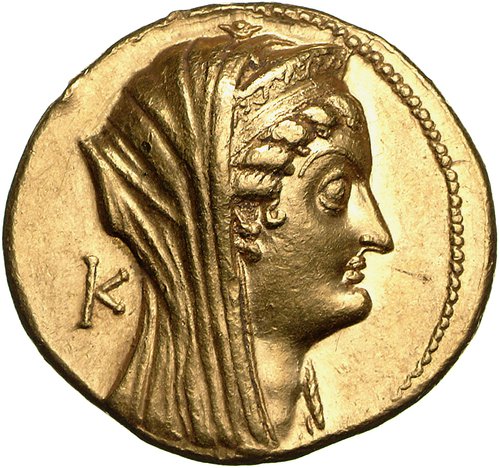
Arsinoë II. This coin with the portrait of the Egyptian queen Arsinoë II Philadelphos is made of pure gold. State Coin Collection Munich
"Old treasures - newly discovered"
But the coin collection is not a place of dusty showcases. With the exhibition "Old treasures - rediscovered", it invites visitors to discover previously hidden treasures. Works emerge from the vaults that amaze even connoisseurs: a crystal seal of the "Winter King" Frederick V of the Palatinate, which once sealed letters with the royal coat of arms; a golden coin of the Egyptian Queen Arsinoë II, minted around 253 BC, which shows a woman as a divine ruler for the first time; or a ship's coin that was salvaged from the sea after a dramatic sinking off Mozambique - evidence of a global trade that connected continents four centuries ago.
The show unfolds a panorama of world history in miniature: coins from Byzantine, Ottoman and Baroque workshops, finely cut gemstones reflecting the gods of Greece and medals casting portraits of princes in shiny metal. Each of these small forms is both a work of art and a contemporary document - created to circulate, to commemorate, to represent.
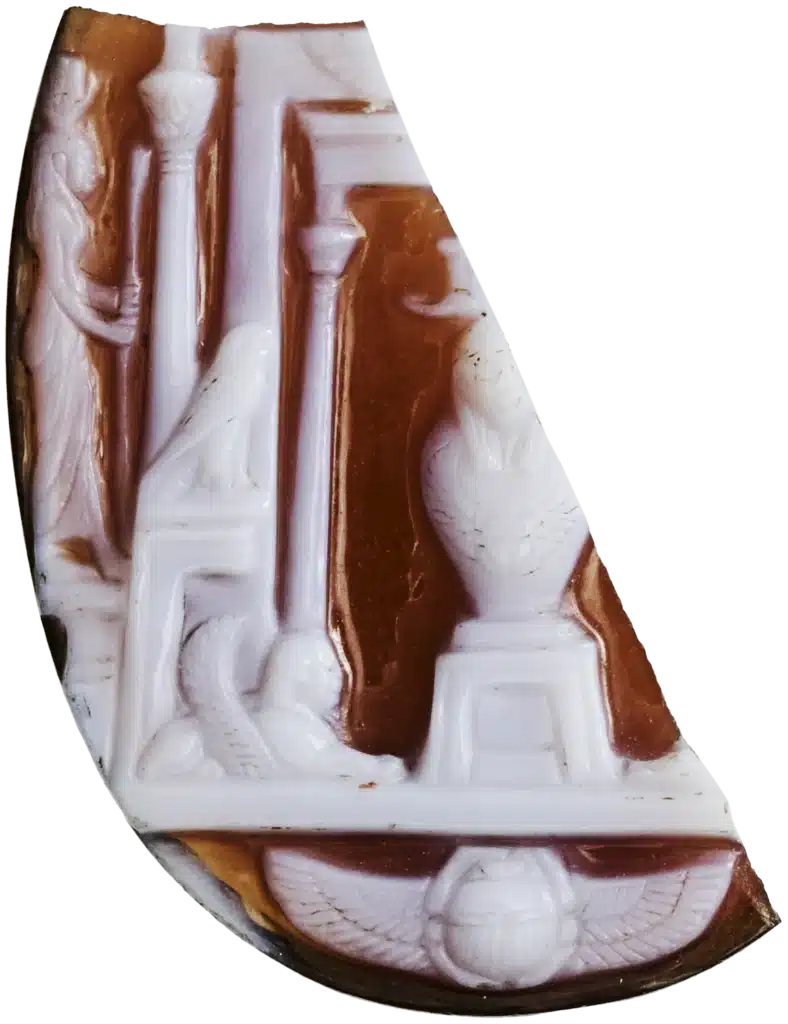
A sphinx lies in front of a column - so does this masterful cameo come from Egypt? After Augustus' victory over Cleopatra in 31 BC, an 'Egyptomania' set in among the Roman upper classes. Even as fragments, the stone loses none of its charm. However, it is a Roman work and shows what fascinated the Romans about the 'exotic' Egyptian culture. State Coin Collection Munich
Even today, the coin collection is a lively place of knowledge and encounters. In guided tours, curators and scholars tell the stories behind the coins; children can hold coins in their hands and learn what money once meant.
The library, one of the richest numismatic collections in the German-speaking world with over 35,000 titles, opens its doors to researchers and interested parties alike.
The coin collection thus becomes a place of wonder: power and myth glitter here, thousands of years of human culture are condensed into a few square centimetres of metal - precious, fragile and of everlasting brilliance.
Open all year round
www.staatliche-muenzsammlung.de
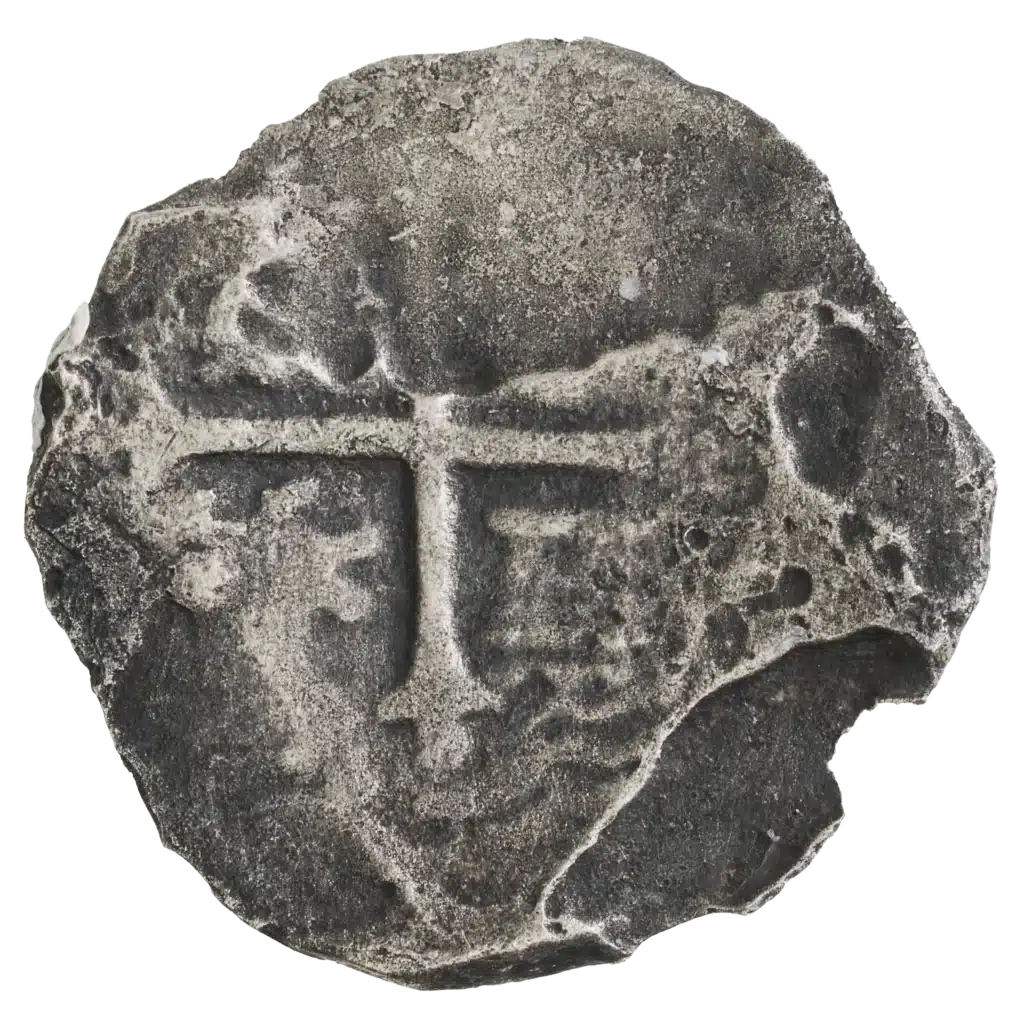
Ship coin. Coins are usually objects of trade, but rarely can their exact path be traced. This one comes from a Portuguese ship that sank off Mozambique in 1622. State Coin Collection Munich