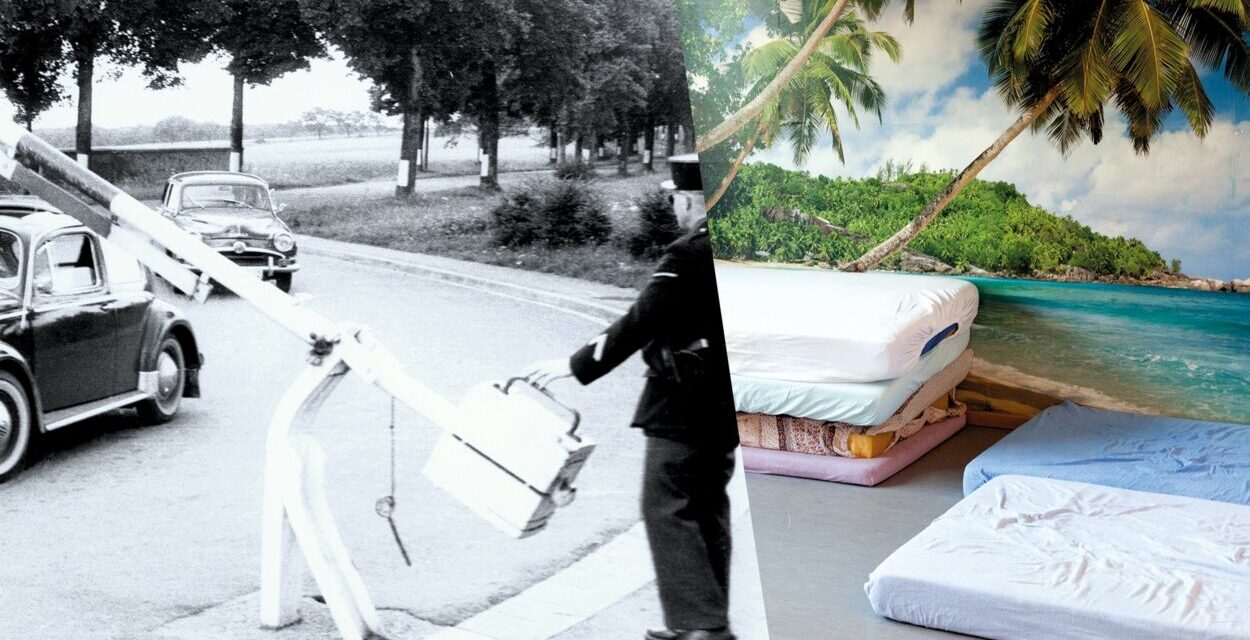
In cooperation with PixxelCult e.V., the Historisches Museum Saar is presenting a photographic exploration of the once again topical subject of borders. Borders divide - and connect. They are visible or invisible, politically set or personally perceived. The presentation at the Historisches Museum Saar uses impressive photographs to illuminate the multi-layered meanings of borders in the past and present.
The special exhibition "ANGRENZEN/ABGRENZEN. Photographic Perspectives" at the Historisches Museum Saar, created in cooperation with PixxelCult e.V., is impressively dedicated to the examination of borders - visible or invisible, politically set or personally perceived. On the occasion of the 70th anniversary of the Saar referendum in 1955 and the 90th anniversary of the referendum in 1935, the presentation opens with a photographic review of the eventful history of the Saarland border region. It highlights the political and emotional significance of the borders during the special periods from 1920 to 1935 and from 1947 to 1957 - from international administration and quasi-autonomy to the "small reunification" with the Federal Republic of Germany.
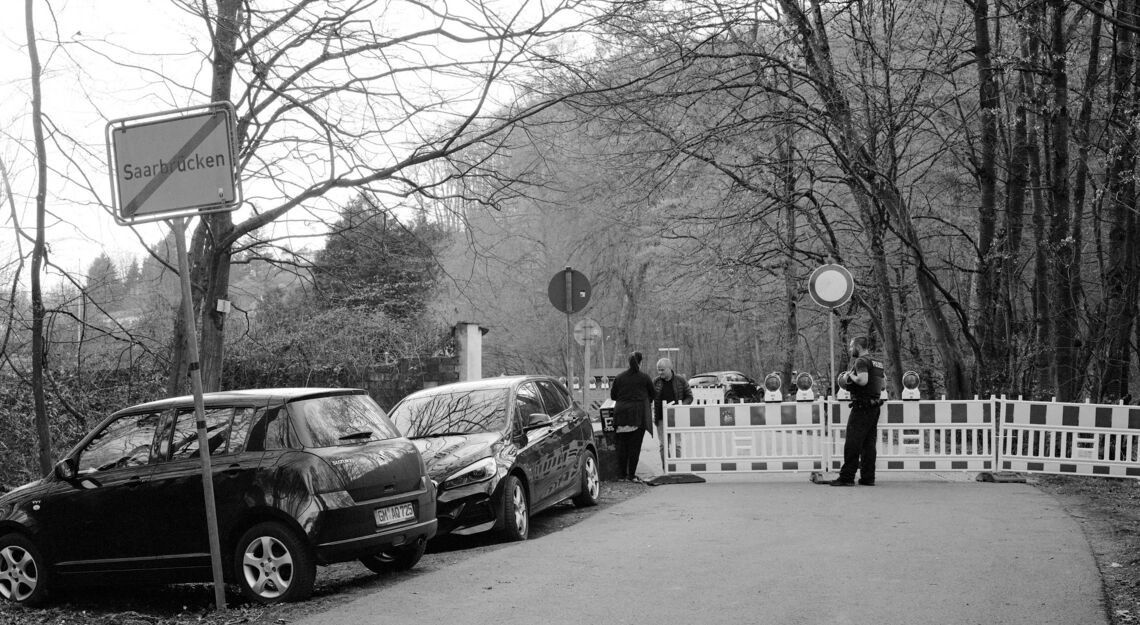
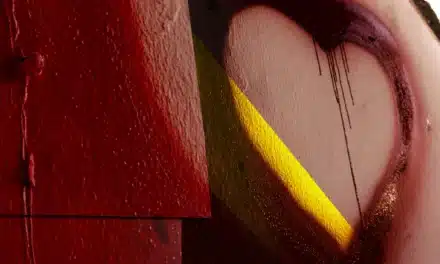
Covid borders © Alix Häfner
The focus is on contemporary photographic works that open up different perspectives on the subject. Ruth Stoltenberg focuses on Schengen and the border triangle, which has stood for open borders in Europe like no other place since the 1985 agreement. Alix Häfner documents the closure of border crossings in Saarland during the coronavirus pandemic in spring 2020, while Stefanie Zofia Schulz portrays refugees in the Lebach state reception center who live with the status of "toleration" in an everyday life of constant uncertainty. Photographs by Andreas Dorn and Yael Paris visualize the eventful history of Saarland using old border stones that can still be found along the state borders today. The exhibition concludes with a series by Thomas Roessler, who photographed border crossers and passers-by in places such as the Friendship Bridge in Kleinblittersdorf in 2025. Their statements give an immediate picture of life on the border - between everyday life, exchange and relationships across national borders.
September 13, 2025 to March 1, 2026