Housing is the social issue of our time. How and where we live influences our well-being and shapes our behavior and identity. Artists and architects have always imagined their ideas of future architecture in drawings. Based on this cultural studies approach, the Kunsthalle Tübingen takes a look at architectural drawing as an art form of the last one hundred years.
Using designs and selected models and sculptures from the 20th century to the present day, the exhibition illustrates how social and technological change has influenced artists'and architects' new concepts of living and visions of the city. Modernist and contemporary architects in particular are increasingly thinking of individual living environments and living spaces in social contexts and broadening their view - out of their own four walls and towards collective living contexts in an urban environment.
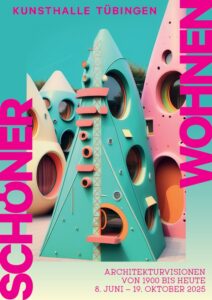
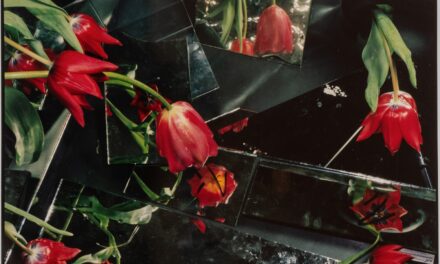
Exhibition cover for "Schöner Wohnen" Amelie Weyers, Darmstadt University of Applied Sciences, Department of Architecture 2024
The trail leads from expressionist utopias of a future world architecture oriented towards nature, through the functionalist and constructivist residential and urban concepts of the 1920s and the science fiction architecture of the 1960s, to the experimental, culturally critical anti-utopias of the post-war period and postmodernism. Today, traditional architectural drawings are rarely used in building planning. As early as the 1990s, computer-generated illustrations replaced hand-drawn designs and AI design technology offers artistsand architectsnew possibilities. On the one hand, the genre of architectural drawing has been made productive again in art in recent years, while on the other, digital transformation is also giving rise to hybrid design techniques that produce surprisingly new views of architecture.
Last but not least, the project poses the question of what a humane urban life of the future could look like and presents student designs that reflect the idea of "good" living in an existential and contemporary way. As a special highlight of the show, a capsule of the Kurokawa Tower by architect Kishō Kurokawa will be on display. Following the demolition of the iconic residential and office building in Tokyo in 2022, the Kunsthalle is the only institution in Germany to have acquired a residential module on permanent loan. The capsule will be on display and accessible in the Kunsthalle's sculpture courtyard for the duration of the exhibition.
June 8 to October 19, 2025