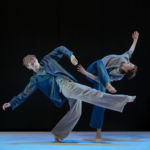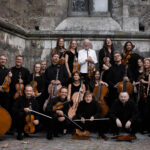
Theater Bremen is a lively four-genre theater in the heart of the Hanseatic city that combines opera, drama, dance and young theater. Its venues - from the historic Theater am Goetheplatz to the Kleine Haus, the Brauhauskeller and the MoKS stage - are architecturally linked and together offer space for over 1,200 people. As a cultural meeting place, the theater forms the center of Bremen's "cultural mile", directly adjacent to museums and the central library.
The theater was founded in 1913 and rebuilt after the war; it has cooperated closely with the Bremen Philharmonic Orchestra since 1917. Under director Kurt Hübner in the 1960s, the theater developed into a pioneer of the "Bremen style" - innovative director's theater that attracted national attention. Since then, creative experimentation and powerful musical theater have shaped the self-image of the house, which has repeatedly been awarded prestigious prizes.
Diversity is not only a priority on stage: With the MoKS program, the theatre specifically targets young audiences and creates formats that actively introduce school classes and children to theatrical processes. The Brauhauskeller acts as an ideal small stage for trying out new ensemble and up-and-coming theater, while the Kleine Haus offers a stage for contemporary productions in drama or dance.
The claim of Theater Bremen is clear: it wants to be a place of living democracy - with artistic freedom, depth of content and public participation. It invites the audience to reflect on questions of freedom, society and the urban public sphere. In close cooperation with the University of Bremen, a space for dialog, reflection and aesthetic development is created. The city supports this as a public theater operation - an essential cultural asset that enables diversity, experimentation and community.