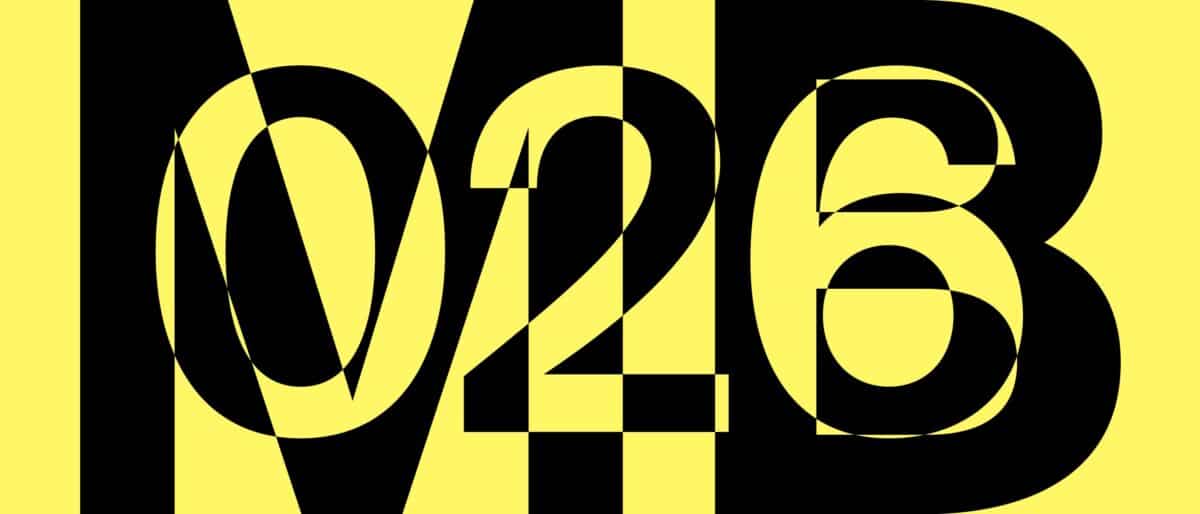
When Munich becomes a stage for new things in May 2026, the world of music theater will meet at a place of innovation, openness and curiosity. The Munich Biennale, founded in the 1980s by Hans Werner Henze as a laboratory for young music theater, will remain a place of experimentation under the new artistic directorship of Katrin Beck and Manuela Kerer: a festival in which boundaries blur, illusions become reality and sound, movement and performance merge into new sensory experiences.
This year, the Biennale is taking place under the inspiring sign of Henze's 100th birthday. It connects local communities with international artists and opens up spaces for discourse, encounters and co-creation. Eleven world premieres, numerous co-productions and an innovative open call on the subject of "Martial Arts" show how diverse music theater can be today: sometimes poetic, sometimes physical, sometimes interactive, sometimes political.
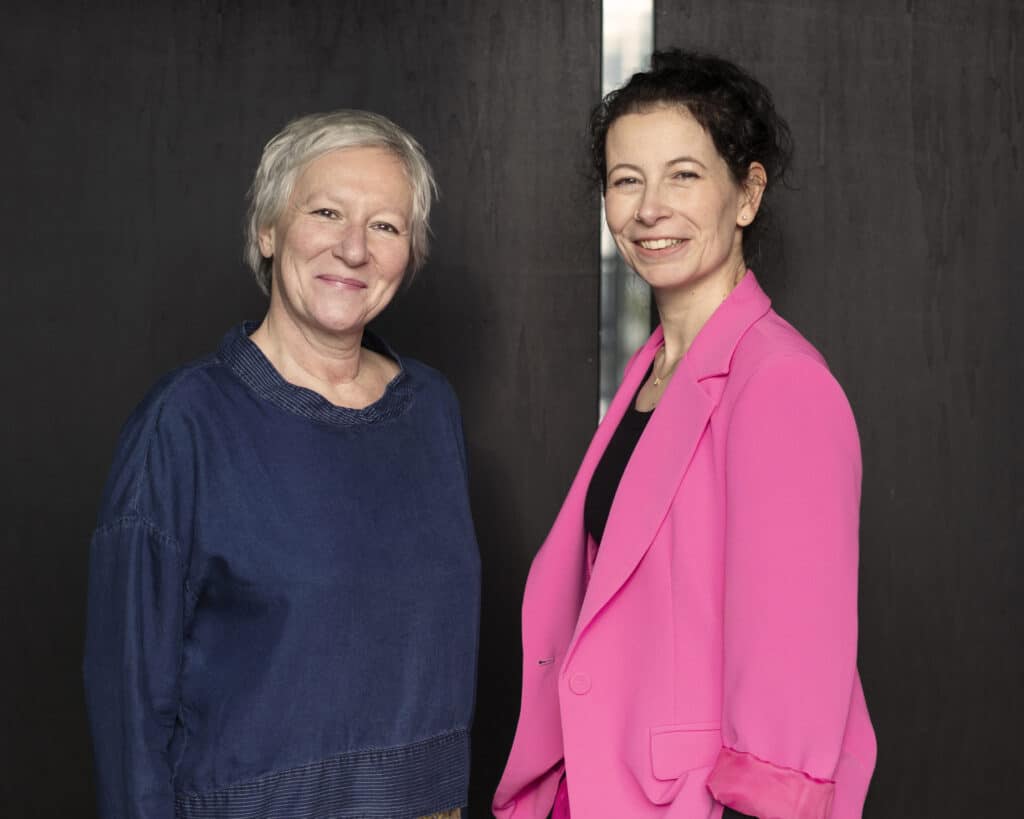
The new artistic duo: Katrin Beck and Manuela Kerer © Astrid Ackermann
The productions take us into worlds in which technology, myth, body and society collide. In "Codeborn" by Zara Ali, for example, the audience experiences the world of an artificial intelligence - transformations, power fantasies and impossible encounters unfold in a musical cosmos between reality and imagination. In "Vo1ces//Bod1ez" by Piyawat Louilarpprasert, the historical voices of Hans Werner Henze meet contemporary compositions, a music theater portrait about resistance, work and ritualized body movements.
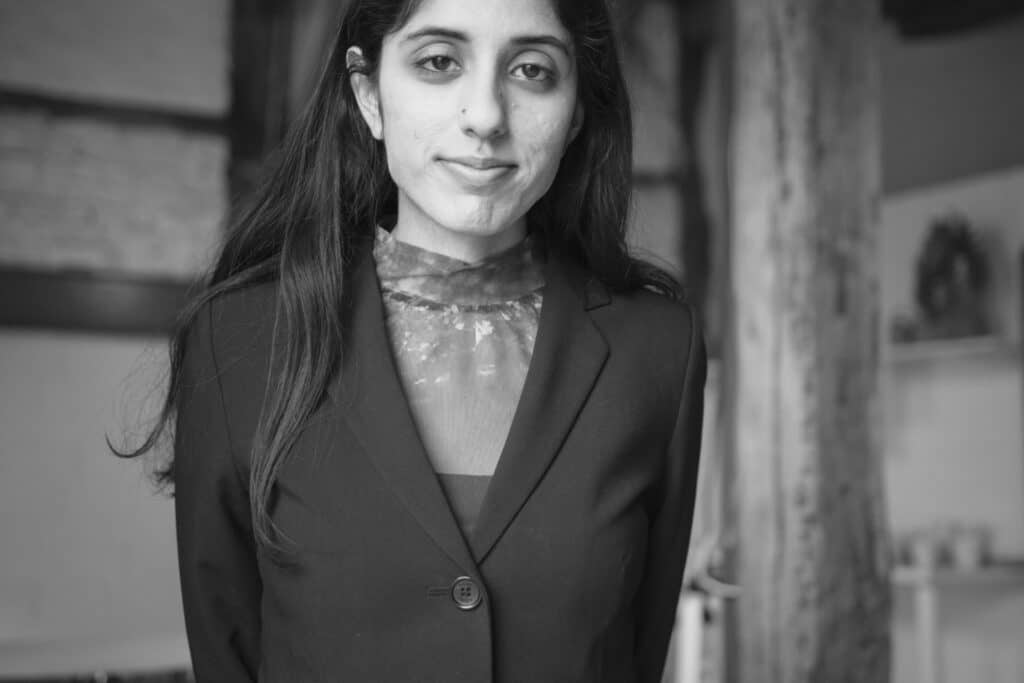
Zara Ali © Camilo Pachón, Artists' Village Foundation 2024
The Biennale goes far beyond classical productions: "Foosball" by Francesco Giomi transforms table soccer into an acoustic event in which the audience and players become sound performers. Asia Ahmetjanova's "ENDLICH" confronts the finite nature of life, while Monthati Zenzile Masebe's "Isithunzi" interweaves African tradition, electronic soundscapes and Western instruments to create a subtle exploration of identity and origin.
The magic of ancient myths is also reinterpreted: Maximiliano Soto Mayorga reconstructs the ritual combat practices of the Aztecs in "Xochiyaoyotl", while Margareta Ferek-Petrić transports children and adults alike into a poetic world full of humor and friendship with "Der Miesepups".
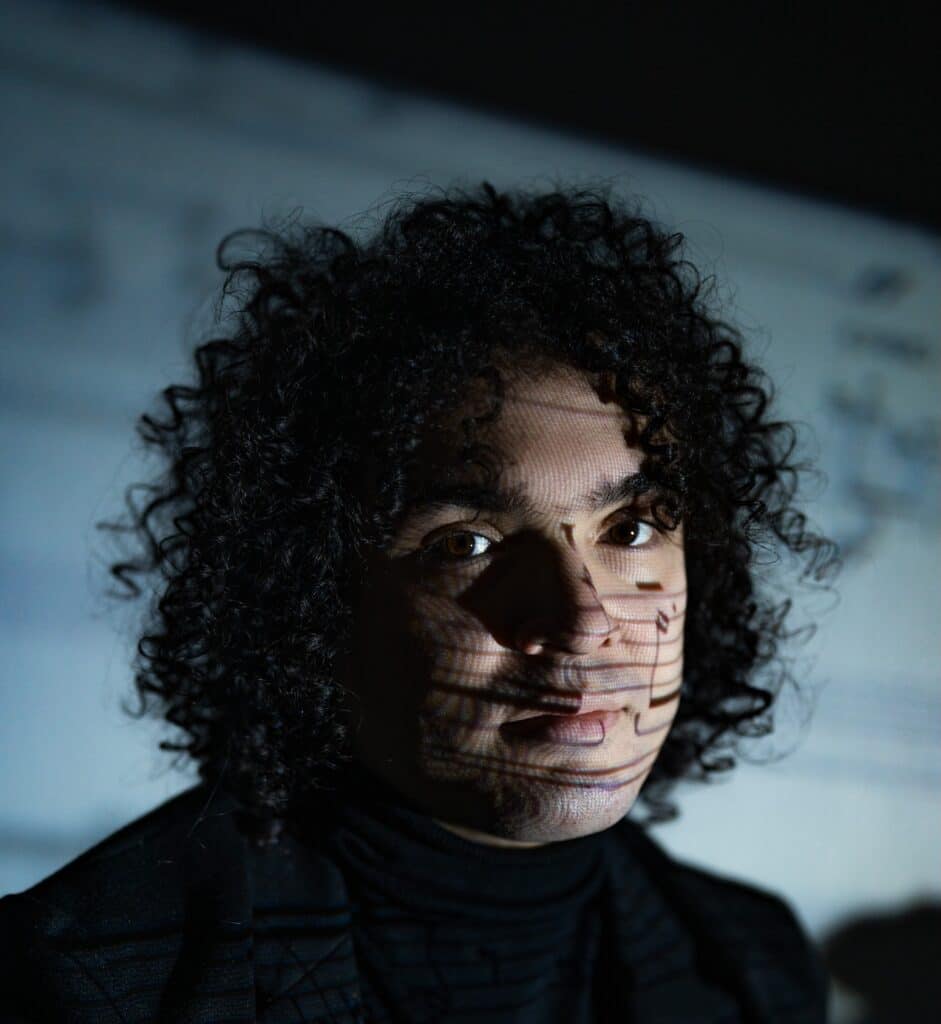
Maximiliano Soto Mayorga © Elza Loginova
With "Hidden Heartache", Ailís Ní Ríain and Julie Herndon develop a body language beyond human understanding, and Yuri Umemoto brings together European opera, Japanese ghost stories and AI in a theater experiment.
The 2026 Biennale is an invitation to engage with the unknown, to experience sound, movement and performance in a new way. It shows that music theater is by no means a static genre, but a living field in which society, technology, history and physicality are in constant interaction. The Munich Biennale thus remains true to Henze: as a laboratory for the future, as a stage for young voices, as a forum for everything that cannot be contained in rules.
Munich will once again be a place of sound adventures, experiments and artistic discoveries.
May 8 to 20, 2026
www.muenchener-biennale.de
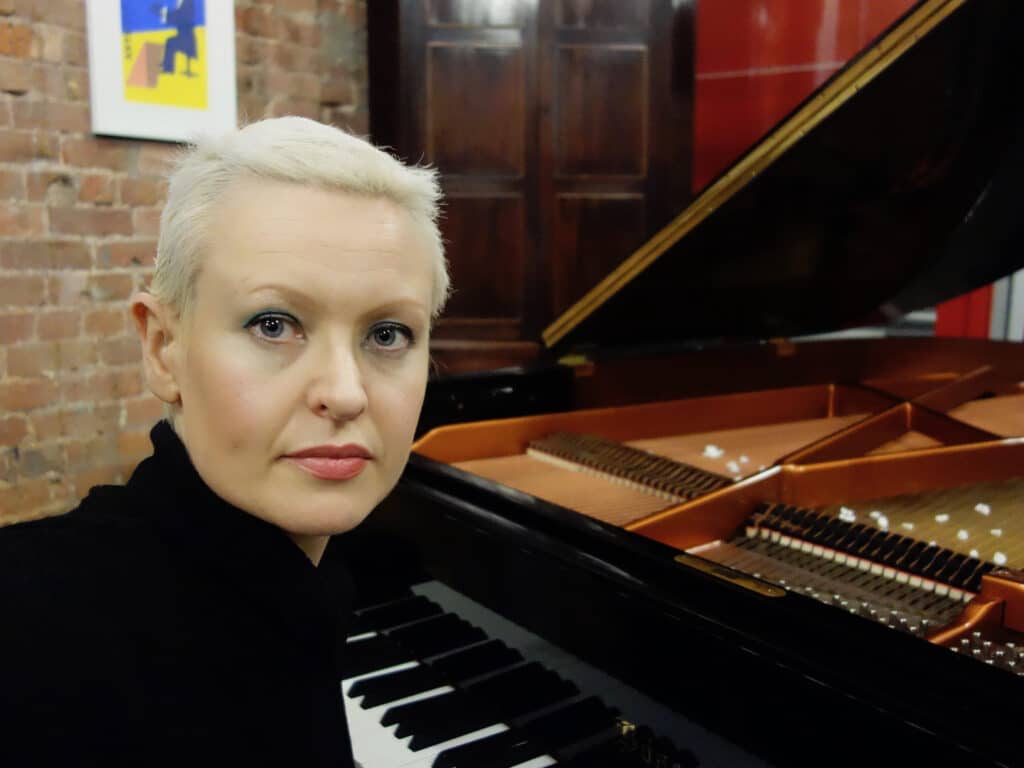
Ailís Ní Ríain © Ailís Ní Ríain