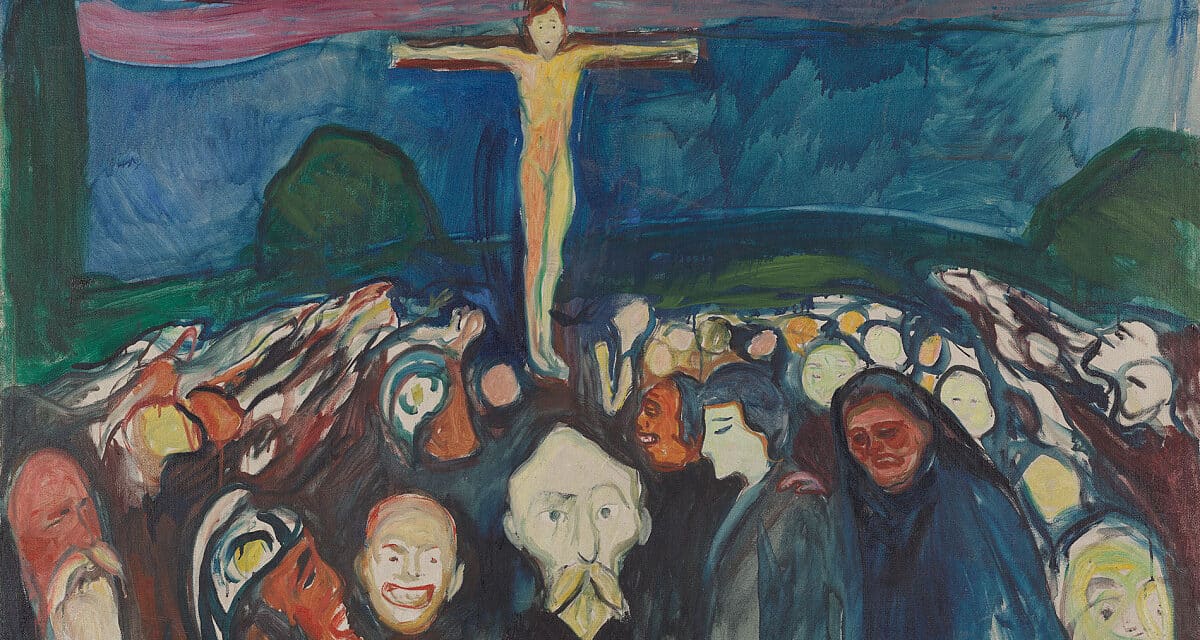
Modernism is often portrayed as a radical departure: a shedding of old conventions, a new visual language that shows people in their most inner turmoil. But in reality, the great break was also a look back. Artists such as Edvard Munch, Käthe Kollwitz, Max Beckmann and Paula Modersohn-Becker found their inspiration not in the academic traditions of the 19th century, but in the powerful, often raw expressive forms of Gothic art. The ALBERTINA Museum's major autumn exhibition, "Gothic Modern", makes this surprising connection visible - and invites visitors to engage in a dialog between centuries.
Around 200 works show how the pathos and immediacy of late medieval art shaped modern art. Munch's figures reflect the same existential questions that also moved Cranach or Holbein: love and death, faith and doubt, hope and despair. With her powerful woodcuts, Kollwitz drew on medieval imagery not only in form but also in content - pain, grief and the experience of loss are as directly tangible in her sheets as in the expressive sculptures of a Gothic Pietà.
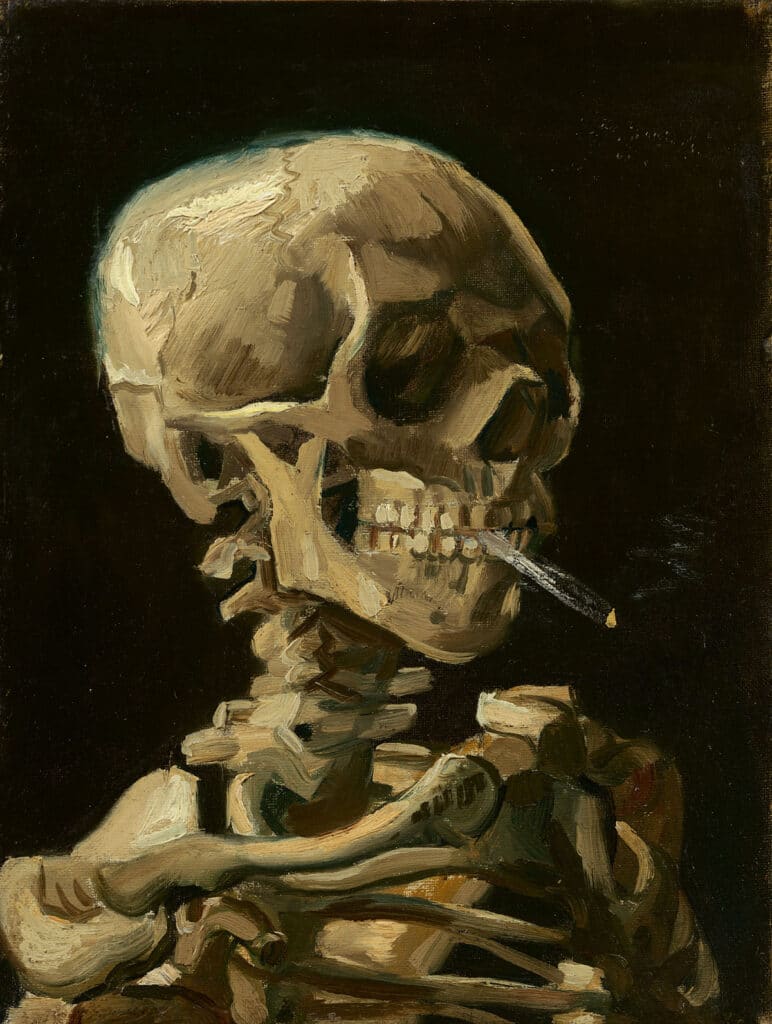
Vincent van Gogh, Head of a skeleton with a burning cigarette, 1886 Oil on canvas, Van Gogh Museum, Amsterdam (Vincent van Gogh Foundation)
The exhibition makes it clear that in the eyes of modernism, Gothic art was not a museum and a thing of the past, but a burning issue. Its radical emotionality, formal austerity and intense symbolism provided a projection surface for artists seeking the unadulterated. Vienna, an important hub around 1900, was particularly fertile ground for this movement: the Secession was a meeting place for international positions, from Akseli Gallen-Kallela to Helen Schjerfbeck and Edvard Munch, who exchanged ideas with Gustav Klimt and Egon Schiele.
"Gothic Modern" not only shows thematic parallels, but also a conscious rediscovery of medieval techniques: Stained glass windows, tapestries and woodcuts were reinterpreted by artists and brought into the present day. Instead of nostalgic romanticization or national appropriation, as was the case with historicism, the focus was now on the aesthetic power of the Gothic period itself - an art that touched the innermost being and taught modernism to make states of mind visible.
In this large-scale exhibition, the ALBERTINA Museum interweaves Gothic masterpieces with key works of modern art. It shows that art history consists less of ruptures than of resonances - and that the dialog between past and present is often more productive than any demarcation.
September 19, 2025 to January 11, 2026
www.albertina.at
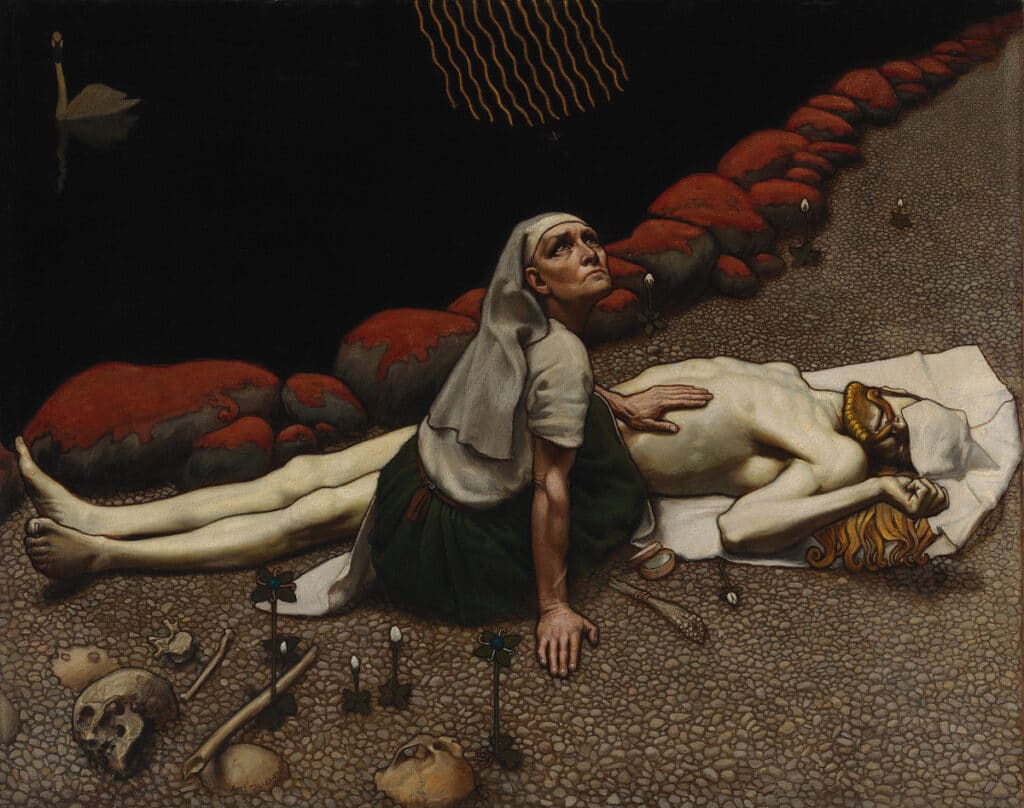
Akseli Gallen-Kallela, Lemminkäinen's Mother, 1897 Tempera on canvas, Finnish National Gallery / Ateneum Art Museum, Antell Collections, Helsinki © Photo: Finnish National Gallery / Hannu Pakarinen