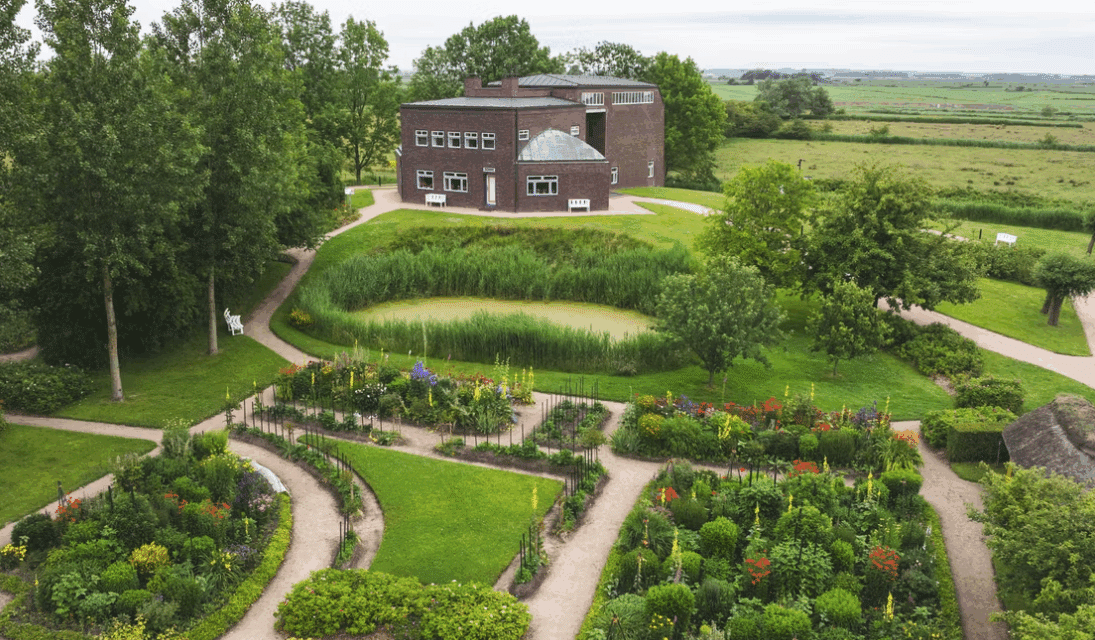
Between light and color, space and nature - the Nolde Museum Seebüll is a place where art, life and landscape merge into a total work of art.
The Nolde Museum Seebüll is more than just a gallery: it is the former home and studio of the expressionist Emil Nolde, which he designed and moved into himself in 1927. Built in the style of clear forms and with a flat roof, the house deliberately sets itself apart from the traditional Frisian courtyards and makes a statement in the North Frisian marshland landscape.
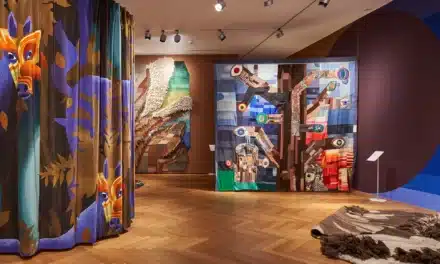
Nolde's studio was located on the first floor - today an exhibition space for his religiously inspired paintings. Above it is the picture room, which Nolde added in 1937. The formerly private living areas have been converted into exhibition cabinets for watercolors, drawings and prints, so that visitors can experience both the artistic works and the artist's living space.
The garden is an integral part of the museum: with dahlias, asters and paths that form the initials of Ada and Emil Nolde (A and E), it is deliberately laid out as a cottage garden and reflects Nolde's idea of nature and symbolism. Directly in the garden are the "Seebüllchen" thatched cottage, a pond and the burial place of Ada and Emil Nolde, whose front wall is decorated with a mosaic of the Madonna.
Since the establishment of the Seebüll Ada and Emil Nolde Foundation in 1956, the house has been run as a museum. As part of a comprehensive modernization, two elegant new buildings - the Forum and the Kontor - were added to the ensemble. The Forum houses the evidence of Nolde's life and work, complemented by a café and museum store, while the Kontor houses the foundation with its library and office. The collection includes works from all of Nolde's creative phases - paintings, watercolors, drawings and prints - supplemented by changing thematic exhibitions. One of the highlights is the monumental work "The Life of Christ", a nine-part altarpiece that Nolde created during his religious phase.
A visit to the Nolde Museum Seebüll combines art with architecture, nature with spirituality and provides an intimate insight into the life of one of Expressionism's greatest color masters.