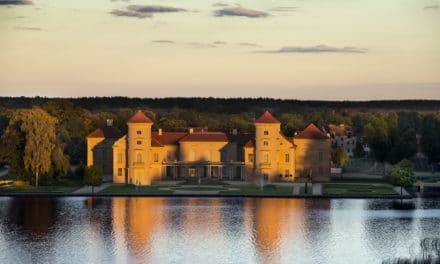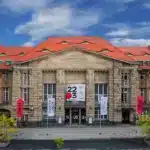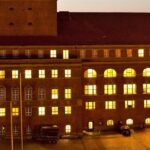
The Ernst Barlach House in Hamburg is one of those special places where sculpture can be experienced in all its intensity and expressiveness. Located in the middle of a spacious park, the museum is not only dedicated to the work of Ernst Barlach, but also repeatedly sets exciting accents within 20th-century art with finely curated exhibitions. Here, the collection and the present meet in dialogue—quiet, intense, and always with great aesthetic clarity.
In the summer of 2026, the museum will focus on one of the most important sculptors of the first half of the 20th century with the exhibition "Nothing Without Nature": Ewald Mataré (1887–1965). Originally working as a painter in Berlin, Mataré discovered sculpture after a formative stay on Wangerooge in 1920, via woodcuts and found wood – and thus the art form that would have a lasting influence on his work.
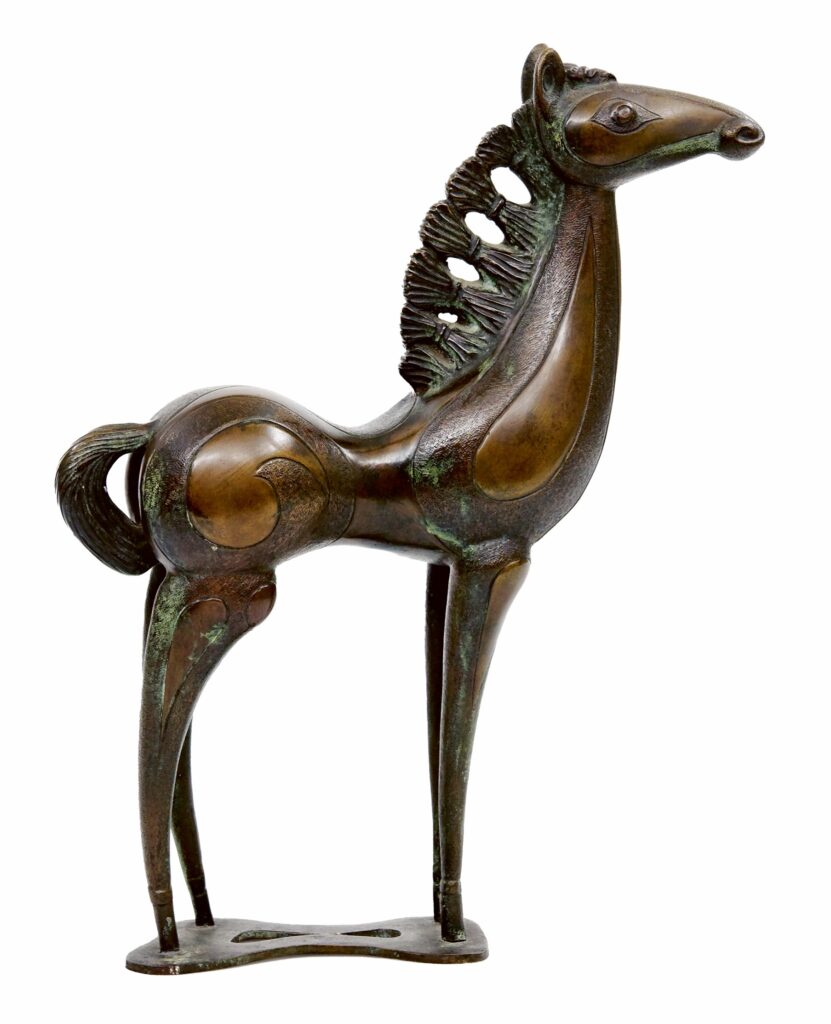
Ewald Mataré: Sign of a Horse, 1945, bronze, Museum Kurhaus Kleve – Ewald Mataré Collection, Kleve © VG Bild-Kunst, Bonn 2026; photo: Annegret Gossens
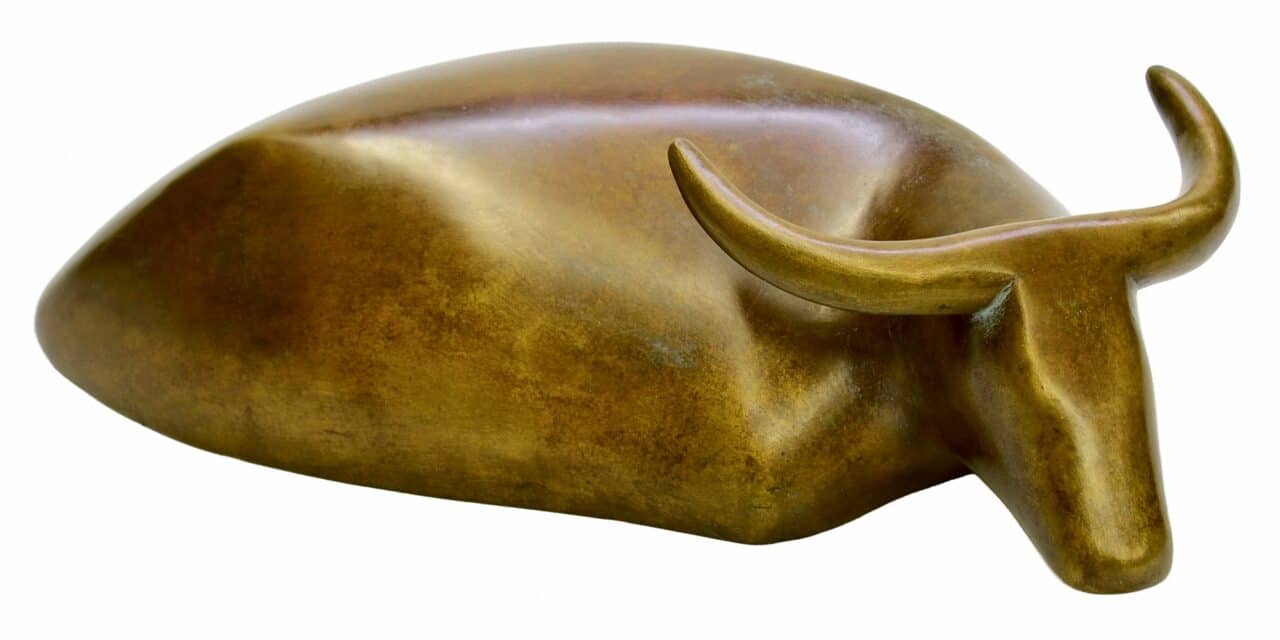
Animals became the central motif of his work. From close observation, especially of cows, Mataré developed his characteristic reduced, symbolically abstracted sculptures. His works do not seek detail, but essence: form becomes an expression of being, tranquility, and inner tension. It is precisely the often small-format sculptures that unfold a remarkable presence. Materials such as bronze, zinc, silver, and fine woods reveal Mataré's sense of surface, proportion, and the quiet elegance of reduction. Mataré's influence extends far beyond his own work: as a teacher at the Düsseldorf Art Academy, he shaped a generation of artists, including Joseph Beuys. The exhibition invites visitors to rediscover nature as the origin and inspiration of his art.
June 21 to October 11, 2026
www.barlach-haus.de