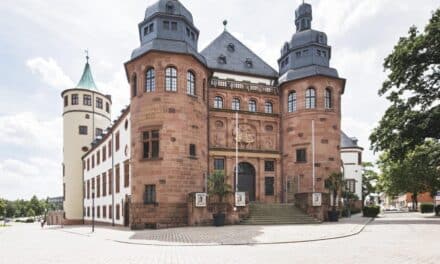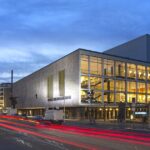
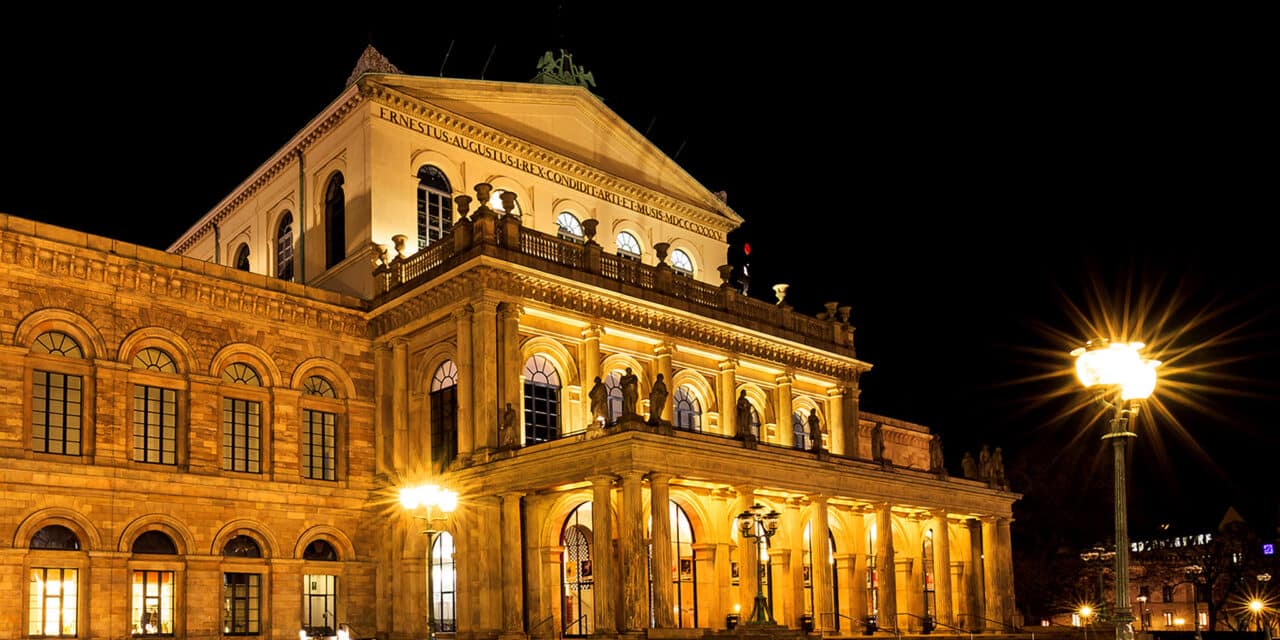
The Hanover State Theatre, in particular the State Opera House on Opernplatz, is an architectural gem in the late classicist style, built between 1845 and 1852 according to plans by the court architect Georg Ludwig Friedrich Laves. The monumental façade with its portico and balcony reliefs gives the opera house an elegant presence on the outskirts of the historic city center.
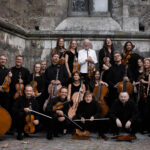
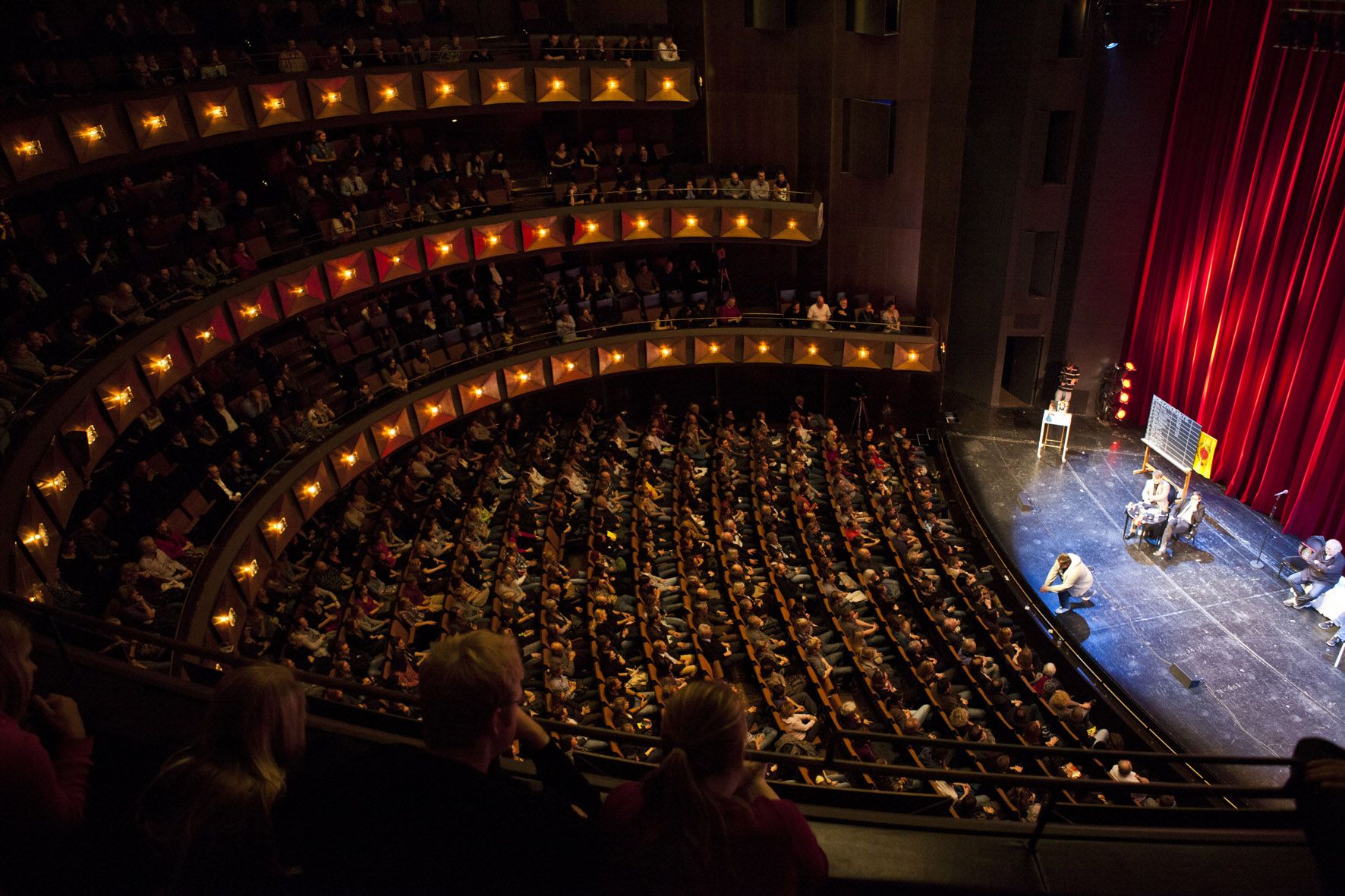
After severe destruction in the Second World War, the building was rebuilt true to the original until 1950 and modernized in the following decades, most recently with improved acoustics and stage technology in the 1990s. Today, the main auditorium seats around 1,200 people and is considered one of the most important theaters in Germany. As a multi-genre theater, the Staatstheater unites the Hanover State Opera, Schauspiel Hannover, State Ballet, State Orchestra and the Hanover Theater Museum under one roof. With over 30 voices in the ensemble, its own dance company and the renowned Lower Saxony State Orchestra, artistic diversity of the highest standard is created here every day.
View of the opera house © Philipp Jeske
In addition to performances in the opera house, numerous productions take place in the Schauspielhaus, the Cumberlandsche Galerie, Ballhöfe Eins and Zwei as well as temporarily in the Kulturhof and at district venues - including the Young Opera and Drama Program as well as theater offerings for young audiences. The season comprises around 35 premieres and over 700 events per year - including operas, ballet performances, plays, concerts, chamber music and interactive formats. This makes the theater a vibrant cultural engine in the region.
The opera square is located directly next to the opera wall, surrounded by urban infrastructure and ideal for a stroll during a performance. Guests will find barrier-free access to the site, a dedicated service team and regular guided tours with a look behind the scenes.
A visit to the Staatstheater Hannover promises impressive architecture, world-class artistic quality and a fascinating cultural offering in a central location in the capital of Lower Saxony.