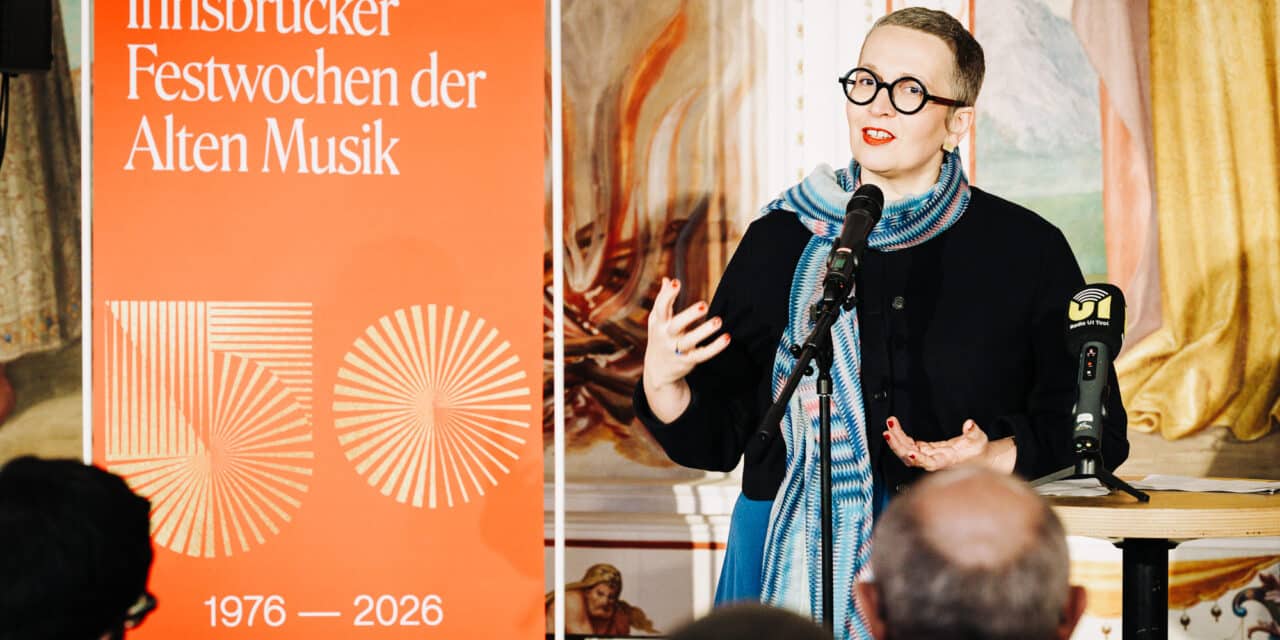
Five decades after its founding, the Innsbruck Festival of Early Music is confidently asking itself a key question in its anniversary year 2026: What are we celebrating? The answer unfolds in a program that is equally retrospective, homage, and blueprint for the future. From July 24 to August 30, Innsbruck will once again be transformed into a center for historically informed performance practice—with clear accents that show why this festival has enjoyed international renown since 1976.
The focus is on the most spectacular Baroque opera in music history: Pietro Antonio Cesti's "Il pomo d'oro," premiered at the Viennese imperial court in 1668 and legendary for its 47 roles, its wealth of imagery, and its extraordinary expense. Under the musical direction of Ottavio Dantone, who also recomposed the lost parts of Acts III and V, the work is being performed in its entirety for the first time since its creation. Director Fabio Ceresa, costume designer Giuseppe Palella, and set designer Nikolaus Webern have created a visual feast, supported by the dancers of Street Motion Studio and the Tyrolean ensemble NovoCanto.
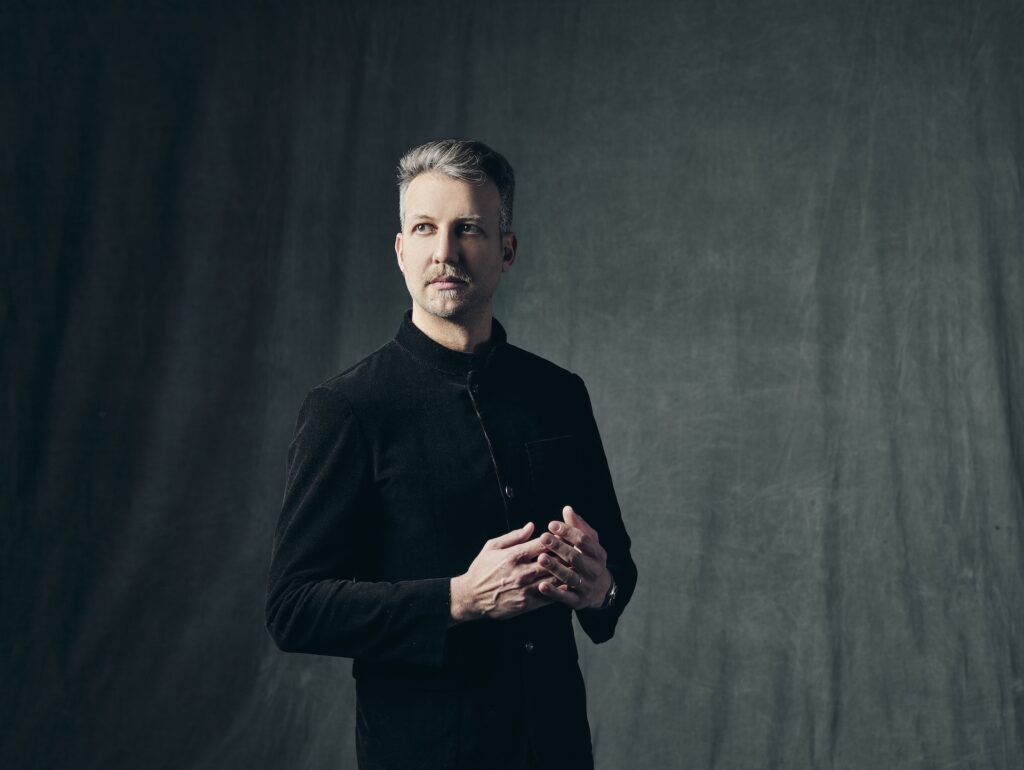
Director Fabio Ceresa
In addition, George Frideric Handel's "Atalanta" marks this year's edition of the Baroque Opera: Jung – a format that enables young singers to make the leap onto the international stage. Performed by last year's Cesti Prize winners and conducted by Andrea Buccarella, this production demonstrates how naturally the future of early music in Innsbruck is linked to the promotion of young talent.
The festival concerts bring together big names from the scene: Jean Rondeau, Giovanni Antonini, Anna Bonitatibus, the Orchestre de l'Opéra Royal de Versailles, and the Academia Montis Regalis are examples of artistic excellence. A special highlight is the tribute concert for harpsichordist and musicologist Alan Curtis, organized by Dantone and the Accademia Bizantina.
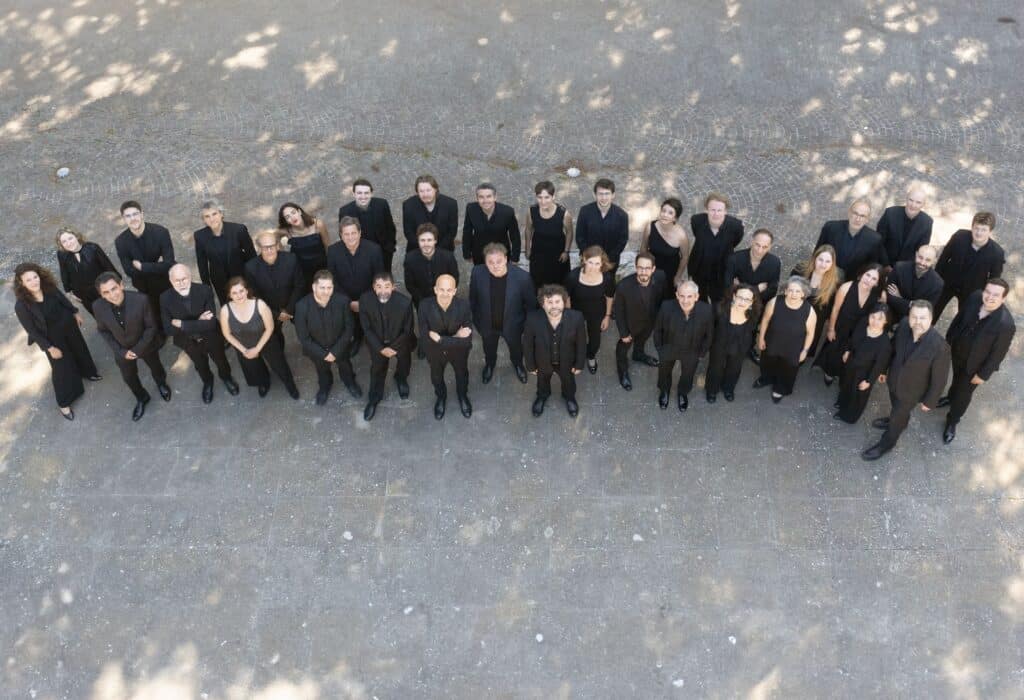
Accademia Bizantina © Silvia Camporesi
However, the anniversary will not only be celebrated in concert halls. Numerous free events will open the festival to a wide audience, including a large celebration in Innsbruck's Hofgarten, where early music will be performed outdoors for an entire afternoon. In the evening, the 2025 festival production, Cadara's "Iphigenia in Aulis," will be presented on a large screen.
For Eva-Maria Sens, artistic director since 2023, the anniversary is a moment to pause and reflect: it is a celebration of "the early music that connects us," the passion of the artists, and an audience that has supported this festival for decades. Governor Anton Mattle and Mayor Johannes Anzengruber emphasize the cultural significance of the festival for Tyrol and the provincial capital. The grand finale on August 30 is the final of the 17th Cesti Competition, one of the most important springboards for young singers worldwide.
In 2026, the festival will not only celebrate a milestone anniversary—it will celebrate its role as a living force in early music. And with each event, it will provide a convincing answer to the question: What are we celebrating?
July 24 to August 30, 2026
www.altemusik.at