

When art patron Dr. Alfons N. Knauf began transforming the baroque administrative building from 1688 into a museum in the 1960s, he was following a vision: to bring world art to life in Franconia through masterful plaster reliefs. Today, the Knauf Museum presents over 200 casts from great cultures in a permanent exhibition—an imaginary world museum under one roof, which is expanded annually with extraordinary special exhibitions. In 2026, the museum will devote itself to a theme that combines fashion history, social role models, and cultural symbolism: the handbag.

Red Lips Handbag, 1994, Lulu Guinness, acrylic, photo: Benedikt Feser, Knauf Museum Iphofen
Handbags have been part of everyday life for over a hundred years – and hardly any other object reflects stylistic and social developments so precisely. Still new and primarily practical around 1900, they quickly became indispensable thanks to industrialization and growing mobility. They not only contained personal items, but also symbolized women's independence in public spaces. In the 1920s, a decade marked by modernity and social upheaval, a wide variety of shapes and materials became established. Manufacturers such as Louis Vuitton combined functionality with luxurious status symbols for the first time.
The 1950s and 1960s produced designs that still set standards today. The Kelly Bag from Hermès and Chanel's 2.55 with its iconic chain strap became symbols of a new elegance – and trademarks of an emerging awareness of luxury.

Twiggy Bag, 1967, Mattel plastic, photo: Benedikt Feser, Knauf Museum, Iphofen
In the decades that followed, diversity exploded: the 1970s and 1980s played with colors, shapes, and opulent materials; Italian brands such as Gucci, Fendi, and Prada shaped fashion, while in the US, Judith Leiber created sparkling evening bags as small works of art. German houses such as Goldpfeil and Comtesse gained international recognition.
The turn of the millennium saw the beginning of a renaissance of classic models, which have since been reinterpreted in limited editions. Today, the handbag stands for identity, craftsmanship, and innovation—and men have long been carrying them confidently as a fashion statement.
The special exhibition CARRY ME! Handbags from 100 Years tells this multifaceted story through selected originals, iconic designs, and surprising trend pieces. It shows how an everyday object becomes a mirror of social change—and how every bag, whether elegant, eccentric, or minimalist, carries a piece of lived culture.
March 22 to November 8, 2026
Publication:
A comprehensive companion volume to the exhibition "TRAG MICH! Handbags from 100 Years" is published by Nünnerich-Asmus/Oppenheim ISBN 978-3-96176-346-7. It is available at the museum ticket office and in bookshops.
www.knauf-museum.de
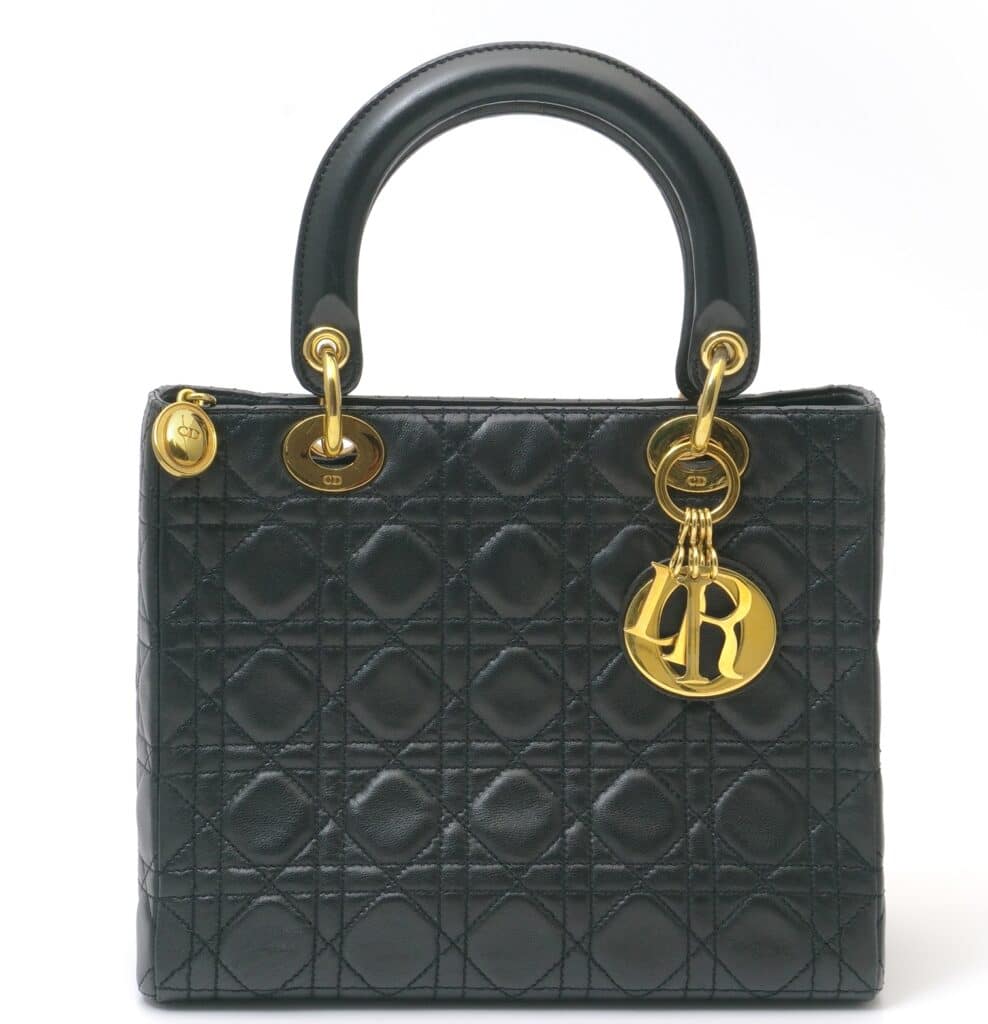
Lady Dior handbag, 1995, Gianfranco Ferrè, embossed leather, photo: Benedikt Feser, Knauf Museum, Iphofen