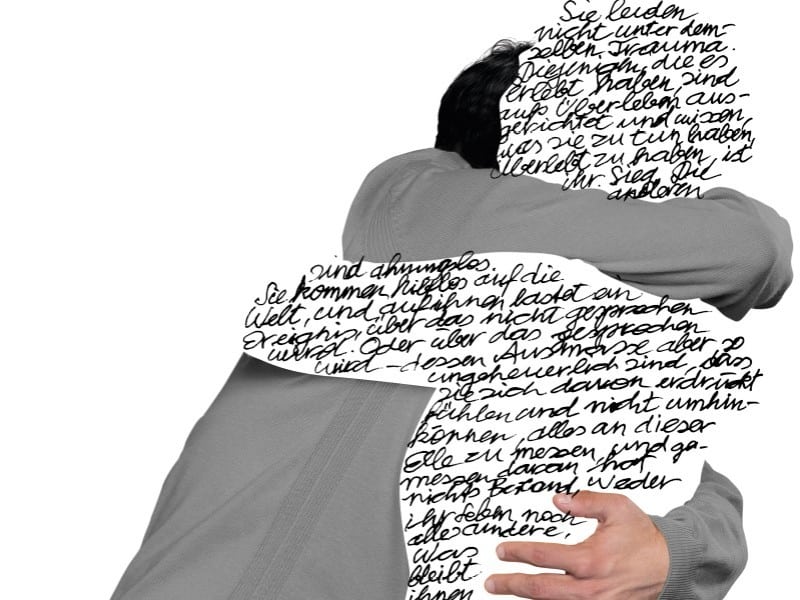
More than 80 years after the Shoah, we are now witnessing the death of the last witnesses. Their story, but also their trauma, has been passed on to the generations of their children and grandchildren. While the second generation grew up with the psychological and physical injuries of their parents, the third generation looks at the family history from a greater temporal distance. The awareness that their lives are based solely on the survival of others means that memory and silence, family myths and secrets, oppressive or missing family heritage are omnipresent.
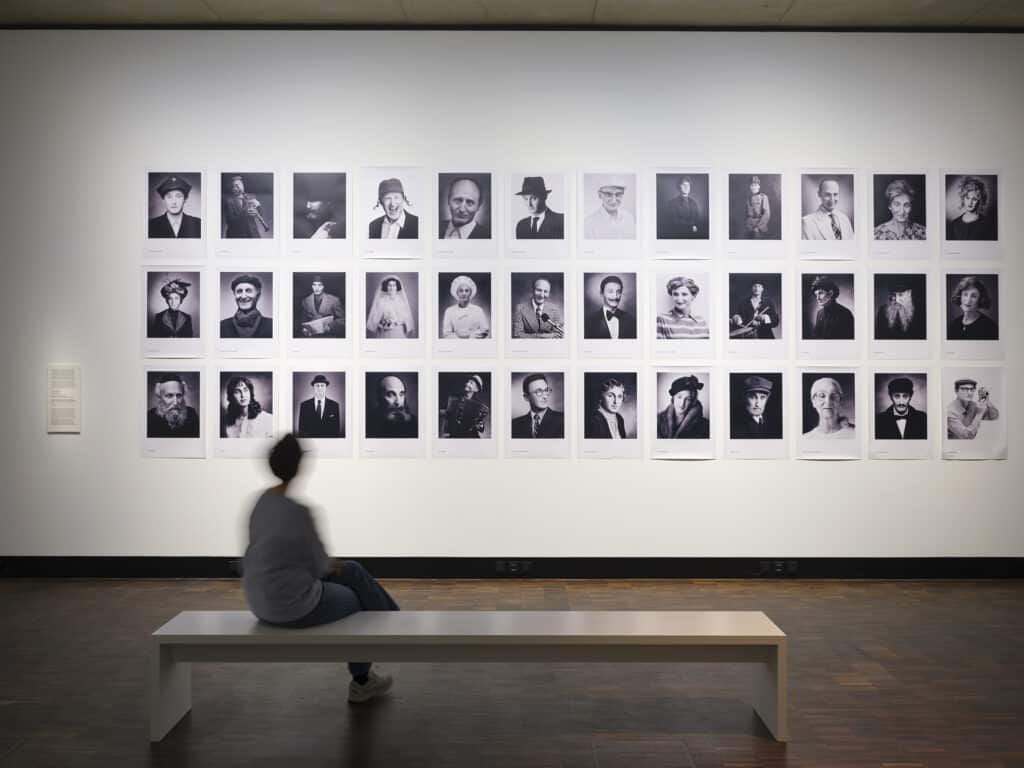
Exhibition view "The Third Generation", Hannah Bischof, Katja Petrowskaja © Eva Jünger / Jüdisches Museum München
Starting with an approach to what it can mean to belong to the third generation and the dimension of trauma in family memory, the exhibition explores various strategies for coping with and dealing with the legacy of the Holocaust. Based primarily on artistic works, it tells of archiving and no longer wanting to remain silent, of appropriation and dissociation, of consciously remembering and wanting to forget, of the omnipresence of the Shoah and the large gaps in family histories as well as the attempts to fill them. The artistic positions as well as the exhibited objects and archival material show how traumas are passed on from generation to generation. At the same time, they convey how the global rise of right-wing radicalism, terror and war can lead to re-traumatization on the one hand, but also to increased commitment to peace and human rights on the other.
April 9, 2025 to March 1, 2026
www.juedisches-museum-muenchen.de
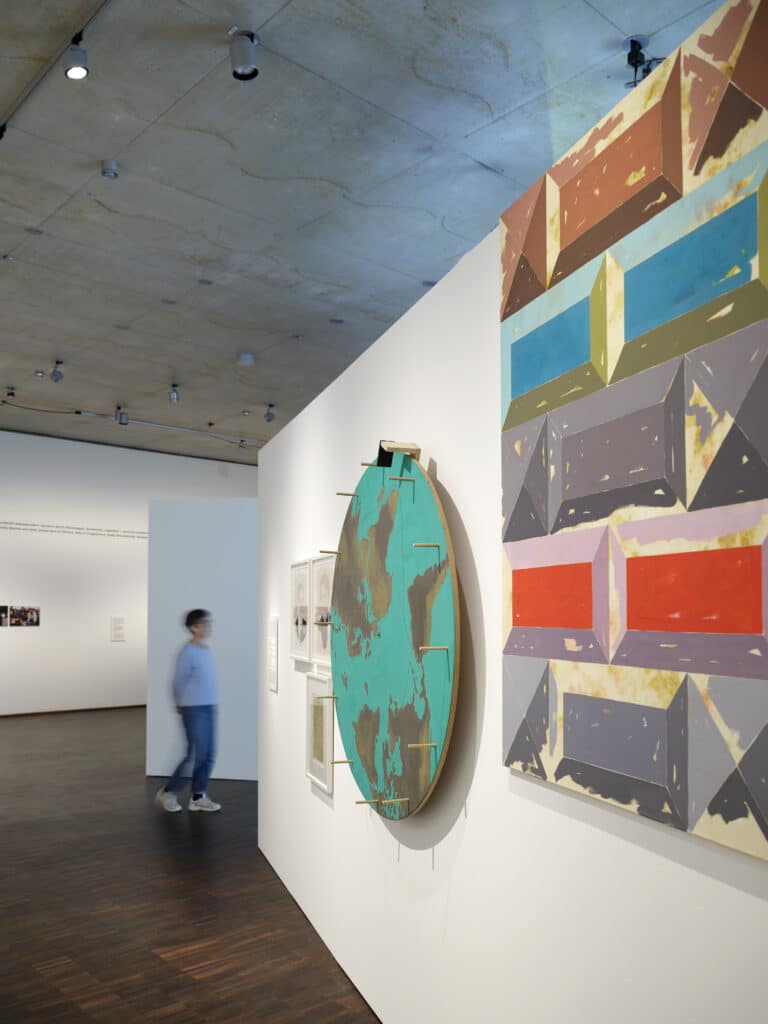
Exhibition view "The Third Generation", Hannah Bischof, Katja Petrowskaja © Eva Jünger / Jüdisches Museum München