When paintings travel, it is usually for curatorial reasons, but rarely for existential ones. The arrival of the masterpieces from Odesa in Heidelberg is therefore an extraordinary event - and a visible sign of how closely art and political fate are interwoven. The exhibition, which is now being presented at the Kurpfälzisches Museum after its stop at the Gemäldegalerie in Berlin, is more than just an art-historical encounter: it is an act of solidarity and a cultural promise in turbulent times.
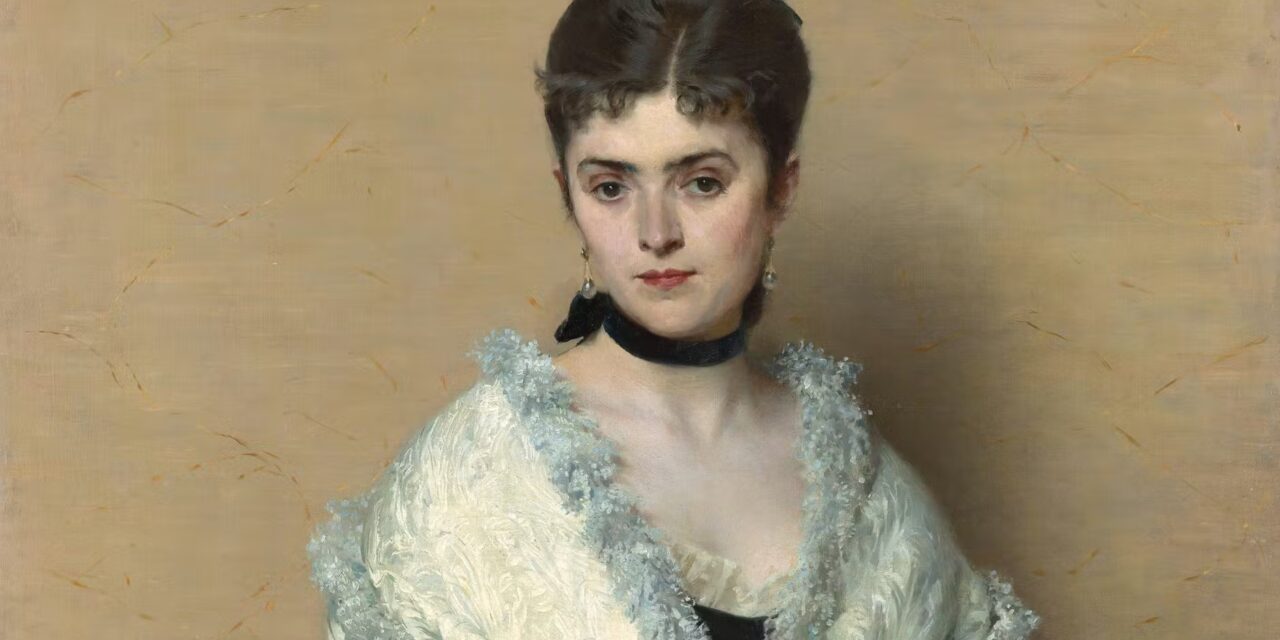
The twinning agreement between Odesa and Heidelberg in May 2025 gives the presentation a special resonance. While war dominates everyday life in the southern Ukrainian port city, its most important paintings find a temporary safe haven here - and an audience that can re-read their history. The exhibition includes important works of European painting from the 16th to the 19th century, including works by Roelant Savery, Cornelis de Heem and Alessandro Magnasco. In Heidelberg, they enter into a dialog with the museum's collection, opening up perspectives on art history and cultural policy at the same time.
Concrete pairs of works from both museums illustrate this connection particularly impressively. Around ten such juxtapositions show how closely interwoven the art-historical developments in Europe were: Still lifes that share the same fascination for materiality, mythological and biblical scenes that are told in similar ways across national borders, or portraits that reflect the social ideals of their time. Above all, however, it becomes clear how intensively artists explored color and light in the 19th century - an aesthetic language that continues to exist today as a common European form of expression.
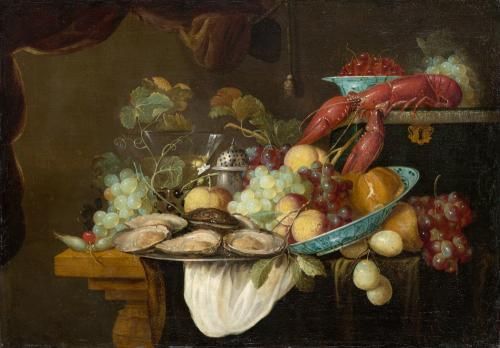
Still life with lobster, painting by Cornelis de Heem, 2nd half of the 17th century, property of the Odesa Museum of Western and Eastern Art; photo: Christoph Schmidt (GG Berlin)
Similarities become visible
The Odesa Museum of Western and Eastern Art, founded in 1923 and housed in a 19th century palace, is at the center of a dramatic rescue story. Just a few meters away from the partially destroyed Transfiguration Cathedral, the holdings had to be moved to safety shortly after the war began. Employees packed the most valuable works within a few days. It was not until 2023 that 74 paintings were riskily transported to Berlin, where they were examined, cleaned and reframed in close cooperation with Ukrainian restorers.
The fact that these paintings can now be shown in Heidelberg is not only a stroke of luck for art, but also a sign of Europe's cultural responsibility. The exhibition thus tells two stories: the story of a collection that has survived wars and systems - and the story of a continent that sees its art as a shared heritage.
October 19, 2925 to March 22, 2026
www.museum-heidelberg.de
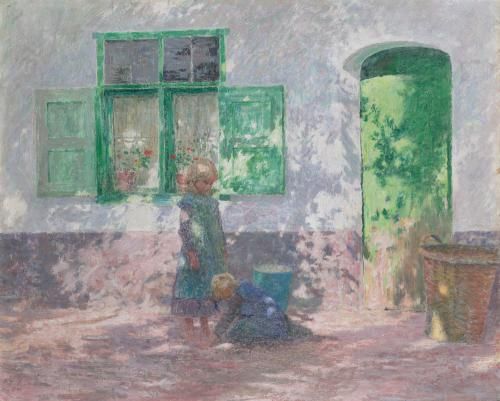
Sunny Day, painting by Emile Claus, 1895; property of the Odesa Museum of Western and Eastern Art / Photo: Christoph Schmidt (GG Berlin)