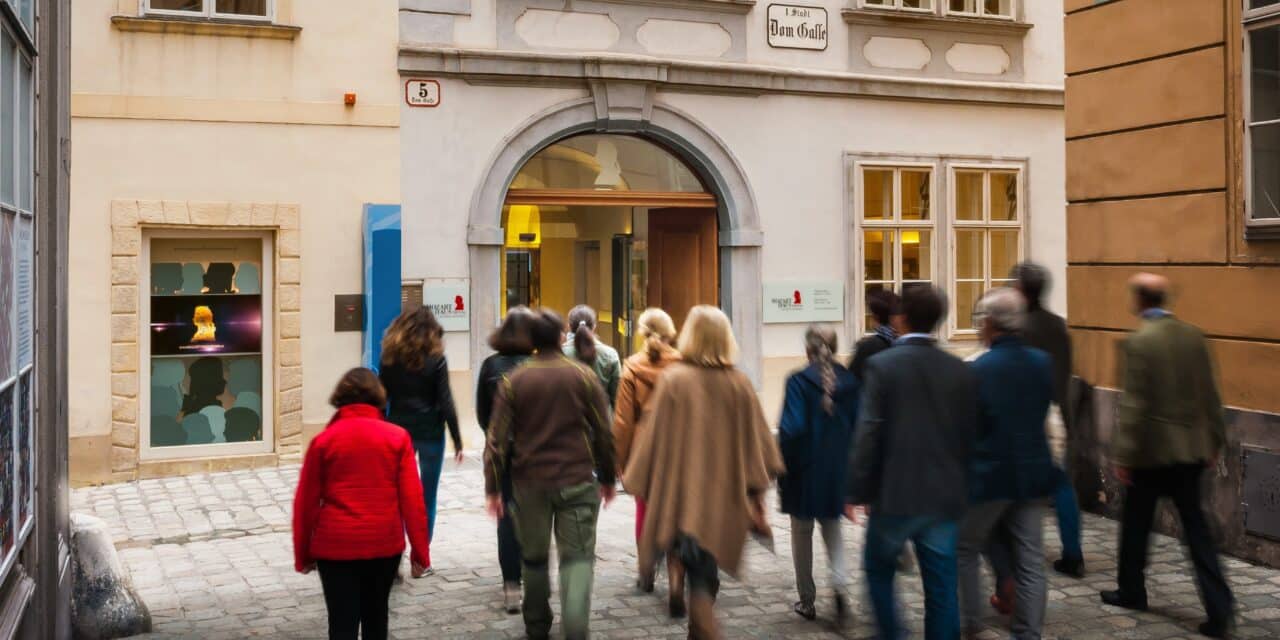
The Mozarthaus Vienna in the heart of downtown Vienna is one of the most important places of remembrance for Wolfgang Amadeus Mozart. Just a few steps away from St. Stephen's Cathedral, this historic 15th-century townhouse invites visitors to discover Mozart's life, his work, and his Viennese environment between 1781 and 1791. What makes it particularly valuable is the fact that it is the composer's only surviving apartment in Vienna – an authentic place of musical history and cultural memory.
The building that Mozart moved into in 1784 was already known in the 18th century as a prestigious city apartment. The previous owner, court plasterer Albert Camesina, had furnished the house with elaborately decorated rooms to showcase his craftsmanship. Even today, a room with magnificent wall and ceiling designs recalls this period and shows how closely art, craftsmanship, and bourgeois representation were linked in Viennese cultural history. Mozart himself paid a high annual rent for the spacious apartment by the standards of the time—a sign of his social and artistic success in Vienna.
The permanent exhibition at Mozarthaus Vienna is divided into three levels that shed light on Mozart's life, his music, and his private everyday life. The third floor showcases Mozart's social and cultural environment in Vienna. A multimedia installation shows his numerous places of residence during his years in Vienna and tells of his relationships with contemporaries, Freemasonry, and the social life of the city. Topics such as fashion, science, literature, and Viennese ball culture convey a vivid picture of the Enlightenment era in which Mozart lived.
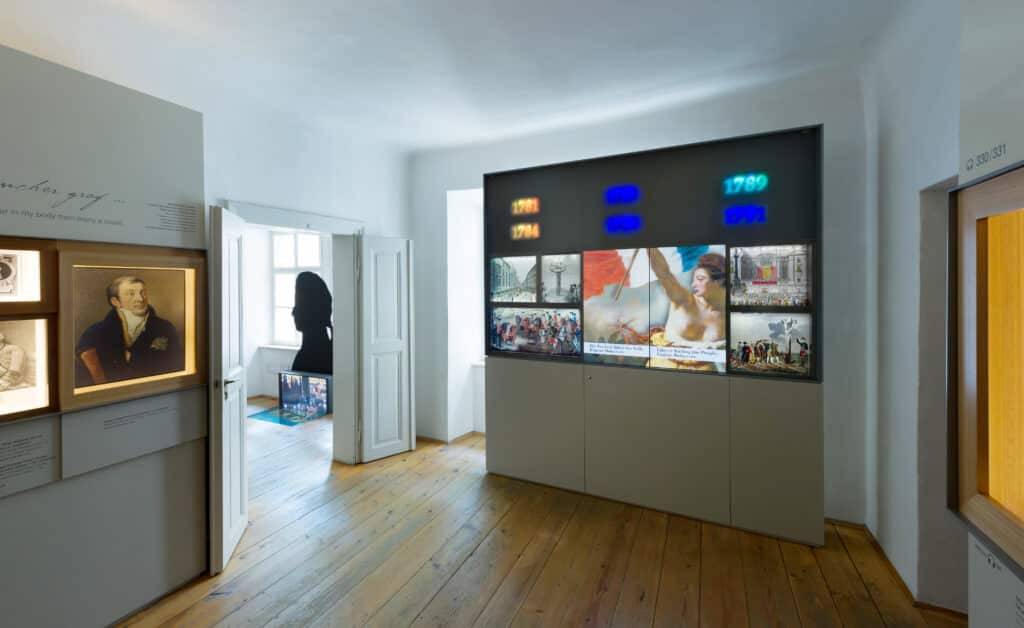
Mozart's Vienna on the 3rd floor © Mozarthaus Vienna
The second floor is dedicated to Mozart's musical universe. Here, the focus is on his collaboration with librettist Lorenzo Da Ponte and his great operatic successes such as Le Nozze di Figaro and Don Giovanni. Mozart's Requiem and the end of his life are also explored. Multimedia installations such as Die Zauberflöte – Das göttliche Lachen (The Magic Flute – The Divine Laughter) and Figaro Parallelo combine classical music with contemporary forms of staging and show the international impact of his works.
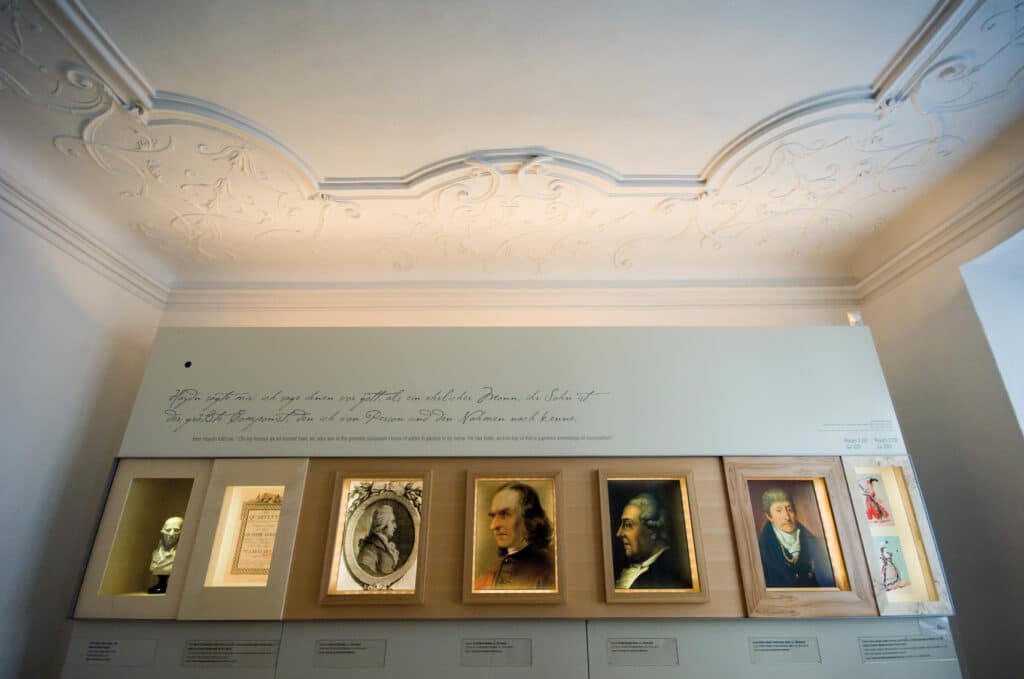
Mozart's music on the 2nd floor © Mozarthaus Vienna
The centerpiece is Mozart's original apartment on the first floor. Here Mozart composed numerous masterpieces, including his opera Le Nozze di Figaro and several of the famous "Haydn Quartets." The apartment, consisting of four rooms, two cabinets, and a kitchen, gives a direct impression of the composer's life in Vienna in the late 18th century. Particularly noteworthy is a historic flute clock, probably made around 1790, which plays a variation from Mozart's work for mechanical instruments.
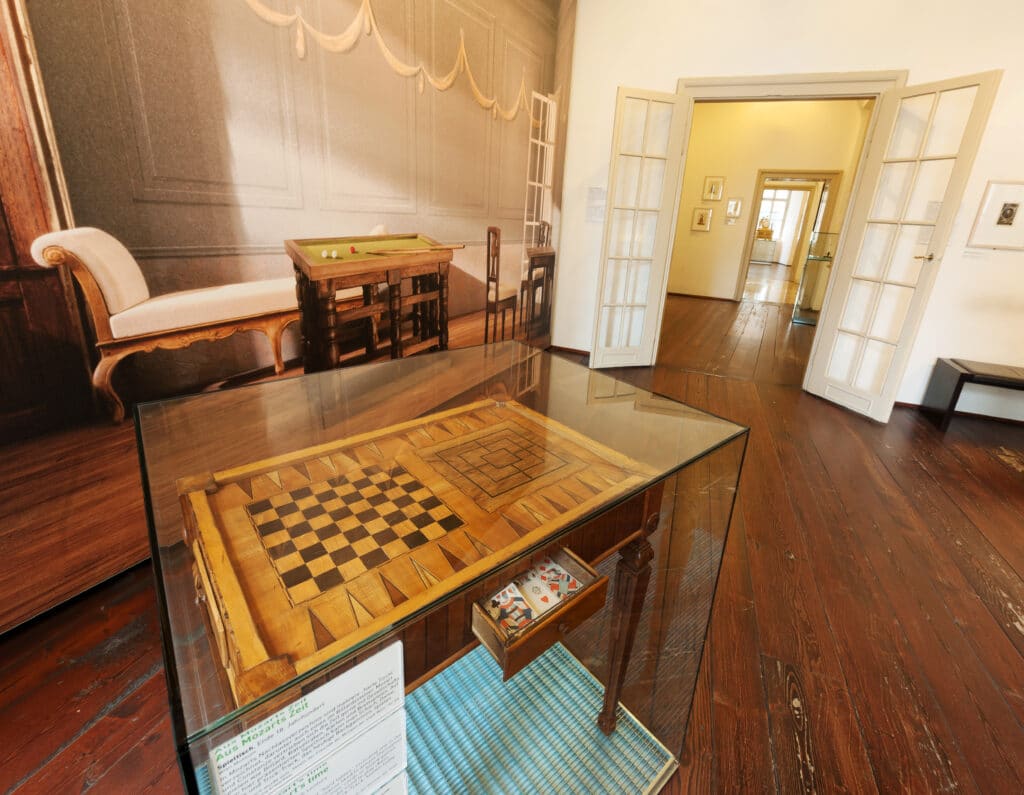
Mozart apartment on the 1st floor © Mozarthaus Vienna
The Mozarthaus Vienna combines historical authenticity with modern museum education. As a cultural experience space, it presents Mozart not only as a musical genius, but also as part of a dynamic European cultural history. Visitors can immerse themselves in the world of one of the greatest composers in music history—and experience the atmosphere of old Vienna at the same time.
www.mozarthausvienna.at