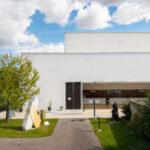
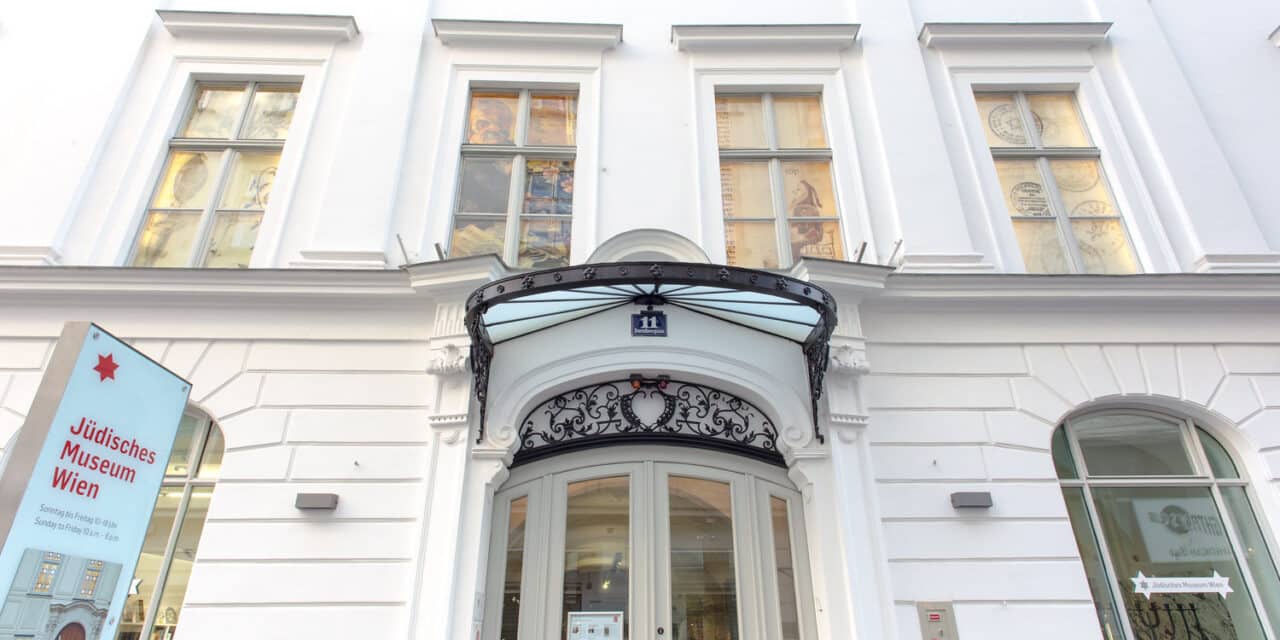
The Jewish Museum Vienna is much more than a place of historical documentation—it is a space for remembrance, art, and lively dialogue with the present. In two historic buildings in the heart of Vienna's city center, visitors can embark on a journey through more than 800 years of Jewish life, marked by cultural flourishing, loss, new beginnings, and constant social self-assertion. Here, history is not told as a static past, but as a multi-layered cultural memory that continues to have an impact on the present.
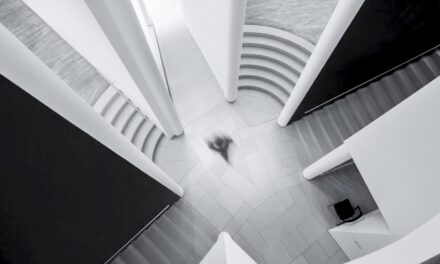
Even entering the Palais Eskeles on Dorotheergasse feels like crossing between different eras. A light installation by artist Brigitte Kowanz welcomes visitors with a play of reflection, transparency, and memory. The permanent exhibition Our City! Jewish Vienna to the Present Day then tells the story of Jewish life in Vienna in atmospherically designed rooms – from the difficult decades after 1945 to the re-emergence of the community and the complex identity issues of a globalized contemporary society. Migration, cultural self-assertion, and social change form the central narrative strands.
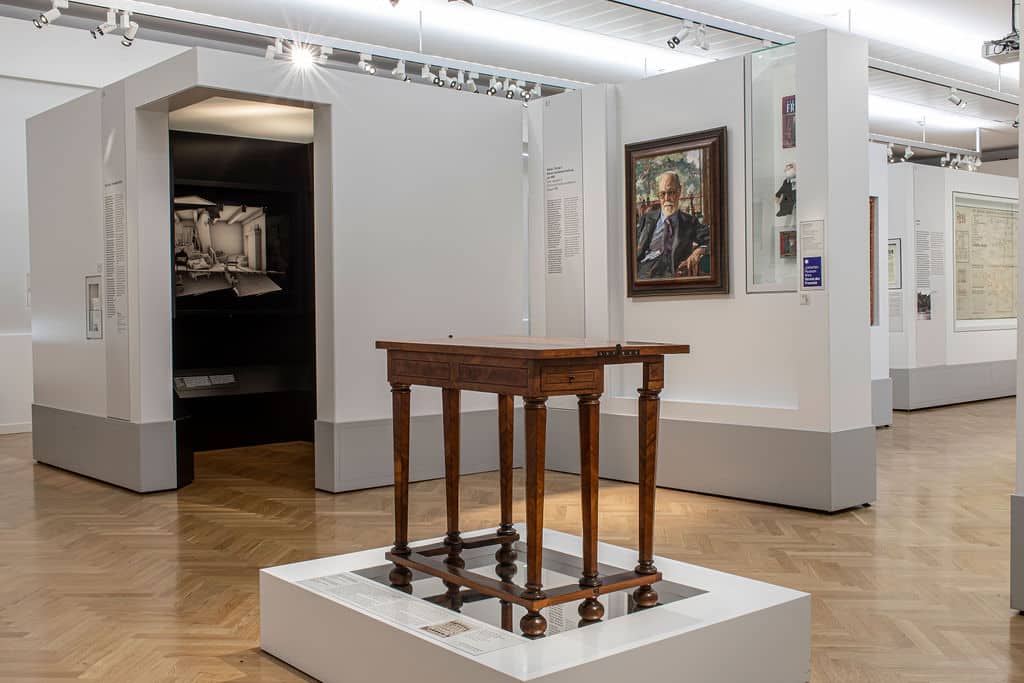
Permanent exhibition "Our City" © Ouriel Morgensztern
The tour then continues into the past: from the destruction of the Jewish community during the Nazi era back to the Middle Ages, when Vienna was already an important center of Jewish scholarship and culture. Modern technologies make these historical narratives particularly impressive. 3D animations bring Vienna's synagogues, destroyed in 1938, back to life virtually – a moment in which the past, architecture, and collective memory become emotionally tangible. The exhibition is complemented by the display depot, which showcases collections, collectors, and the fascinating biographies of individual objects.
One of the museum's particular strengths lies in its combination of history and contemporary art. Artists are regularly invited to offer new interpretations of historical themes. Installations such as The Shabbat Room draw on historical spatial concepts and translate them into a poetic, digital visual language. A destroyed space of memory is thus transformed into a new form of cultural remembrance – somewhere between nostalgia, history, and contemporary reflection.
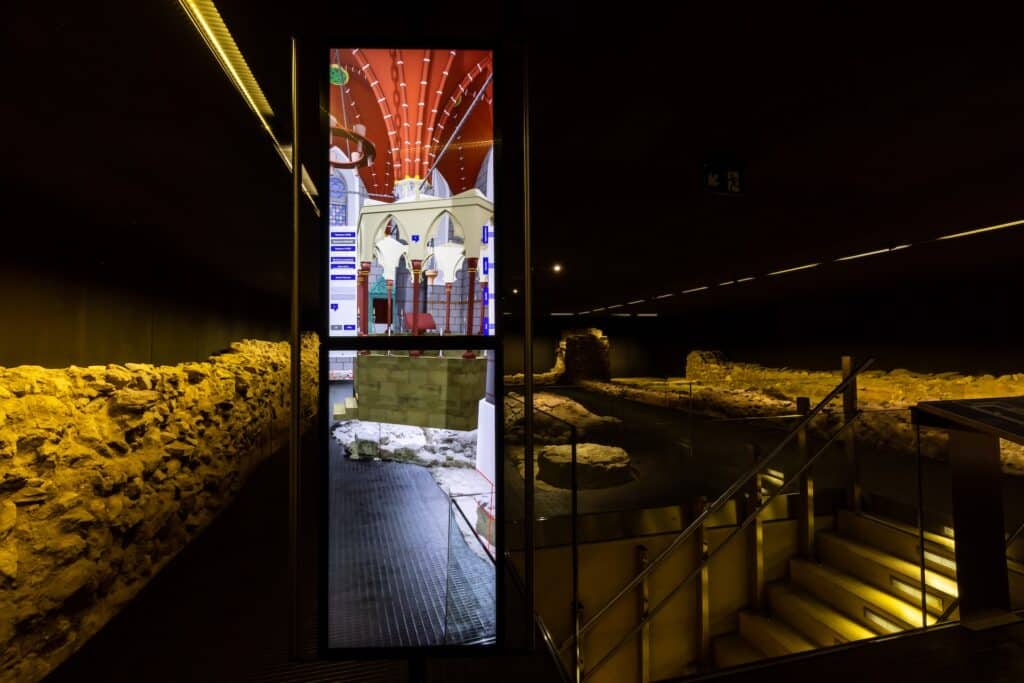
Permanent exhibition "Our Middle Ages" © Ouriel Morgensztern
A second central location is the Judenplatz Museum, which is dedicated to the medieval history of Vienna's first Jewish community. The focus here is on the archaeological remains of the synagogue, which was destroyed in 1421. Judenplatz itself thus becomes a place where several layers of history overlap: medieval culture, the tragedies of expulsion, and the culture of remembrance in the present day. The nearby Holocaust Memorial reinforces this historical depth and makes history tangible as a moral and social responsibility.
Today, the Jewish Museum Vienna sees itself as a cultural bridge between the past and the future. With its collection, which is one of the most important Judaica collections in the world, as well as international exhibition projects and educational programs, the museum creates spaces for exchange, reflection, and social discourse. Culture is not presented here as a closed legacy, but as a living narrative—full of voices, memories, and stories that continue to be written.
www.jmw.at
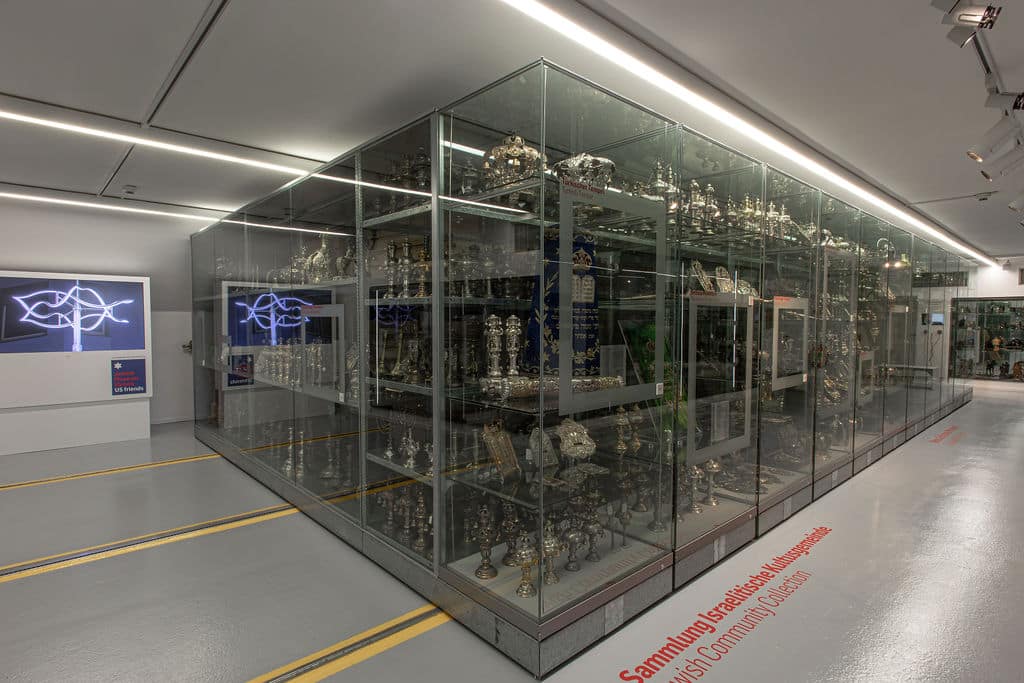
Displayed collection © Ouriel Morgensztern