How does it feel to spend your childhood in the midst of dictatorship, war and occupation? This question forms the starting point of the special exhibition "Children of War. Growing up between 1938 and 1955" at the House of History in the Museum of Lower Austria. Until 17 January 2027, visitors will have the opportunity to hear the voices of contemporary witnesses who grew up in an era in which everyday life was characterized by hardship, loss and fear - and at the same time by small moments of hope.
The time frame of the exhibition ranges from the last months of the Schuschnigg dictatorship to the "Anschluss" to National Socialist Germany in 1938, through the years of the Second World War to the Allied occupation, which only ended in 1955. The focus on the perspective of children is particularly impressive: How did they experience nights of bombing, hunger and flight? What was their everyday life like in destroyed cities or in the barren post-war period? And what was it like to feel something like recovery and normality for the first time in the 1950s?
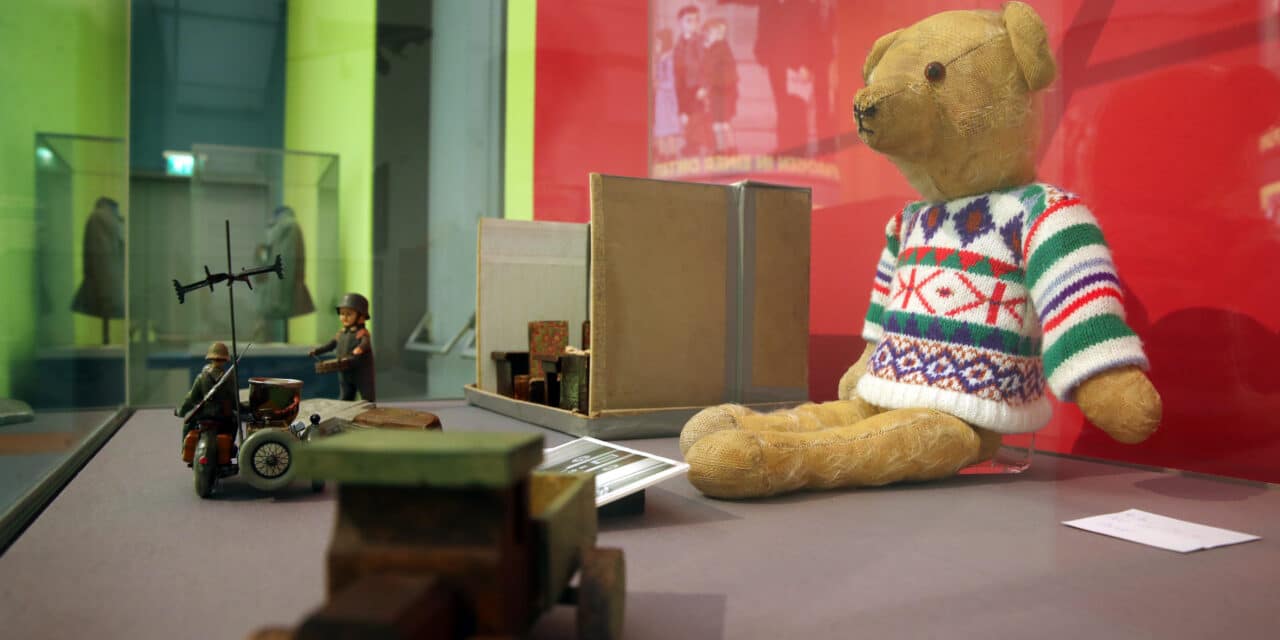
Exhibition view "Children of War" © NÖ Museum Betriebs GmbH, Weinfranz
The focus is on the memories of 24 people who were interviewed especially for the project - many of them are speaking publicly about their experiences for the first time. Their stories are accompanied by personal objects that paint a touching picture of that time: a tattered satchel, a hand-sewn coat, a photo album with traces of the war. They are small things, but they carry big stories.
"We want the exhibition to appeal not only to the generation of contemporary witnesses, but also to young people for whom the horrors of the Second World War are already far in the past," emphasizes Christian Rapp, Academic Director of the Haus der Geschichte. This is precisely where the special relevance lies: Growing up during the war is not an abstract historical figure, but a human fate that continues to have an impact today.
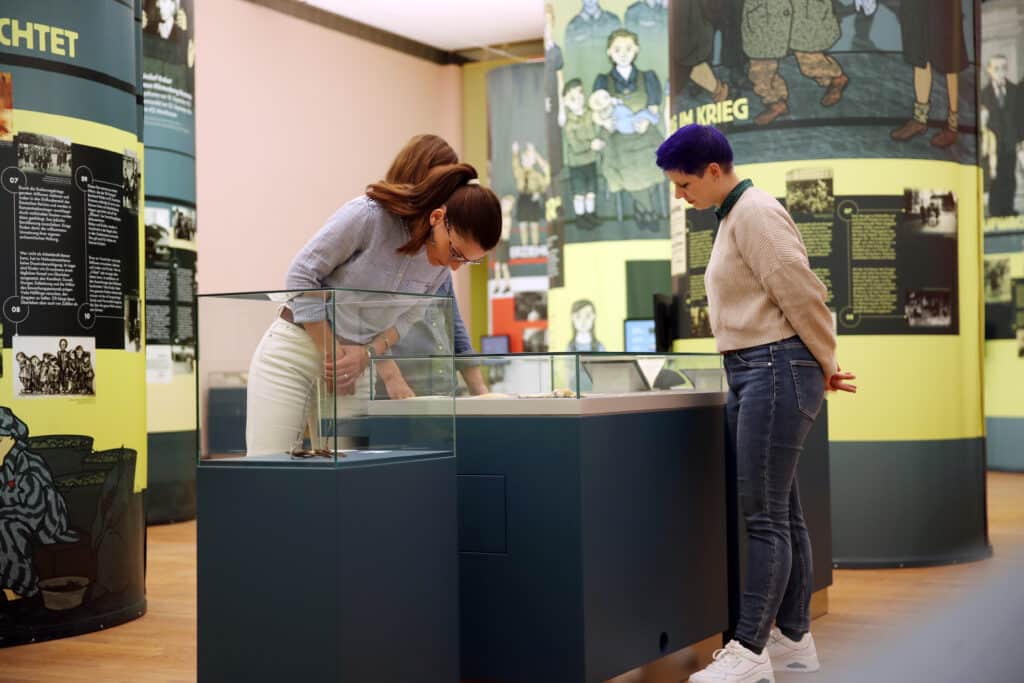
The exhibition was developed together with the Ludwig Boltzmann Institute for Research on the Consequences of War. Its director, Barbara Stelzl-Marx, emphasizes how powerful the combination of personal memories, original objects and multimedia installations is. Visitors experience history not as rigid facts, but as moving life stories.
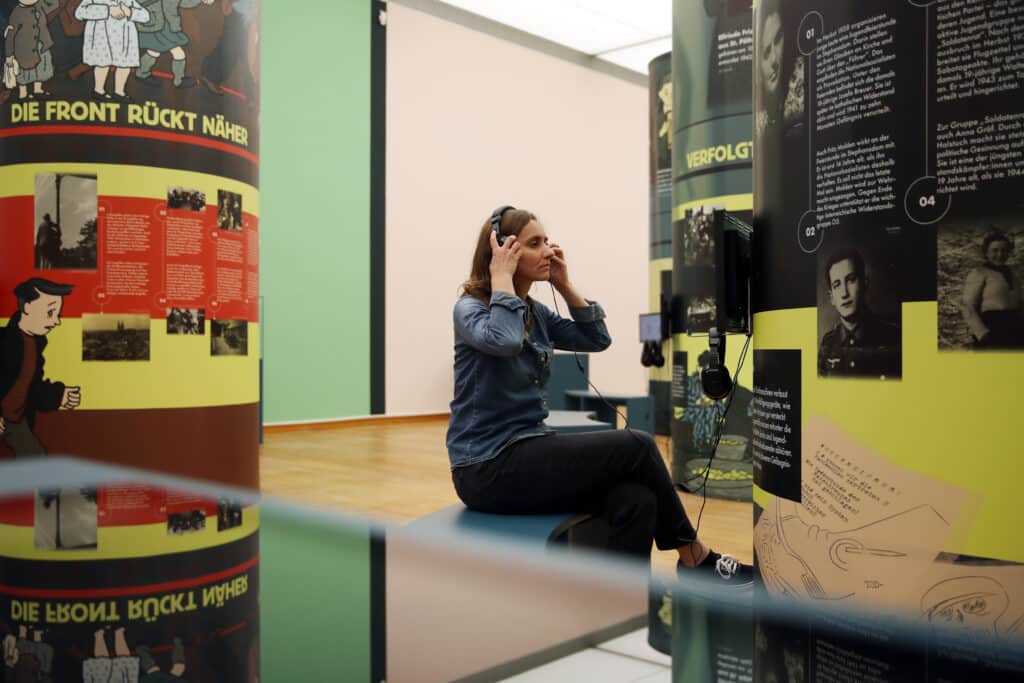
Exhibition view "Children of War" © NÖ Museum Betriebs GmbH, Weinfranz
An impressive counterpart is the digital photo exhibition KZ überlebt in the museum cinema. The black and white portraits by photographer Stefan Hanke show survivors of Nazi concentration and extermination camps - faces that tell of unimaginable suffering and at the same time of dignity and resilience.
In this way, Children of War links individual biographies with great historical lines. The exhibition is an appeal to preserve the voices of the past - and to make them audible today.
April 6, 2025 to January 17, 2027
www.museumnoe.at