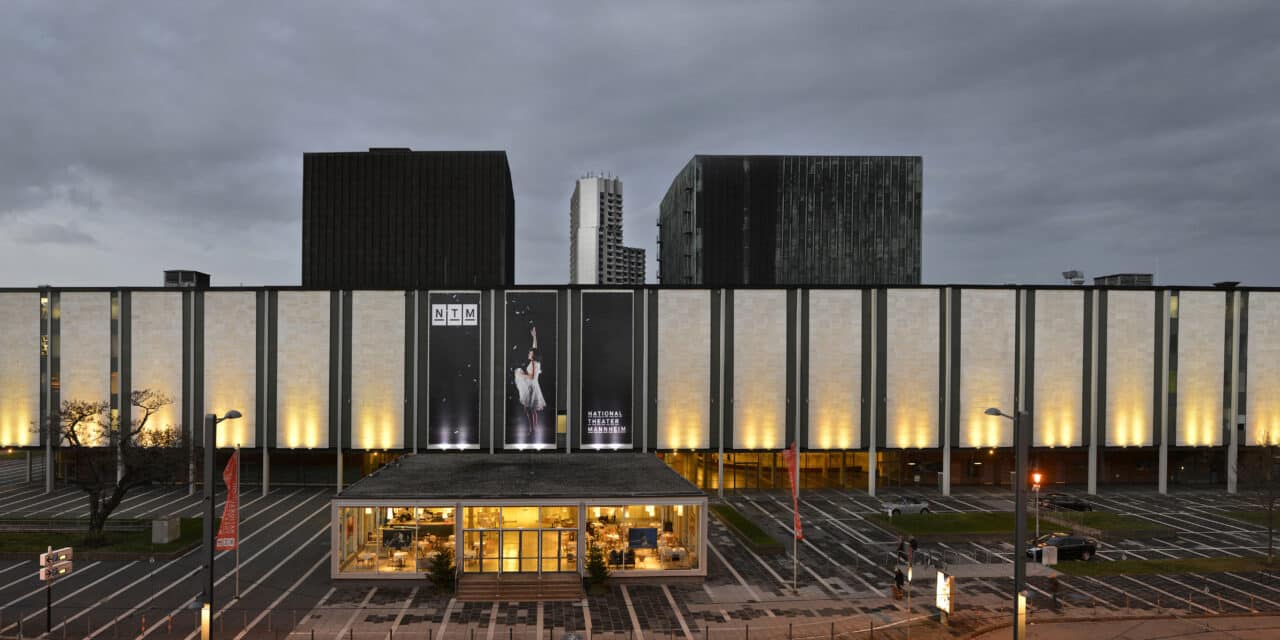
The call for freedom and hope resounds with particular force in Giuseppe Verdi's opera "Nabucco." The Nationaltheater Mannheim is staging the work, which tells of power, faith, and the fate of a people caught between war and oppression.
Giuseppe Verdi made his breakthrough as an opera composer in 1842 with Nabucco. The work was written during a period of personal crisis: following the failure of his second opera and the early death of his wife and two children, Verdi had actually decided never to write another opera. It was only Temistocle Solera's libretto that convinced him to venture into composition once again. Success was not long in coming – soon the whole of Milan was humming the famous prisoners' chorus "Va, pensiero."
The opera centers on the conflict between the Babylonians and the Hebrews, which reveals not only political tensions but also personal destinies. While the Hebrew people are led into captivity and dream of freedom, a dramatic family drama unfolds around the Babylonian king Nabucco and his daughters. Claims to power, loyalty, and religious convictions clash in a bitter conflict.
Verdi's music takes us through a wide range of human emotions – from hope and longing to anger, despair, and redemption. The famous chorus of the prisoners has become a symbol of the desire for freedom and self-determination beyond the opera itself.
In Christian von Götz's production, the Nationaltheater Mannheim focuses particularly on individual fates. Against the backdrop of historical upheavals, a visually powerful anti-war opera emerges, which also relates the work to the lost world of Yiddish culture in Eastern Europe, thus opening up new perspectives on Verdi's classic.
Premiere April 25
Further performances: April 28, May 7, 9, 14, 20, 23, and 31, 2026