
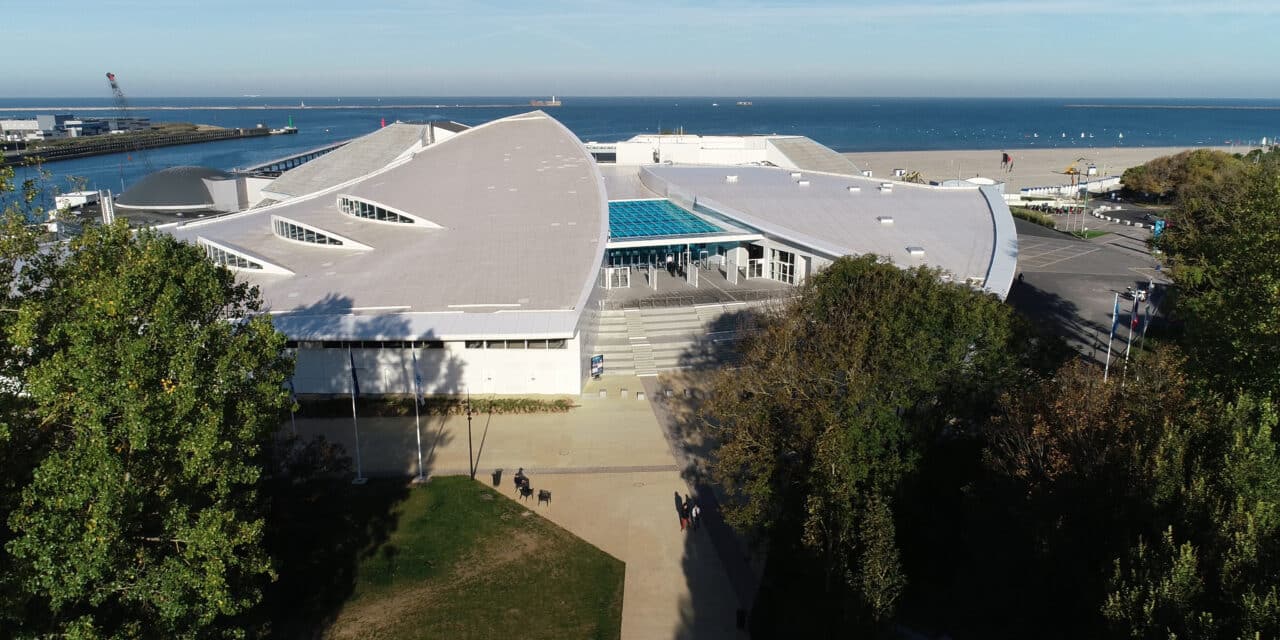
With an aquarium size of over 17,000,000 liters, Nausicaá is the most important center in Europe dedicated to the discovery and awareness of the protection of the underwater world. Young and old adventurers alike will discover two different tours: "Journeys to the high seas" (with a 10,000-liter tank) and "Coast and people" - an unforgettable experience! Europe's largest aquarium opens a new permanent exhibition about the deep sea. This year, Nausicaá will take you on a journey of discovery into an unknown, fascinating and endangered world, the world of the deep sea.
Conservation and protection of the deep sea is a more topical issue than ever. Now, in partnership with Ifremer (French National Institute of Marine Science and Technology), Nausicaá has opened "Destination Abysses", a new permanent exhibition dedicated to the discovery of this fascinating, unrecognized and yet so important world for humanity.
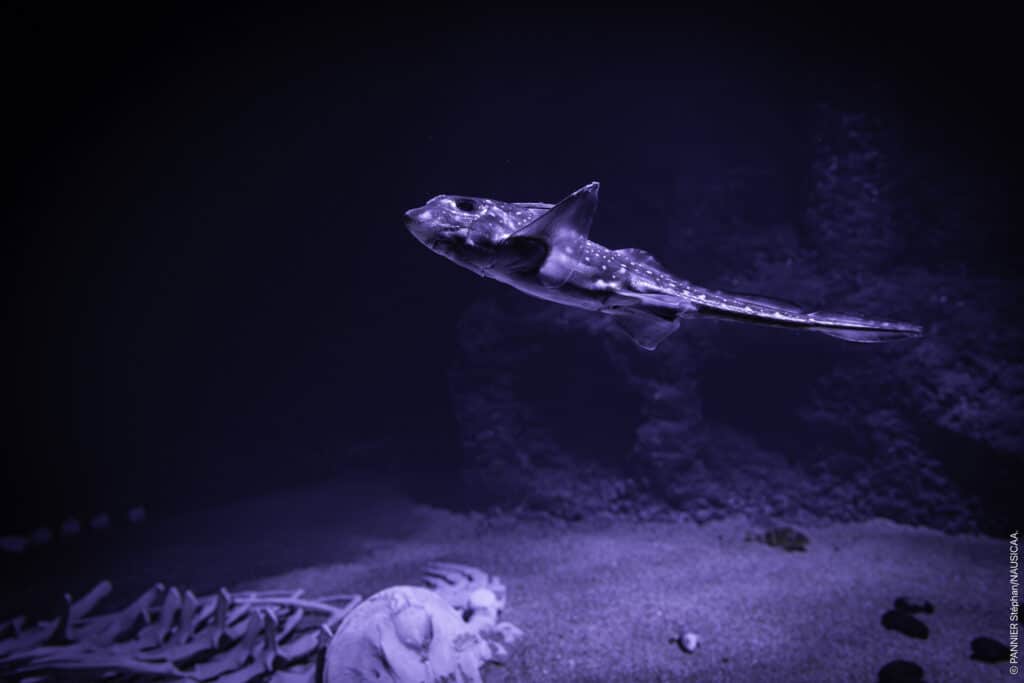
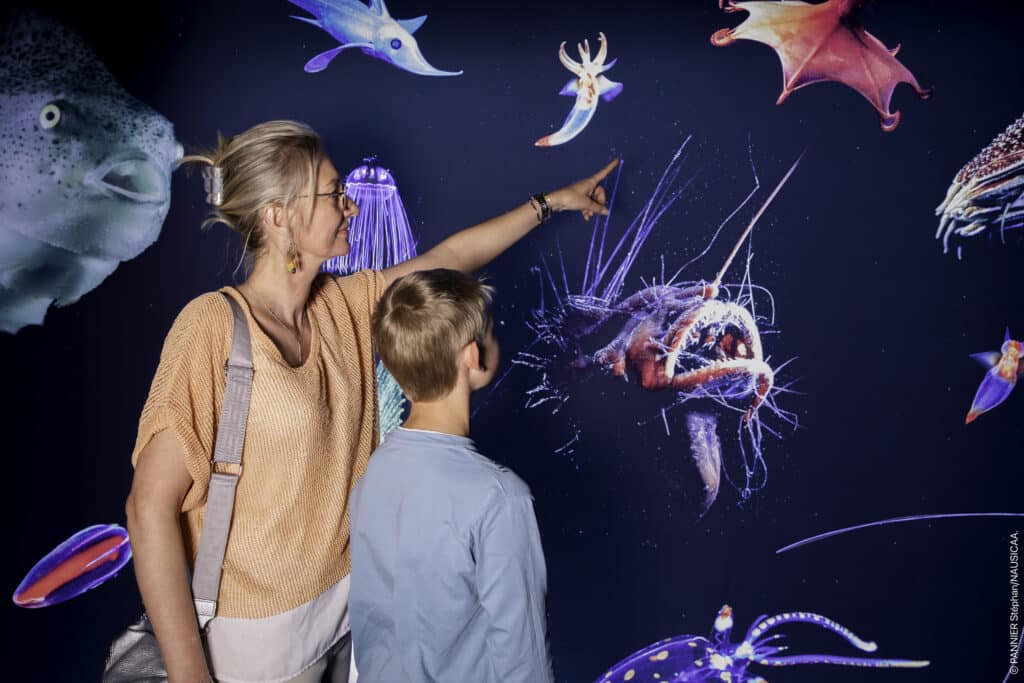
In the new area, visitors can discover 180 square meters of exhibition space, 3 aquariums and 6 new animal species from the deep sea. Right at the beginning of the exhibition, visitors are immersed in a completely unique, unknown and mysterious world. The deep sea is like another planet. There are underwater volcanoes, mountains and plains of the deep sea, hydrothermal springs and strange animals that glow in the dark.
© Nausicaá
- The giant bathynome, a carnivorous giant isopod found in Southeast Asia at depths of 300 to 2300 meters.
- Anglerfish live between 20 and 1,000 meters. With its huge, flattened head, this feared hunter is able to stretch its jaws and camouflage itself to catch its prey.
- The Japanese giant spider crab is the largest crab in the world. With its legs spread out, it can reach a wingspan of over 3.5 meters. It lives in Japanese and Taiwanese waters and can be found at depths of 50 to 400 meters.
- The boarfish lives between 40 and 700 meters deep. It owes its name to its snout, which looks like a "pig's nose". Its scales are covered with small spines that make them rough.
- The common snipefish owes its name to its long snout. It can be found between 100 and 250 meters. This crustacean lover spends much of its time upside down in search of food, which it sucks in with its tubular mouth.
© Nausicaá
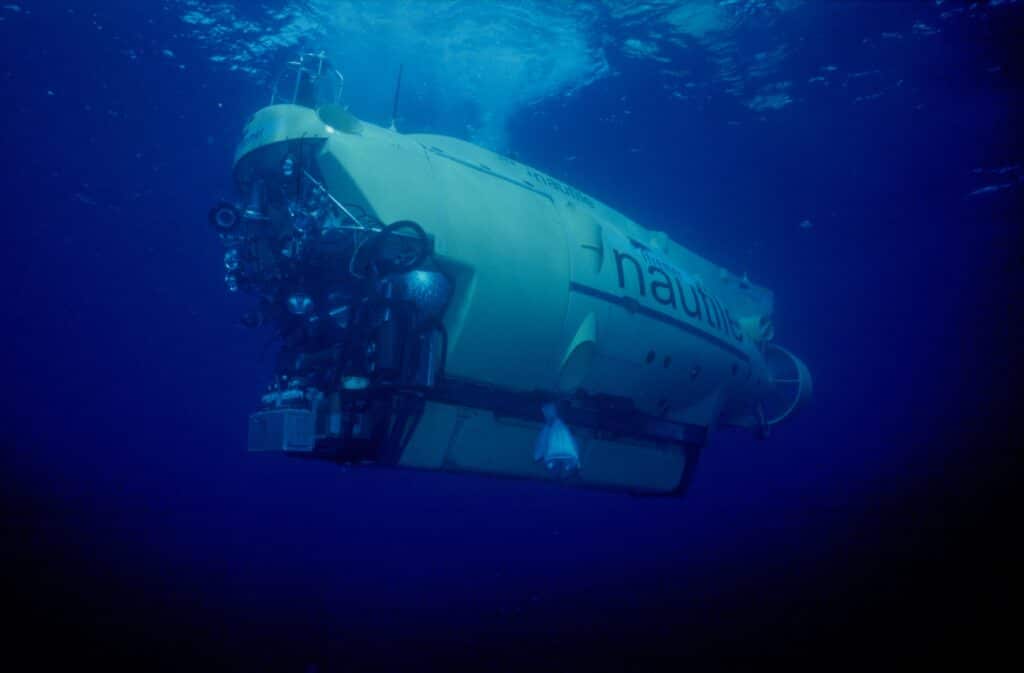
Using the 3D model provided by Ifremer, visitors can discover the Capelinhos hydrothermal structure. This unique and fascinating ecosystem is located north of the Mid-Atlantic Ridge at a depth of 1700 m and is home to an oasis of life at great depths. Visitors can also learn more about the adventure of deep-sea exploration and the development of equipment and technology from 1872 to the present day through a large, almost 12-metre-long mural.
The protection of the deep sea is of vital importance to mankind. It is the deepest part of the ocean, located at a depth of 1000 meters or more, and accounts for 75% of the oceans' volume. Nevertheless, the seabed is less well known than the surface of the moon: only a quarter of its area has been mapped. The deep sea is not only home to a great diversity of species (around 300,000 species and millions yet to be discovered), but also regulates the climate and mitigates global warming by storing enormous amounts of carbon and absorbing heat. They also harbor deposits of rare metals such as copper, nickel, cobalt and manganese.
Nautile E Lacoupelle © Ifremer
With this new exhibition, Nausicaá: wants to share scientific knowledge about the functioning of deep-sea ecosystems and the role they can play in the functioning of the global ocean. Make as many people as possible aware of the beauty, diversity and fragility of the deep sea. Encourage commitment to the protection of these marine ecosystems through knowledge transfer
from June 7, 2024, daily
www.nausicaa.fr/de