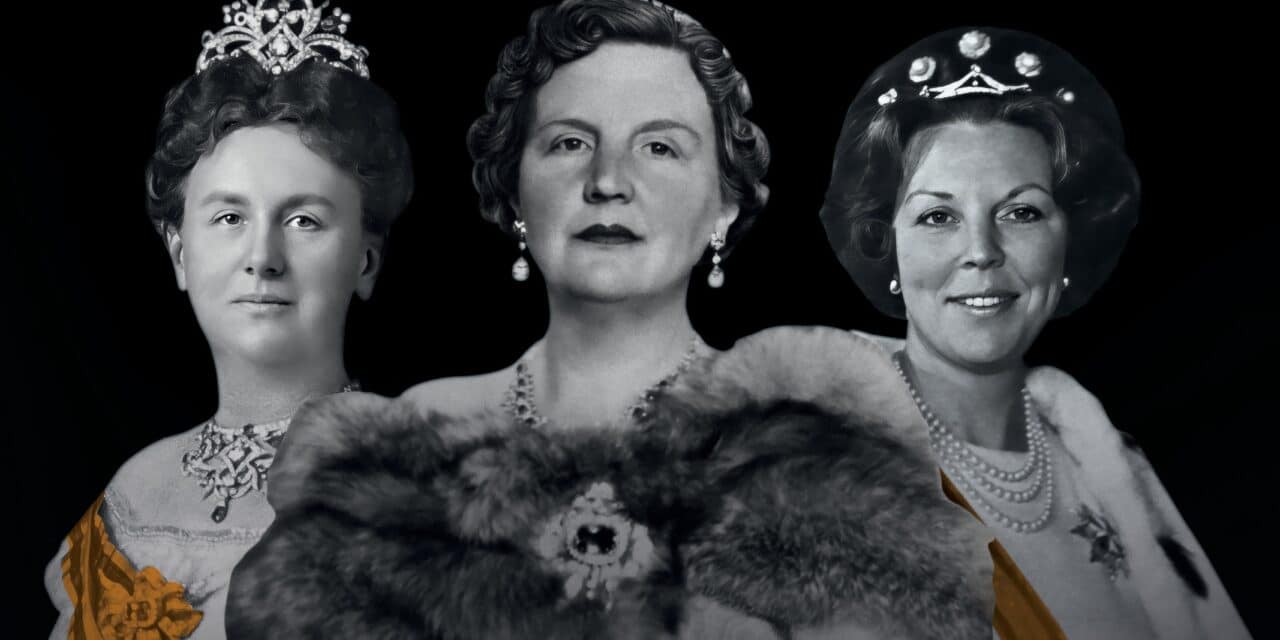
The 20th century was the year of the queens in the Netherlands: Women sat on the throne for the entire 100 years. First Wilhelmina until 1948, then Juliana until 1980 and Beatrix for the rest. Paleis Het Loo looks back on this era with the new exhibition "Counterplay - The Century of Female Royalty". While neighboring Germany experienced four, and in the East even five different political systems, the Dutch monarchs ensured a high degree of stability.
Three queens, three paths through a century
The exhibition tells the story of the reigns and personal challenges of these three queens against a backdrop of profound social upheaval and a changing public gaze. "Counterplay" raises questions about identity, female power and political symbolism - and shows how Wilhelmina, Juliana and Beatrix each navigated in their own way between expectations, self-image and the zeitgeist. The combination of historical contexts with current discourses makes the show a multi-layered and contemporary space for reflection on gender roles, public authority and change.
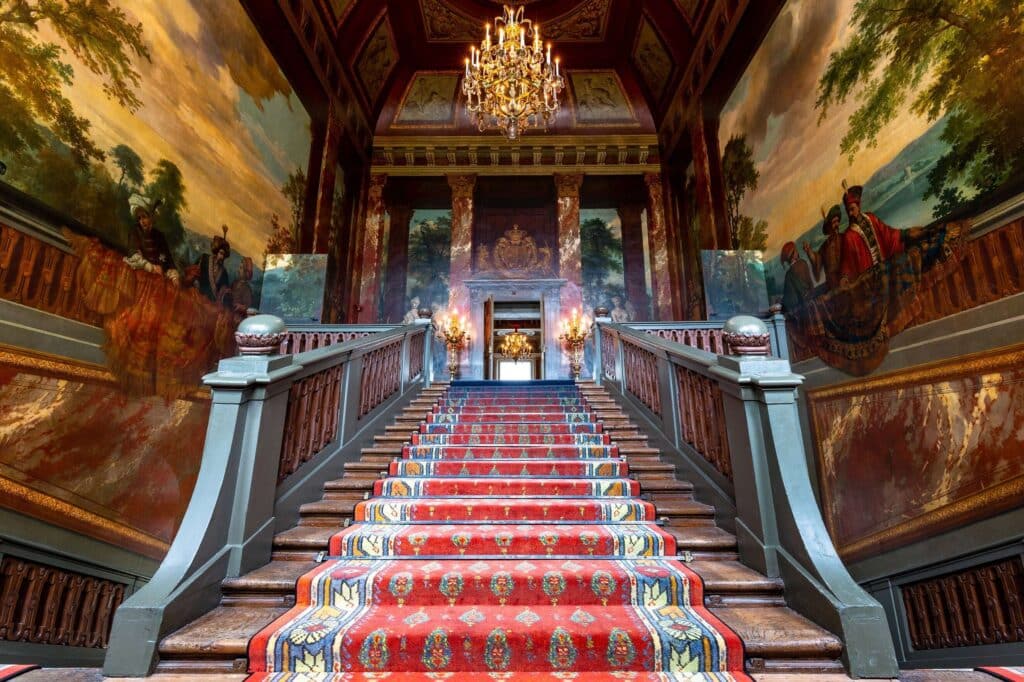
Paleis Het Loo © Paleis Het Loo
German-Dutch entanglements as reflected in the monarchy
The reigns of Wilhelmina, Juliana and Beatrix resemble a masterclass in female leadership - also in view of their close family and historical ties to Germany. Wilhelmina, daughter of the German Princess Emma zu Waldeck und Pyrmont, developed into a determined leader with an unmistakable Prussian sense of duty - and a clear stance towards National Socialist Germany. Juliana, who came of age in a time of openness and uncertainty, was the first member of the House of Orange to study at university and played a key role in exile during the Second World War. Finally, Beatrix, who married Claus von Amsberg, a German diplomat, and thus became a symbol of reconciliation, led the monarchy into the present with astute tact. "Gegenspiel" sheds light on how these three women - in the midst of closeness and distance to their German neighbors - broke new ground, shaped the public sphere and reinterpreted gender roles.
Staging, identity and power
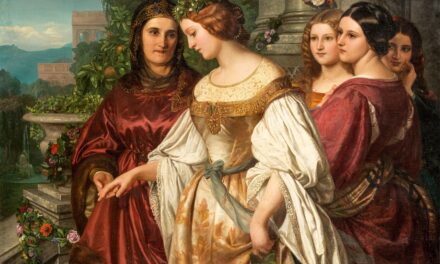
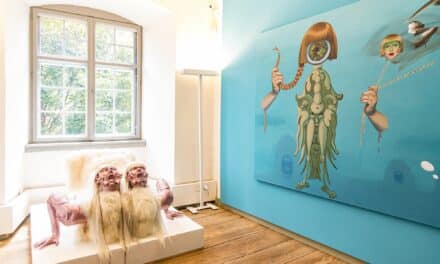
At the heart of the exhibition is the question of how power presents itself - and how it is perceived. "Counterplay" shows how Wilhelmina, Juliana and Beatrix dealt with media attention, claimed sovereignty of interpretation over their public image and thus also reshaped the rules of the monarchy. The exhibition focuses on images, gestures and symbols - on the interplay between staging and reality, female strength and social expectation. In doing so, it becomes clear how much the changing gender relations are reflected in the portrayals of the queens - and how they helped to shape them.
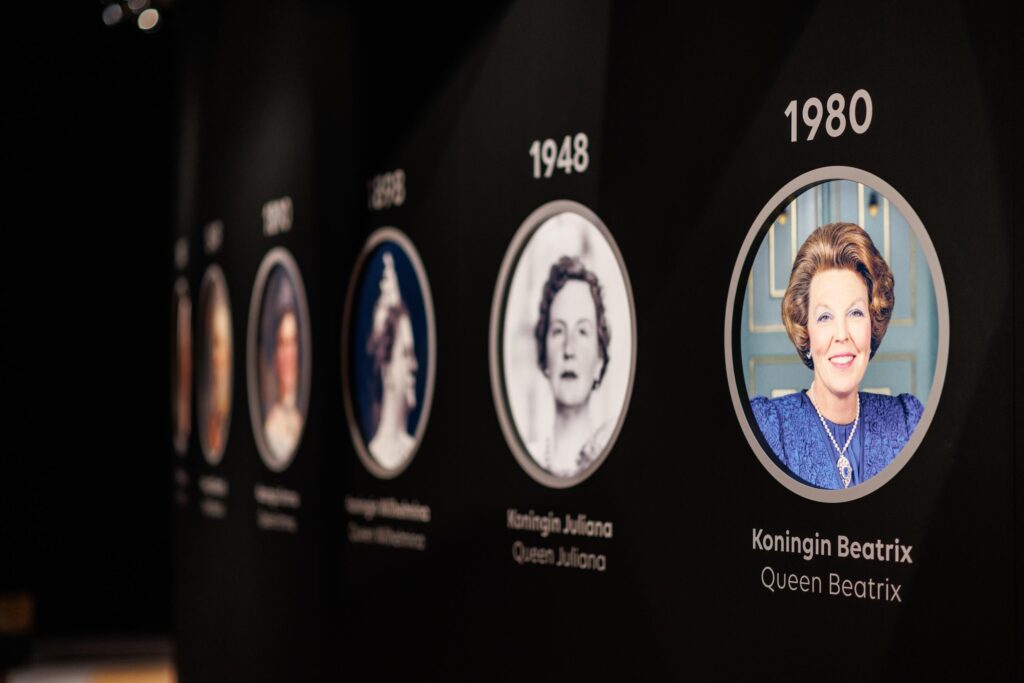
Counterplay" exhibition, photo: Paleis Het Loo
An anniversary that points to the present
The year 2025 marks the fiftieth anniversary of the proclamation of the International Year of Women by the United Nations - an anniversary that Paleis Het Loo is taking as an opportunity to look back on female royalty in the 20th century. At the same time, the exhibition builds a bridge to the present: with the commemoration of 80 years of freedom, the Second World War - as a common historical anchor point for Europe - forms a central moment within the show. Paleis Het Loo invites visitors not only to experience history, but also to reflect on their own role in the development of gender relations, public responsibility and power - inspired by three lives that have had a decisive influence on the way the Netherlands sees itself today.
April 18 to August 31, 2025
The national Paleis Het Loo
Paleis Het Loo is the largest palace of the House of Orange-Nassau that has been preserved in the style of the 17th century. Since 1984, the public has been able to see how the Oranges lived, worked and enjoyed the gardens, the palace and nature. It is a place with a special history. Paleis Het Loo is a national museum. The museum provides a platform for exhibitions that place the Dutch royal family in a historical and contemporary context
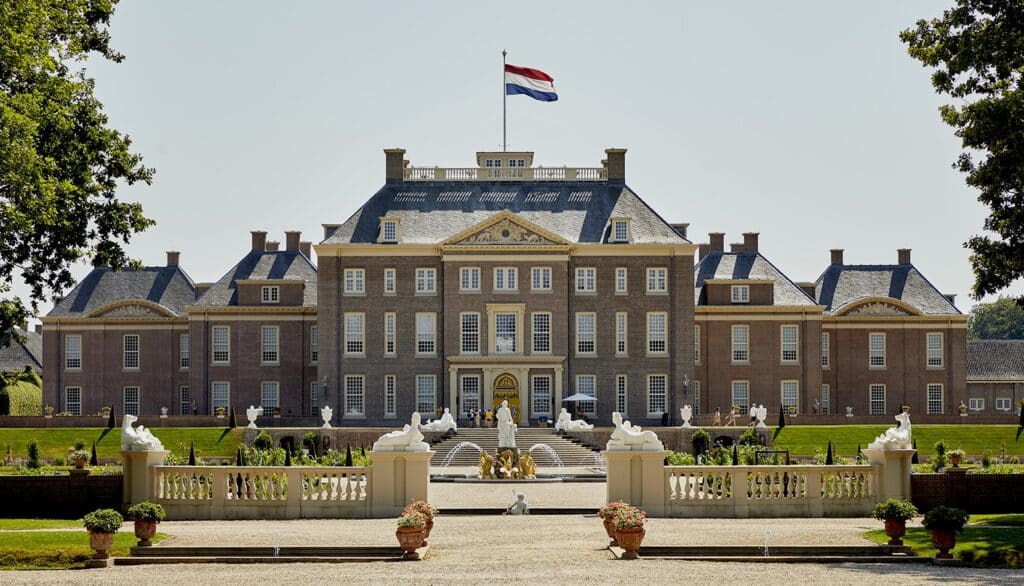
Paleis Het Loo © Paleis Het Loo