While the Salzburg Museum Neue Residenz is being extensively renovated and expanded, its program has been on "guest performance" since March 2024: Under the title "Salzburg Museum - Guest Performance", the museum presents selected objects from its collections at various locations in the city and province of Salzburg. This extraordinary initiative enables visitors to experience art, history and culture in new contexts and discover previously hidden perspectives. Numerous galleries, art associations and museums have agreed to support these guest performances - proof of the close networking of Salzburg's cultural institutions and the special appeal of the museum.
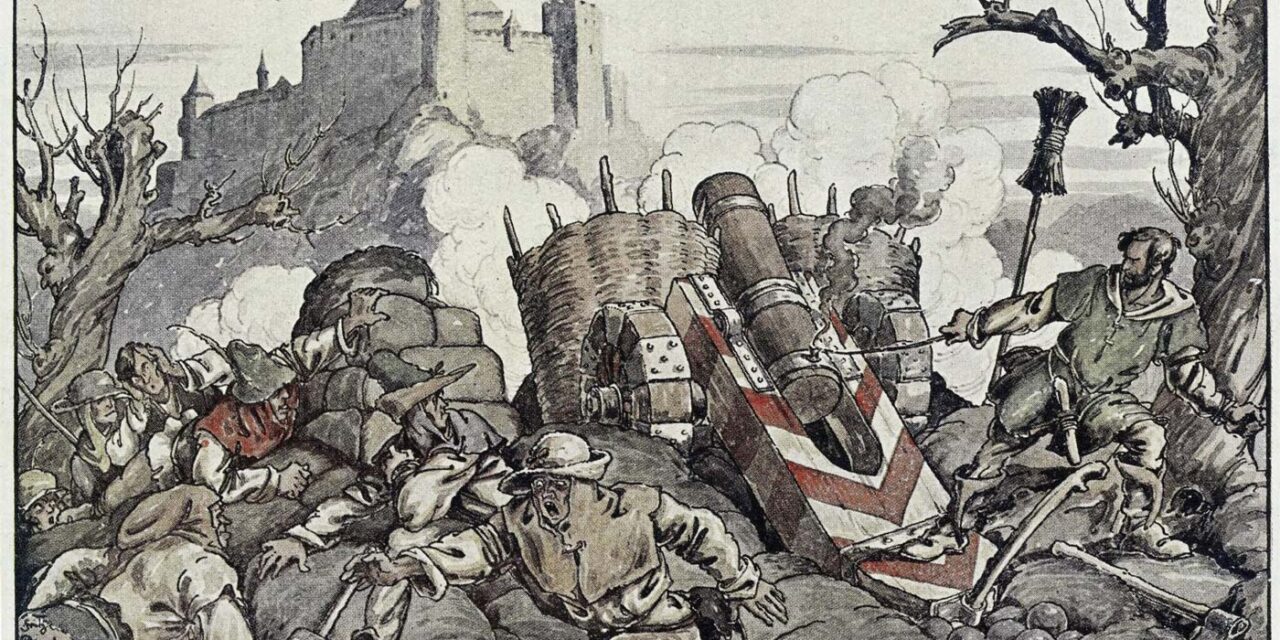
A highlight of this guest performance program is the exhibition in the DomQuartier Salzburg: "The Peasants' War as reflected in art and dictatorship". The show is dedicated to the question of how the Peasants' War, which saw the lower classes in Central Europe rise up against the nobility and clergy in 1524-1526, was interpreted in the art and literature of later eras - and how authoritarian regimes of the 20th century instrumentalized the uprising for their own propaganda.
The Salzburg Peasants' War of 1525 not only affected the prince-archbishopric, but also became an important symbol of resistance against oppression and social injustice. Hundreds of thousands of peasants, craftsmen, miners and townspeople fought for traditional rights, religious freedoms and a fairer distribution of resources. Many uprisings were bloodily crushed, but the legacy of rebellion remained alive - a myth that inspired artists for centuries.
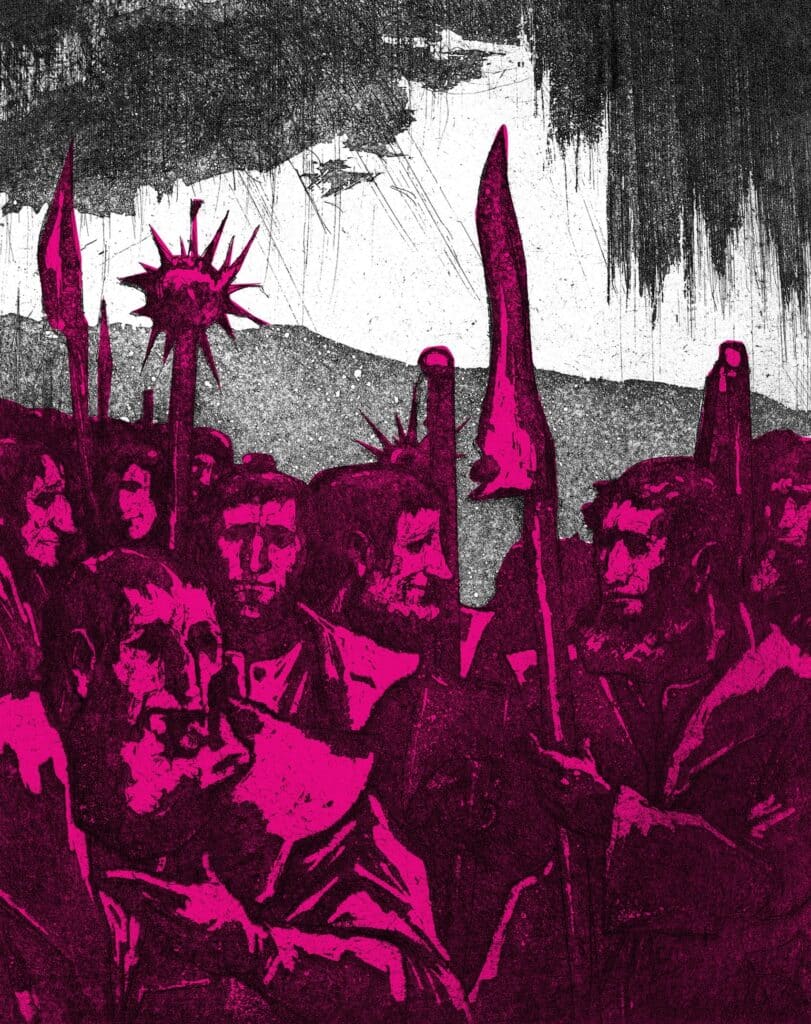
Aloys Wach (1892-1940), Peasants' War 1626, sheet I (Assembly of the Peasants), 1924, etching
The exhibition in the DomQuartier impressively shows how artistic interpretations of the Peasants' War have changed: from historical depictions of the uprisings to romantic glorifications and politically instrumentalized images under totalitarian regimes. The works shed light on how art can function as a mirror of social tensions, as a critical medium and as a political instrument. Parallels to the present become visible: questions of justice, social commitment and the role of memory are renegotiated and made tangible for today's viewers.
The presentation combines historical objects with paintings, prints and literary sources that bridge the gap between past and present. The result is a multi-layered panorama that provides both historical insights and stimulates current debates about power, resistance and the culture of remembrance. Visitors are invited to reflect on the complex connections between history, art and political instrumentalization - and at the same time enjoy the aesthetic diversity of the exhibits.
November 8, 2025 to April 27, 2026
www.domquartier.at
www.salzburgmuseum.at