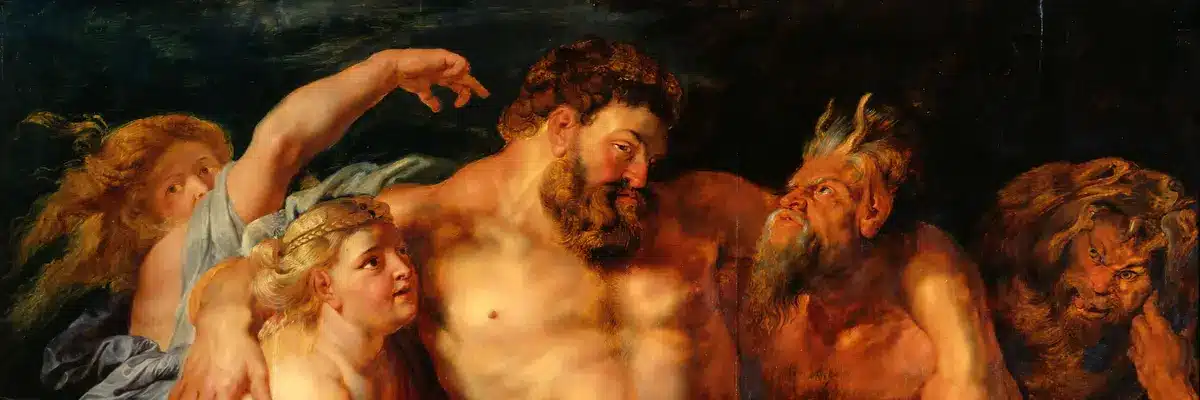
In ancient times, Heracles (Latin: Hercules) was the most popular hero of all. Numerous tales from ancient Greece bear witness to this. The most important painters and sculptors in classical times also created works that depicted the hero in sometimes dramatic, sometimes relaxed and sometimes comical situations. The muscular body and the attributes of the club and lion's skin were distinguishing features that enabled rapid identification.
The Romans adopted the admiration for the hero from the Greeks and contributed to the fact that many Greek statues were passed down through Roman copies. With the rediscovery of antiquity in the 16th century, the theme of "Heracles/Hercules" also experienced an artistic renaissance: sculptors, painters and artisans took up the mythical figure anew and interpreted it with great ingenuity.
Hercules, son of Zeus and Alcmene, embodies strength and courage, but also human weaknesses. He is not always victorious and virtuous - his anger, transgressions and remorse make him an ambivalent, deeply human figure. These contrasts have inspired artists from antiquity to modern times. The famous "twelve labors of Hercules" - such as the battle with the Nemean lion or the cleansing of the Augean stables - are among the central motifs, as are unusual scenes: Hercules in the service of Queen Omphale, depicted in women's clothes by Balthasar Permoser, or as a drunken hero in Peter Paul Rubens.
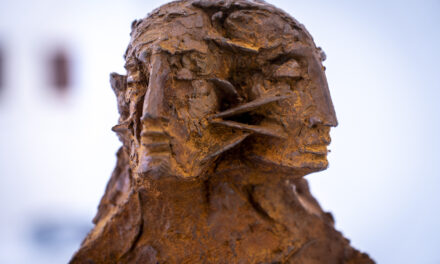
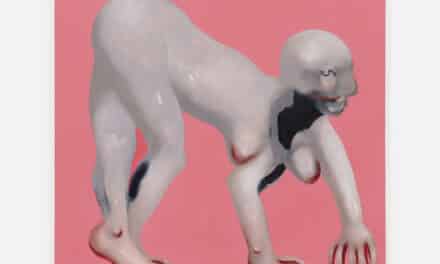
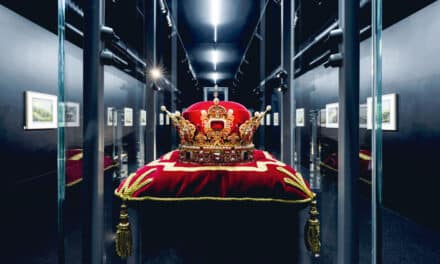
Sculptures, paintings, graphics and handicraft objects in the exhibition show the versatility of this figure - from heroic antiquity to contemporary reinterpretations. The question of what heroism means today - and who the true heroes of our time are - is posed in an entertaining way.
November 22, 2025 to June 28, 2026