Between fairy tale opera and political parable: With "Die Vögel" (The Birds), Walter Braunfels created one of the most important German operas of the early 20th century. The imaginative story of a bird society that dreams of power and seduction unfolds as a magnificent musical theater piece with a surprisingly topical message.
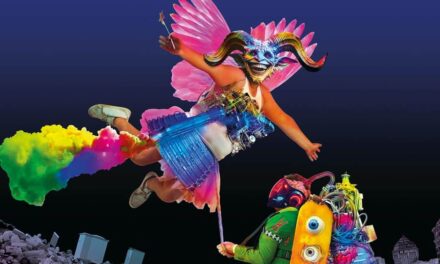
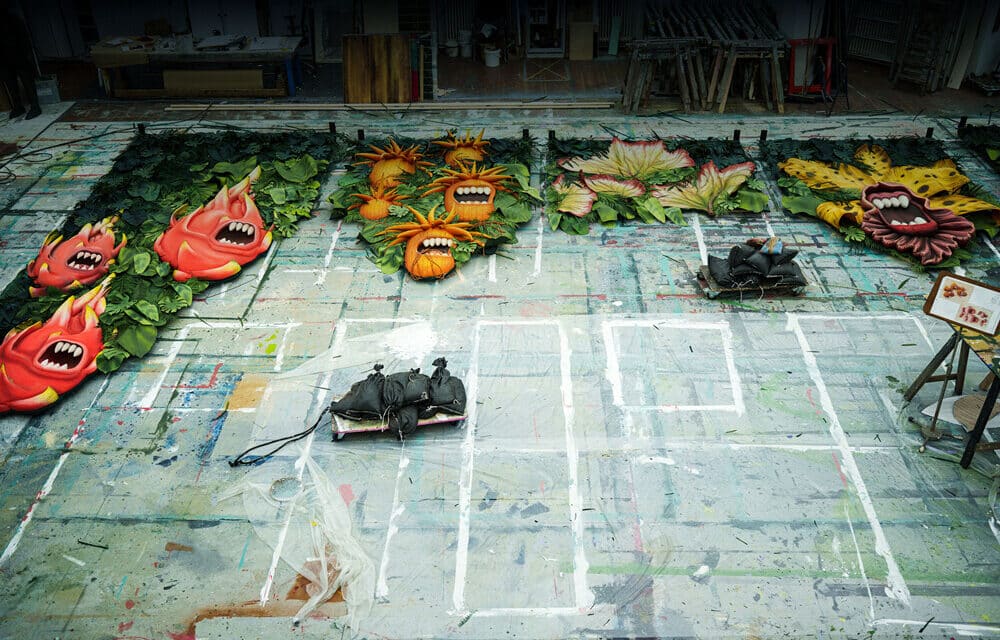
Walter Braunfels' opera "Die Vögel" (The Birds), long considered his greatest stage success, is based on a comedy by the ancient poet Aristophanes. In the story, two humans, Ratefreund and Hoffegut, persuade the birds to build their own city between heaven and earth—the legendary Cloud Cuckoo Land. There they want to create a new order and even challenge the power of the gods.
Unlike the ancient model, however, Braunfels opted for a tragic ending. Influenced by the political unrest of the Munich Soviet Republic of 1919, he allows the birds' vision to fail: Zeus destroys the city with a violent storm, and the old order ultimately prevails once again. The two human seducers then simply disappear back into their world, leaving behind a destroyed utopia.
Musically, Braunfels combines late Romantic sonic splendor with a fairy-tale atmosphere, creating a work in the tradition of Richard Wagner and Richard Strauss. The colorful bird arias in particular lend the opera its poetic and sonically fascinating effect.
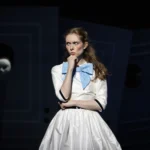
In Ersan Mondtag's production, the story is interpreted as a contemporary parable. The director relocates the action to an airport and combines the fairy-tale plot with allusions to current political developments. The opera thus becomes a powerful reflection on populist seducers, political manipulation, and the consequences of blind enthusiasm.
Premiere March 21,
Further performances: March 27 and 29, April 11 and 16, June 7 and 26, 2026