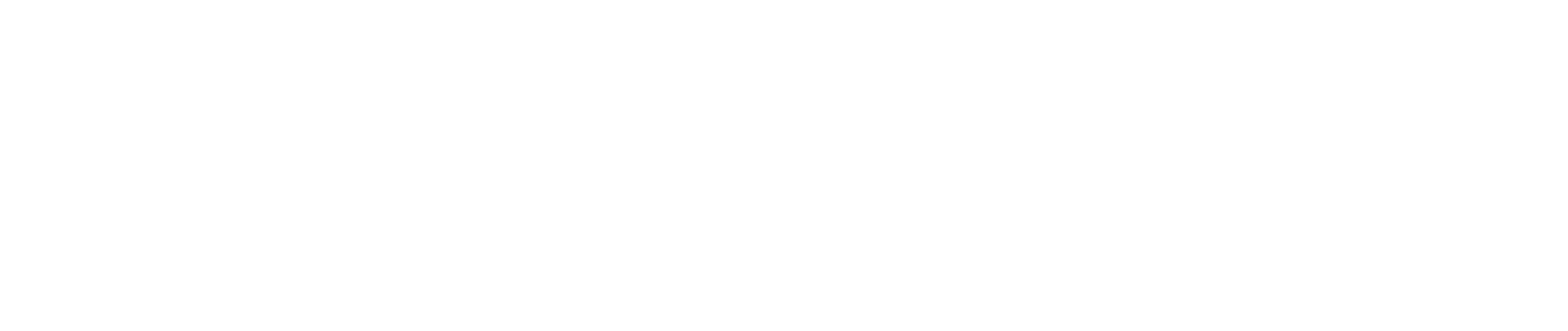

How do we tell each other about the world? This question accompanies visitors to the Museum für Kommunikation Frankfurt from the very first step. Across 2,500 square meters, the museum unfolds a lively and multi-layered journey through the history of human communication - from the earliest written records such as cuneiform script to contemporary communication with social media, messenger services and artificial intelligence.
The permanent exhibition "Media history(s) retold!" not only surprises visitors with historical treasures such as telegrams from the Titanic, a post bus from 1925 or the legendary Enigma encryption machine. It also shows the extent to which acceleration, networking and media literacy are shaping the world we live in. Numerous interactive stations invite visitors to try things out - from early teleprinters to digital tools. Children explore the world of secret codes in themed workshops, become detectives or secret agents and playfully learn about the mechanisms of modern communication.
The museum's major temporary exhibitions are contemporary and socially relevant. With "New Realities: Fashion Fakes - AI Factories", the museum focuses on the rapid significance of artificial intelligence in the field of fashion and image production. Hyper-realistic textures, AI-generated fantasy creations and surreal style worlds form an impressive course that shows how algorithms are changing our viewing habits. The key visual - a dazzlingly artificial fashion image, contrasted by a sober surveillance monitor - makes the central theme clear: where does reality end and fiction begin?
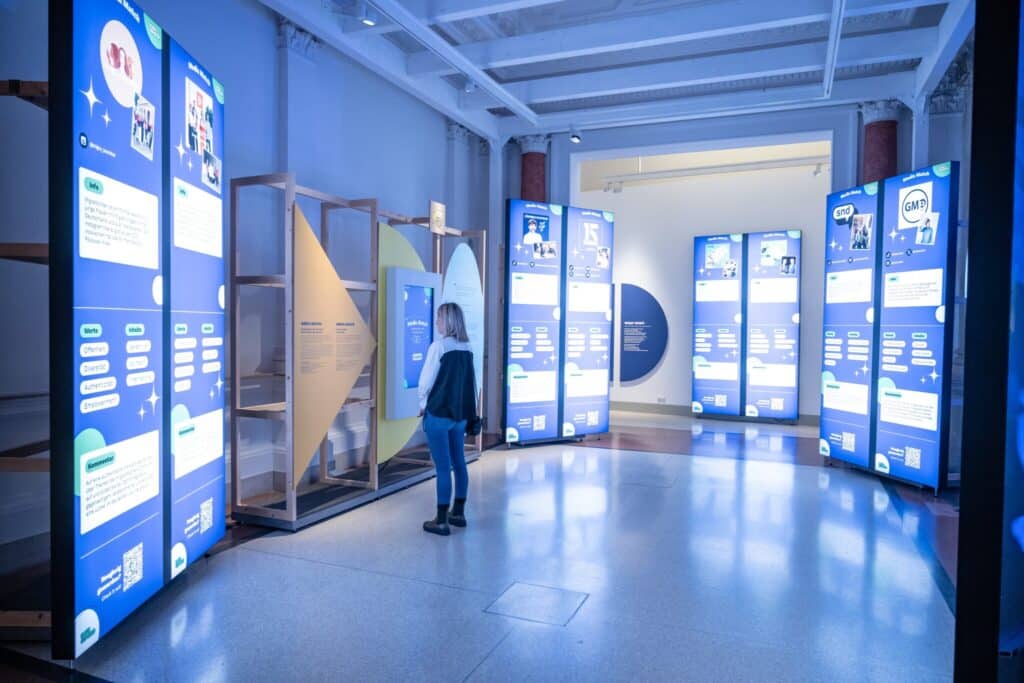
View of the exhibition "NACHRICHTEN - NEWS" © Museum für Kommunikation Frankfurt
Another focal point is the exhibition "NACHRICHTEN - NEWS", which for the first time takes a comprehensive look at the role of news agencies such as dpa, AFP and Reuters. Visitors are invited to reflect on their own relationship with the news: What information reaches us - and why? How do we distinguish facts from manipulation? And what responsibility do the media bear in a world shaken by crises? With historical images, multimedia installations and examples from global news events, the show demonstrates how complex finding the truth has become - and why it is more important today than ever.
until September 6, 2026
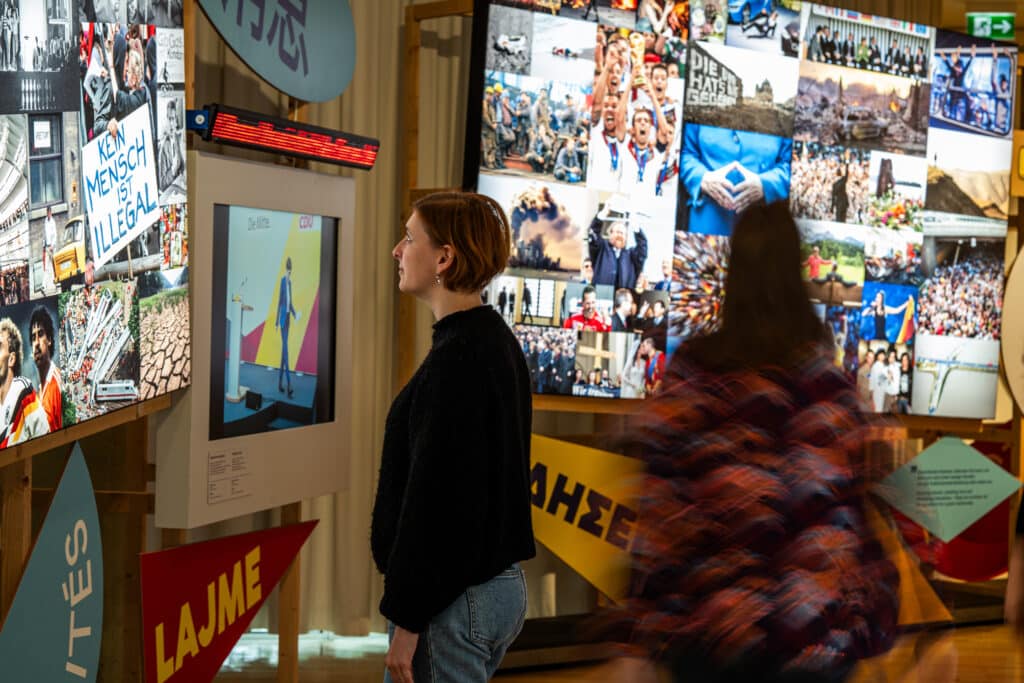
View of the exhibition "NACHRICHTEN - NEWS" © Museum für Kommunikation Frankfurt
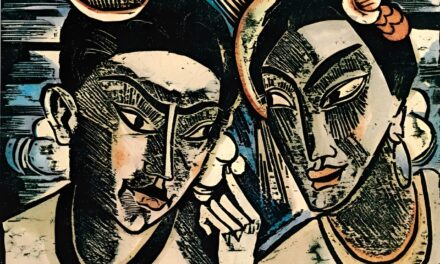
From January 2026, another historical and political highlight will follow: "The Nazis didn't just go away". The traveling exhibition of the School Museum of the University of Erlangen-Nuremberg is dedicated to dealing with National Socialism in Germany after 1945 - a topic that raises complex questions, especially for young people. Developed together with schoolchildren, the exhibition focuses on the perspectives of survivors, children of perpetrators and subsequent generations.
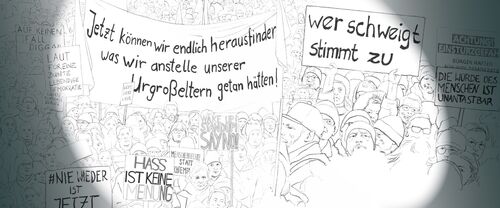
Illustrations from the exhibition "The Nazis weren't just gone" © David von Bassewitz
From December 2025, the museum will also be expanding its permanent exhibition with new themed islands on artificial intelligence. They will focus on the relationship between humans and machines, show AI-supported text and image production and pose key ethical questions: How is AI changing our social capabilities? What responsibility do developers bear? And how do we deal with systems that appear increasingly human?
Whether historical artifacts, socio-political debates or technological questions about the future - the Museum für Kommunikation Frankfurt makes it clear how closely our personal history is linked to the history of the media. And it shows how important it remains to constantly re-understand communication.
www.mfk-frankfurt.de
You are currently viewing a placeholder content from YouTube. To access the actual content, click the button below. Please note that doing so will share data with third-party providers.