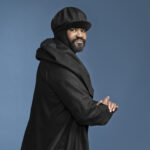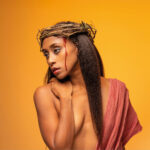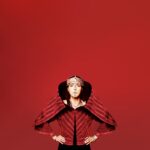
The French-Beninese artist Roméo Mivekannin combines European visual traditions with questions of Black identity, memory, and colonial violence. With humor and sharp wit, he inscribes himself into the canon of art history—and exposes its blind spots.
For his first institutional solo exhibition in Germany, Mivekannin is developing a new installation at the Kunsthalle Gießen , inspired by Adolf Hitler's never-realized "Führer Museum" in Linz. At its heart is a walk-in cage reminiscent of monumental architecture, in which portraits offemale artists from the Nazi era are gathered—from persecuted artists such as Elfriede Lohse-Wächtler to supporterssuch as Leni Riefenstahl. The work reveals the close intertwining of art, fascism, and colonialism, while also questioning the role of institutions as places of historical memory and interpretation. The exhibition title ("Hardly a word is said") refers to the silence that still surrounds these connections today.
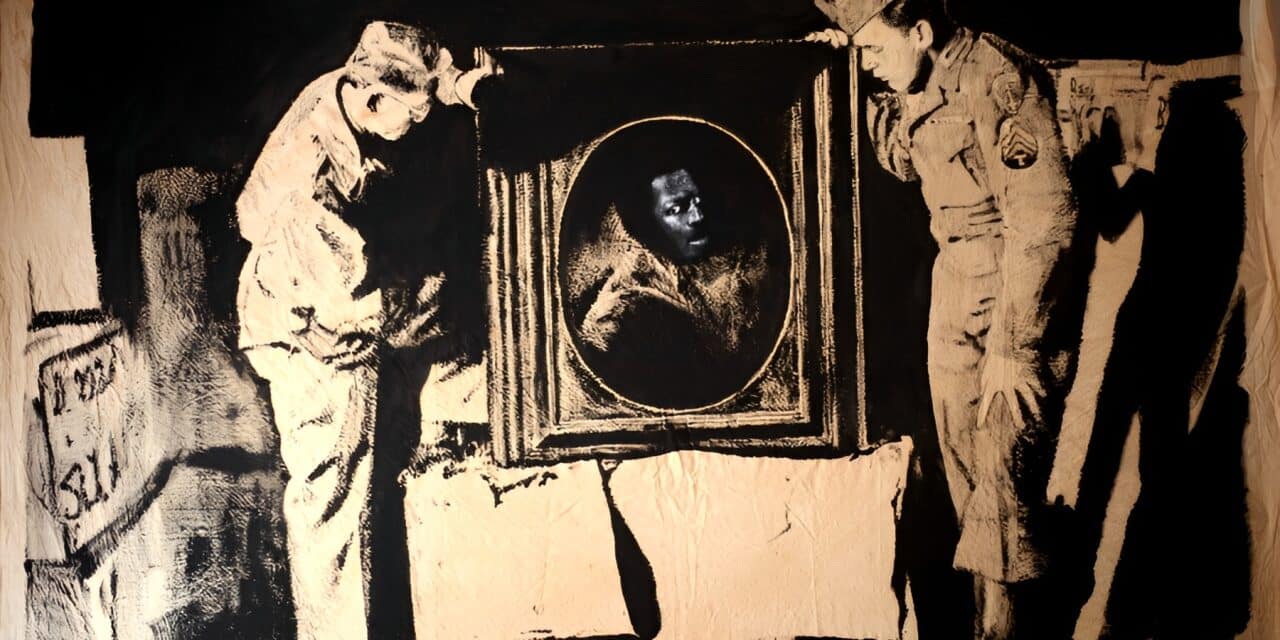
At the same time, Mivekannin sees his works as part of a ritual healing process. As a descendant of Béhanzin, the last king of Dahomey, he draws on spiritual practices: his paintings are created on used bed sheets, which are dipped in elixirs according to voodoo traditions before the painting process in order to cleanse them of negative energies. His ceramics, which contain ceremonial substances, also combine the spiritual with the political—and expand the art-historical discourse to include a physical, ritual dimension.
December 18, 2025, to March 15, 2026