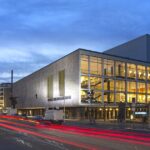

From June 21, 2025 to February 22, 2026, the Kunsthalle Osnabrück will be dealing with ghosts. It deals with topics such as ancestors, passing on knowledge across generations, traditional craft techniques, transgenerational trauma and shared learning. [Transgenerational trauma means that bad experiences are passed on from one generation to the next.]
The Kunsthalle Osnabrück is a special place. It is in a former church. The 2025 program invites visitors to recall their own hidden ghosts and hauntings. Art can be a means of coming to terms with them and understanding and coming to terms with one's own history. The theme of the year, "Ghosts", is ambiguous. Some aspects of the theme can be grasped with the mind, others more on an emotional level. Both should stand side by side on an equal footing and be shared. Material and non-material phenomena, European and non-European perspectives and old and new cultural techniques. There will be a summer party at the exhibition opening on June 21!
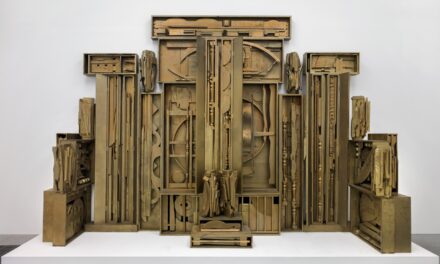
Chaveli Sifres: Epona
Chaveli Sifres works intensively in her art on the exploration of healing traditions from different cultures and religions and the knowledge of plants. In her paintings, sculptures, rituals and workshops, she explores the interplay between faith, science, sensory impressions and healing methods. This also involves her cultural background in Europe and the Caribbean. For years, Chaveli Sifre has been creating immersive scent installations that go beyond traditional materials. Her work explores how sensory experiences shape our identity and connect us to our heritage.
Chaveli Sifre will develop a new work at the Kunsthalle Osnabrück. She is transforming the former Gothic church into a multisensory landscape. [Multisensory means: I can grasp the space with different senses.] It invites visitors to engage with smells, sounds and touch. The installation covers the entire floor with shells from the North Sea. They crackle underfoot as you walk, triggering thoughts about breakage and change with every step.
The exhibition is named after Epona - a goddess from ancient beliefs. She is the goddess of fertility and horses. She stands for a free, nature-loving force with a view to the future. Epona and the horse are both considered soul guides. This means that they connect the world of the living with that of the dead. At the same time, they stand for wild nature, but also for caring, fighting and the close relationship between humans and animals. With its many sensory impressions, the exhibition invites us to reflect on our relationship with nature.
June 21 to October 19, 2025
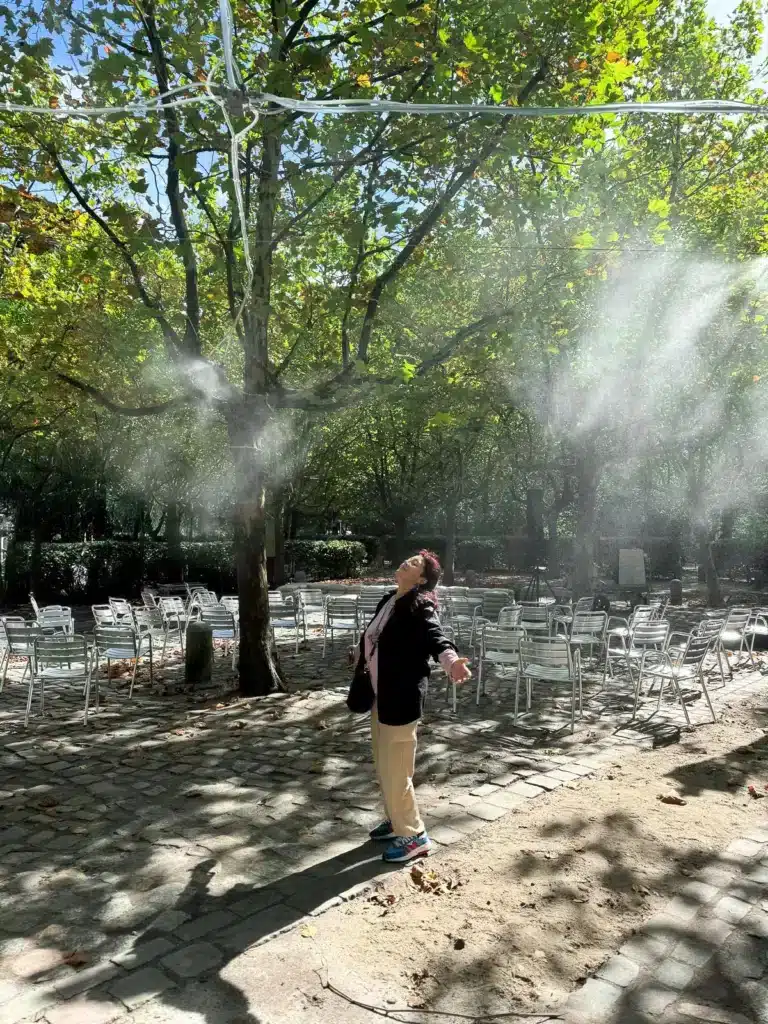
Chaveli Sifre, "Cloud Portal", installation view from "BAW Garten @Gropius Bau during Berlin Art Week" Berlin, 2024. Curated by Marie-Therese Bruglacher. Photo: Marie-Therese Bruglacher
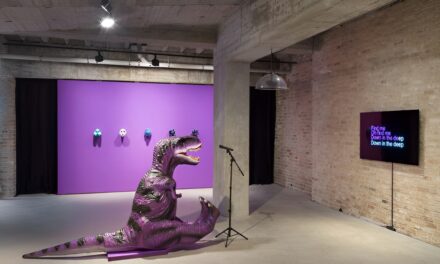
Minh Doc Pham: Never Quite Right
Minh Duc Pham is an artist and performer. He works with fragile materials such as clay, fabric and flowers. He processes them using traditional techniques such as sewing, papermaking and ikebana. [Papermaking means making new paper from old paper. The technique has been around for a very long time. And ikebana is a Japanese art form in which flowers and other materials are put together to make flower arrangements]. In his art, he tells stories in a new way. Voices are heard that are often not remembered.
Minh Duc Pham was born in Germany. From an early age, he was confronted with social expectations: to conform and perform well. His early experiences with this pressure are part of Minh Duc Pham's artistic work. He resists racism, classism and queer hostility, i.e. various forms of discrimination. This struggle forms the basis of his art.
Minh Duc Pham is the son of Vietnamese contract workers. Many people from Vietnam worked in the GDR from the 1980s onwards. There was a contract for this between the GDR and Vietnam. The contract workers often worked in factories, often for several years. They lived in dormitories or group accommodation and had little contact with the residents of the GDR. At the time, the political leadership said: "The contract workers come from a socialist brother country". Nevertheless, their everyday lives were often characterized by exclusion and inequality.
Minh Duc Pham is developing a poetic monument for the inner courtyard of the Kunsthalle Osnabrück. It is dedicated to the Vietnamese contract workers of the former GDR. Their sense of dependence, invisibility and uncertainty is thus made visible.
The model for Minh Duc Pham's work was the analemmatic sundial. An analemmatic sundial is a special type of sundial. It shows the time with the help of the sun and a shadow. The special thing about it is that the shadow rod is not fixed, but has to be moved depending on the date.
However, Minh Duc Pham sees this sundial not just as a timepiece. It is a poetic time piece. It combines memory, loss and resistance. The hours are marked by winding flowers of different heights. This reminds us, among other things, that many contract workers opened flower stores after reunification. The blossoms are also reminiscent of thorn and leaf removers. They stand for the smoothing and equalizing of resistant elements.
At the center of the work is an invitation: The visitors themselves become the shadow-casting pointer. They place themselves on the date bar. In this way, they activate the measurement of time with their bodies. But this movement is limited. The month controller is set to April 11, 1980. The day the treaty between the GDR and Vietnam was signed. Any readable time is therefore shifted and distorted - a system that is not based on people, but on political decisions.
This change is symbolic of the ruptures in the lives of many contract workers, processors and their children. It shows how strongly state regulations have influenced their lives - and continue to do so today.
June 21 to October 19, 2025
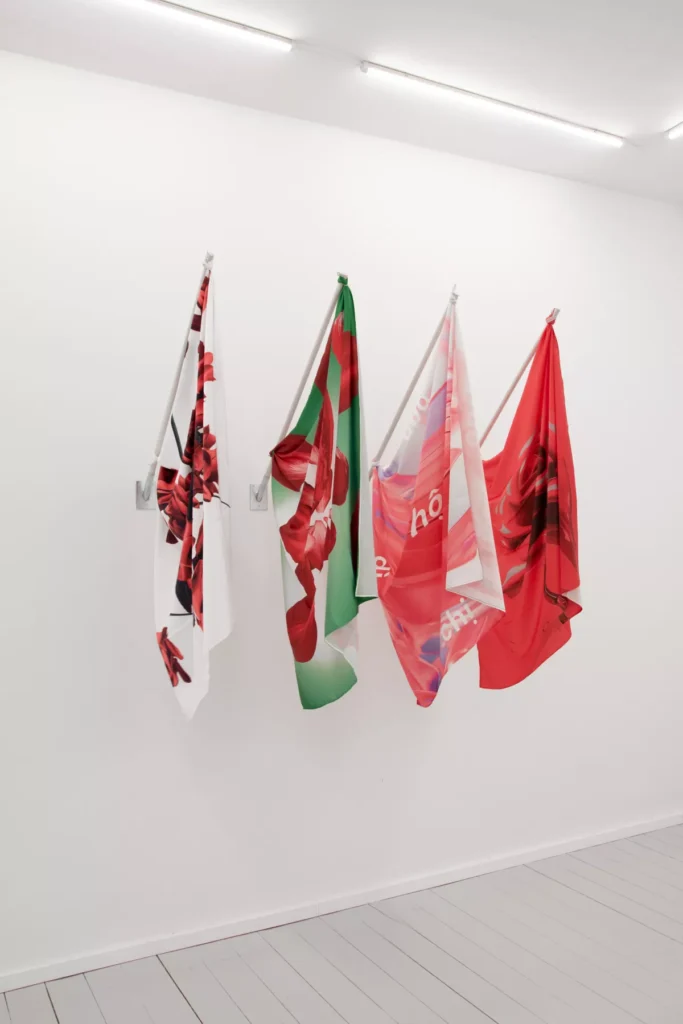
Minh Duc Pham, "Rose Brigade", installation view Galerie im Tempelhof, 2025. Courtesy and photo Minh Duc Pham
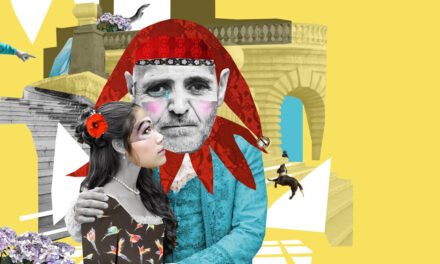
Christian Diaz Orejarena: Otras Rayas - Other Lines
Christian Diaz Orejarena is an artist and art educator. His artistic work is based on research and history. It makes injustices, inequalities and economic dependencies visible. Dependency relationships between the Western world and the Global South.
[The countries of the Global South are located in Africa, Latin America, South and Southeast Asia, the Middle East and Oceania. These countries used to be called developing countries. They were exploited by European countries. The consequences of this exploitation can still be felt today].
Christian Diaz Orejarena combines fantasy, imagination and real stories. In his comics, drawings and videos, he shows people who are different. They do not conform. They fight back and take a stand against the exploitation of the Global South.
In 2021, Christian Diaz Orejarena published his comic "Otras Rayas - Other Lines". This deals with the connections and effects of German colonial history in Colombia. Back then, entrepreneurs from Germany established trade routes through Colombia so that Europeans could better exploit the country. Various family stories are told along these trade routes in the comic. Christian Diaz Orejarena's own life story is included. His father comes from the Santander region in Colombia. The merchant Geo von Lengerke from Lower Saxony also developed large areas of land there in the 19th century. Quinine was mined on the land. Quinine was an important remedy against malaria fever. It was very valuable at the time and helped to bring new areas under control. Geo von Lengerke also built roads and bridges.
Ghostly masks and figures guide us through the history of the comic. The comic shows how the past still has an impact today. Who has what power over the economy in Colombia? Who owns the land and the undeveloped forests? And what do German museums have to do with it? For the Kunsthalle Osnabrück, Christian Diaz Orejarena has realized the comic as a walk-in space for the first time.
June 21 to October 19, 2025
https://kunsthalle.osnabrueck.de
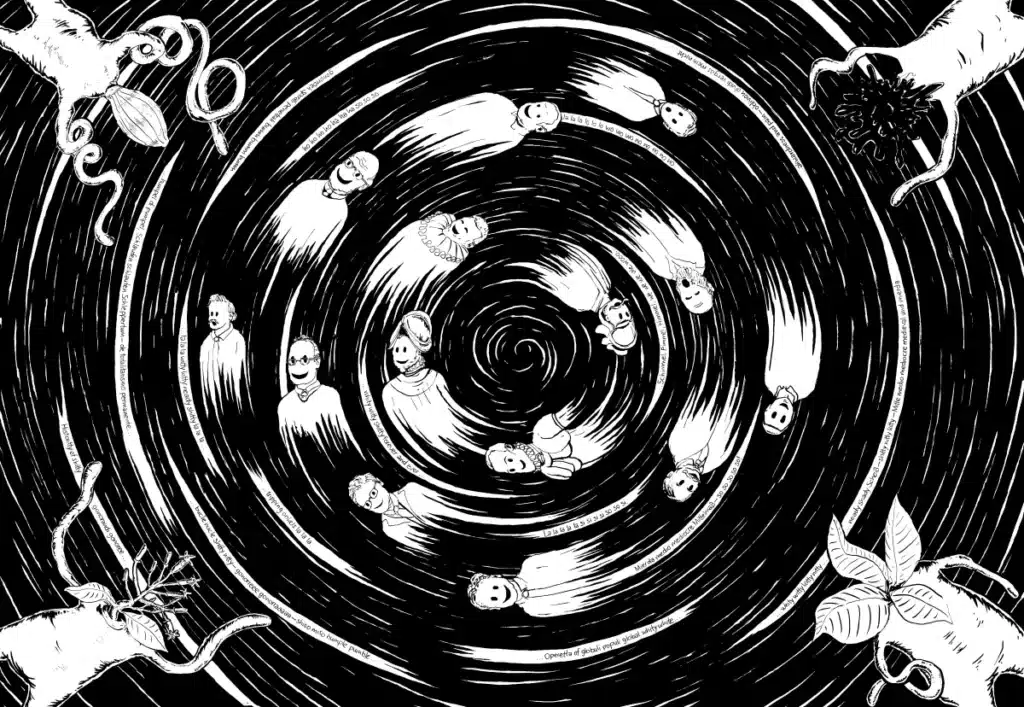
Christian Diaz Orejarena, "Otras Rayas - Other Lines", 2021 Courtesy and photo: Christian Diaz Orejarena