In his work, Cyprien Gaillard explores urban spaces as fragile structures of memory, control, and repression. Sculpture, film, sound, and architecture combine to create dense visual spaces that reflect modern ways of life and their dark sides.
Cyprien Gaillard combines sculpture, architecture, video, photography, and sound art to create multi-layered artistic works that arise less from the author's gesture than from the observer's attitude. His themes revolve around youth culture, urban transformation, the relationship between nature and built space, and modern ways of life. In doing so, he focuses on existing structures: on postwar architecture as well as ritualized behaviors and social codes in public space.
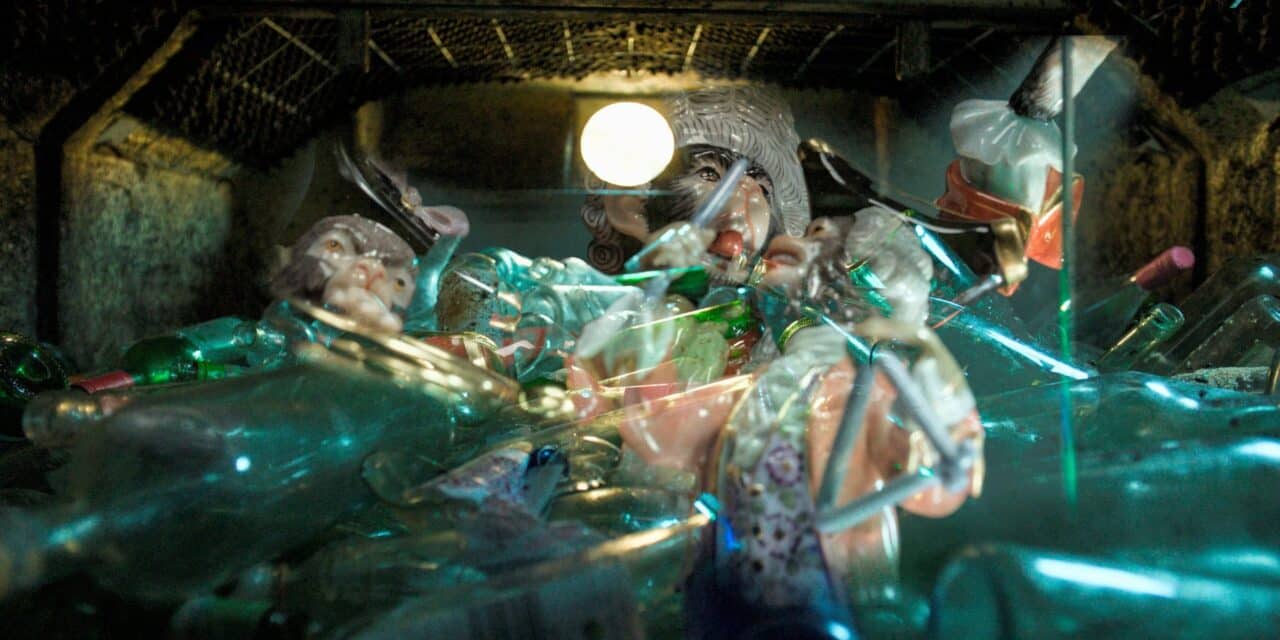
Film plays a special role in Gaillard's work as a sensual condensation of these observations. Retinal Rivalry unfolds as a visually and acoustically intense experience in which stereoscopic 3D images, sound, and rhythm merge into an almost hallucinatory perception. The camera traverses urban zones and scenic spaces that are culturally charged and symbolically determined. The dark, disturbing atmosphere defies simple interpretations and confronts the audience with a world in a permanent state of tension.
For his exhibition at Kunsthaus Bregenz, Gaillard focuses on so-called deterrents —measures of deterrence and control that subtly regulate public space. Barriers, deliberately uncomfortable seating, or targeted acoustic sound systems serve to displace certain bodies and actions. These interventions reduce public space without visibly abolishing it, making power relations tangible in everyday life.
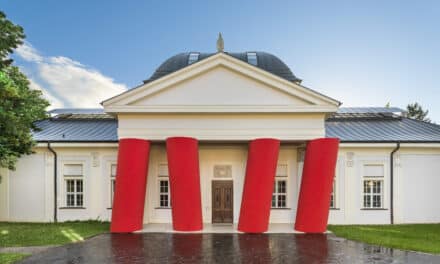
In Bregenz, Gaillard is developing a new cinematic work, complemented by sculptural interventions that respond precisely to the architecture of the building. The exhibition space thus becomes a field of experience in which perception, control, and spatial production are inextricably linked. Gaillard's works do not invite quick interpretation, but rather encourage viewers to see everyday structures in a new light—and to consciously perceive their hidden mechanisms.
June 13 to October 4, 2026