The Kunsthistorisches Museum is dedicating its 2025 fall exhibition to one of the most important female artists of the 17th century: Michaelina Wautier. The exhibition offers visitors the unique opportunity to discover almost the entire oeuvre of the artist on an equal footing with contemporaries such as Peter Paul Rubens or Anthonis van Dyck.
With the exhibition "Michaelina Wautier, Painter", the Kunsthistorisches Museum is showing an artist whose name was largely unknown even in art historical circles just a few decades ago - and who is now considered one of the most important female painters of the 17th century with good reason. This is the first comprehensive exhibition in Austria to pay tribute to the work of this exceptional artist in its entirety. Her works are placed in a direct dialog with prominent contemporaries such as Rubens or van Dyck - a comparison she passes with flying colors.
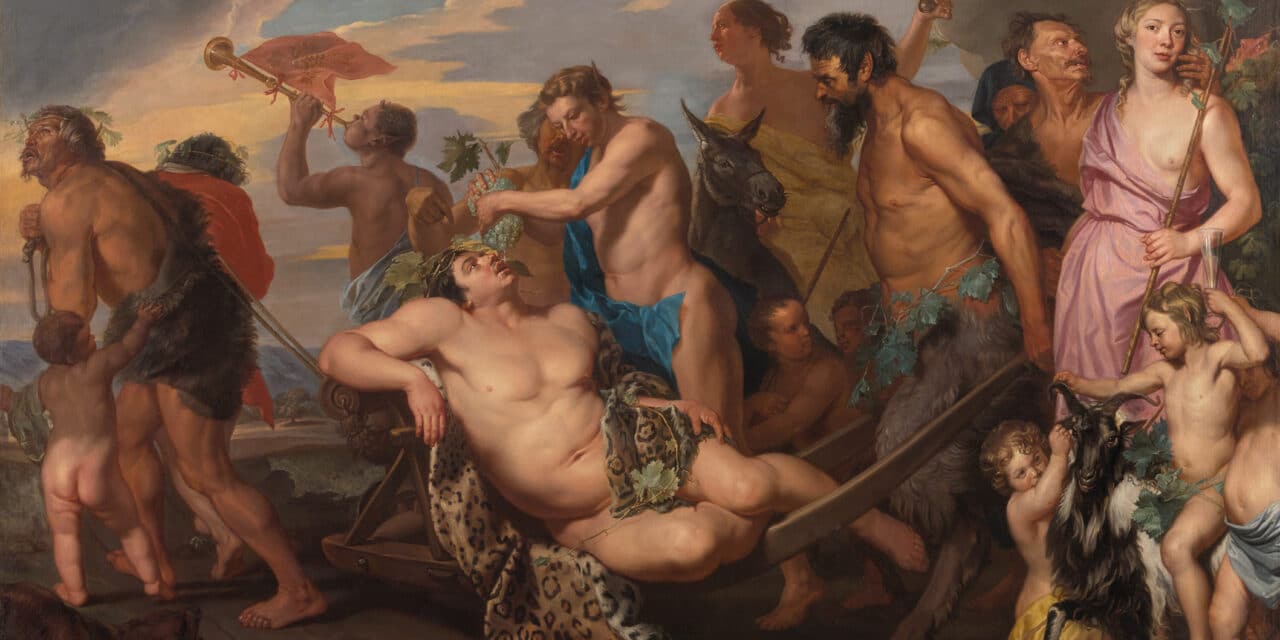
Michaelina Wautier (1614-1689) defied the conventions of her time in many respects. As a woman, she not only ventured into the discipline of history painting, which was considered masculine, but also excelled in all genres: from portraits and still lifes to religious and mythological scenes. Her works are surprising for their technical brilliance, psychological depth - and occasionally for their cheeky irony. Particularly striking: the monumental "Triumph of Bacchus", a painting full of men enjoying a drink, with a cleverly concealed self-portrait of the painter herself - with bared breast, ironically charged, self-confident and uncompromising.
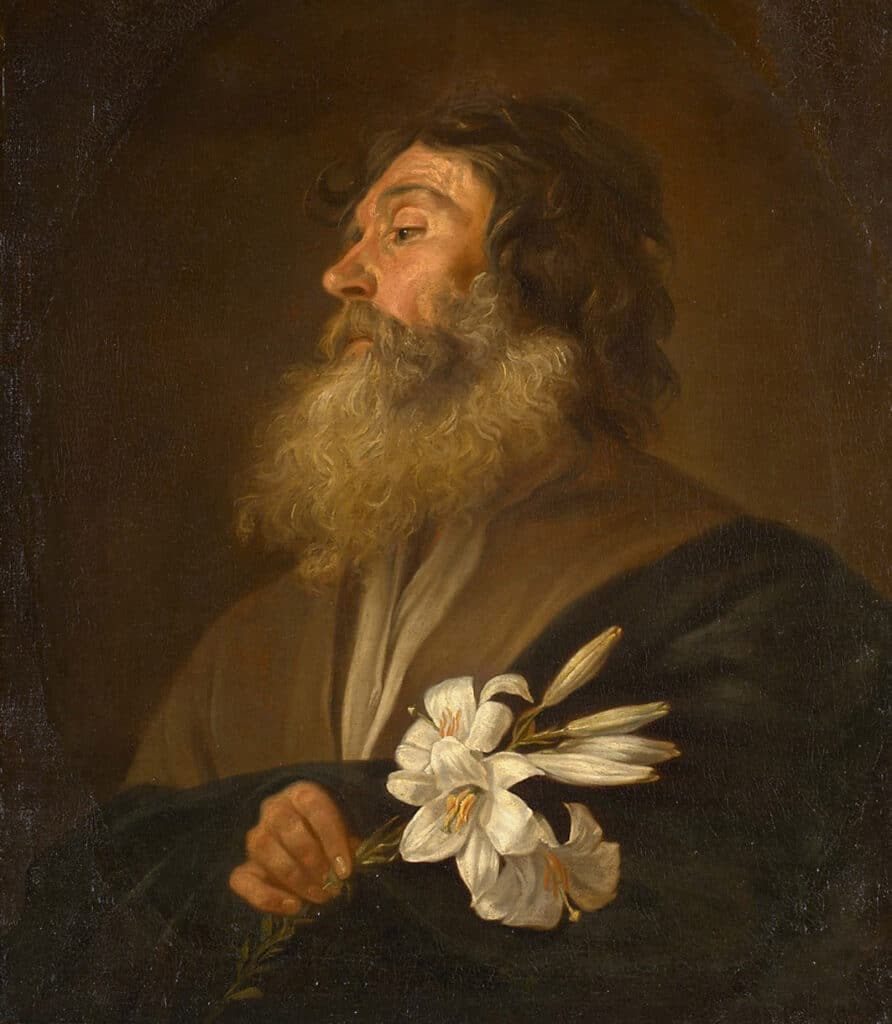
Michaelina Wautier, St. Joseph, shortly after 1650, Vienna, Kunsthistorisches Museum, Picture Gallery © KHM-Museumsverband
The biography of this artist remains fragmentary - which only adds to the myth. Presumably from a middle-class background, she does not appear to have had any formal artistic training. And yet her oeuvre speaks for a professional, confident handling of color, light and composition. Her paintings reveal influences from Italy, perhaps also from her brother Charles Wautier, with whom she lived in Brussels until her death in 1689. It remains curious: The earliest known work dates from 1643, when she was already almost 30 - and her last known commission is from 1659. What did she do in the following three decades?
This exhibition focuses not only on Wautier's work, but also on the fact that it often takes decades - indeed, centuries - for women to regain their place in art history. In an elaborately curated exhibition, the Kunsthistorisches Museum is showing almost 30 works from museums and private collections in Europe and North America. Rarely has it been possible to see so many of Wautier's works at once. Visitors can encounter an artist who is characterized not only by her technical mastery, but also by her artistic independence and intellectual wit.
Michaelina Wautier is not a marginal note in art history - she is its blind spot. All the more important is this exhibition, which not only reveals an impressive body of work, but also poses many questions: about the relationship between gender and art, memory and forgetting, fame and chance.
September 30, 2025 to February 22, 2026
www.khm.at