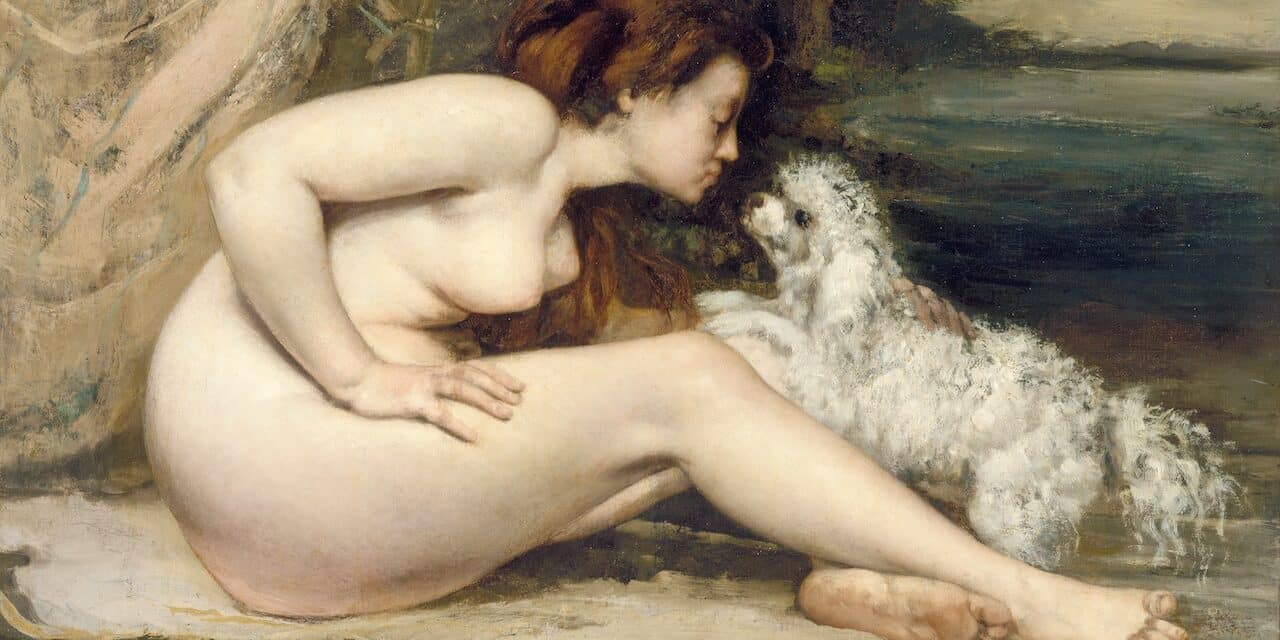
The retrospective "Gustave Courbet. Realist and Rebel" at the Leopold Museum, the first comprehensive solo exhibition of the artist's work in Austria, offers an in-depth insight into Courbet's entire oeuvre. It brings together key paintings, prints, and drawings from all phases of his career, allowing visitors to trace the development of an artist who constantly balanced individuality, social criticism, and observation of nature.
Gustave Courbet (1819–1877) is considered the undisputed pioneer of realism, who consistently opposed the idealizing conventions of 19th-century art. With unwavering directness, he portrayed life in all its facets—from simple country folk to urban social classes—thus radically questioning the aesthetic norms of his time. Courbet's work is characterized by a combination of artistic self-determination, political engagement, and a desire to provoke: whether as a painter who depicted physical reality without embellishment or as a politically active citizen during the Paris Commune of 1871, Courbet was a rebel on all levels.The exhibition begins with early self-portraits in which Courbet makes clear his self-perception and self-confidence. It continues with his groundbreaking images of social realism, in which he depicts the lives of workers and peasants, as well as scenes of everyday life in Paris that are both poetic and critical. Special attention is given to the landscapes of his homeland Ornans and the Franche-Comté region: with expressive power and subtle lighting, Courbet captures nature in its directness. Seascapes and sensuality in portraits and nudes also reflect the breadth of his visual interests.
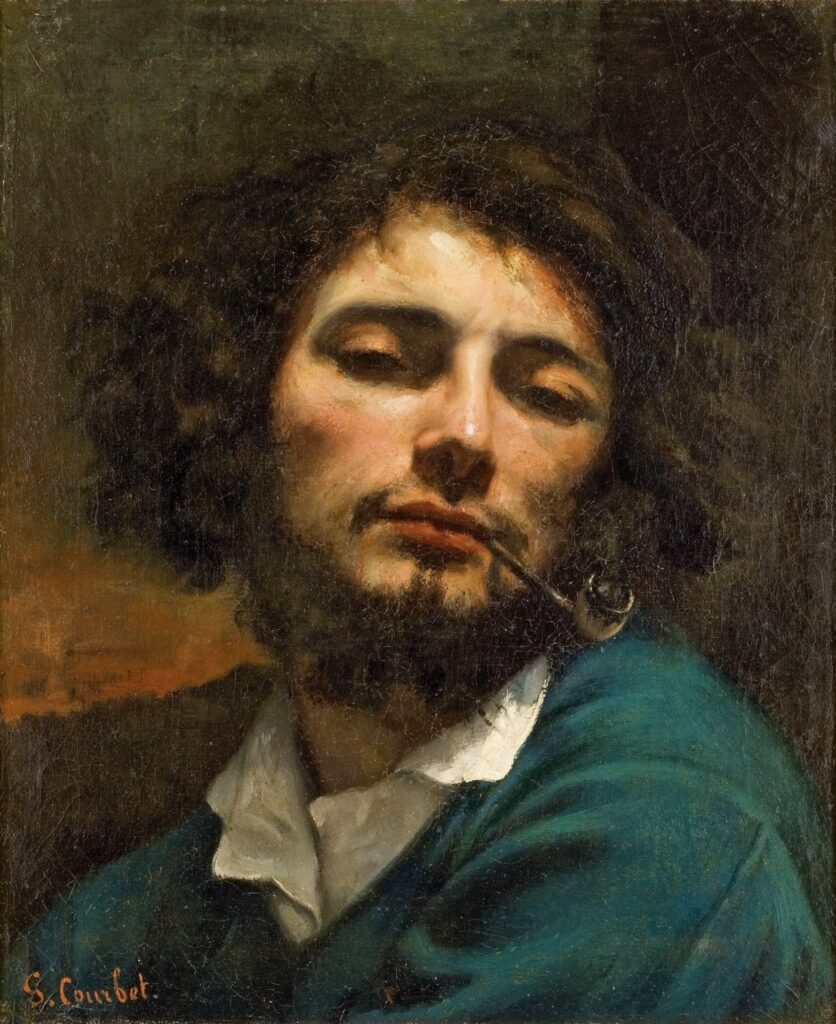
Gustave Courbet, L’Homme à la pipe/The Man with the Pipe, circa 1849 © Musée Fabre, Montpellier, photo: Musée Fabre de Montpellier Méditerranée Métropole/Frédéric Jaulmes
Another focus is on the works from Courbet's exile in Switzerland, which he was forced to undertake after his political persecution during the Paris Commune. Here, his ability to manifest inner freedom and artistic self-determination in a new environment—far away from political pressure and artistic expectations—is evident.
The retrospective not only honors Courbet's artistic achievements, but also his unwavering urge to question conventions and make social realities visible. Visitors thus have the opportunity to discover both the rebel and the sensitive observer: an artist whose work still provokes, inspires, and amazes today.
February 19 to June 21, 2026
www.leopoldmuseum.org
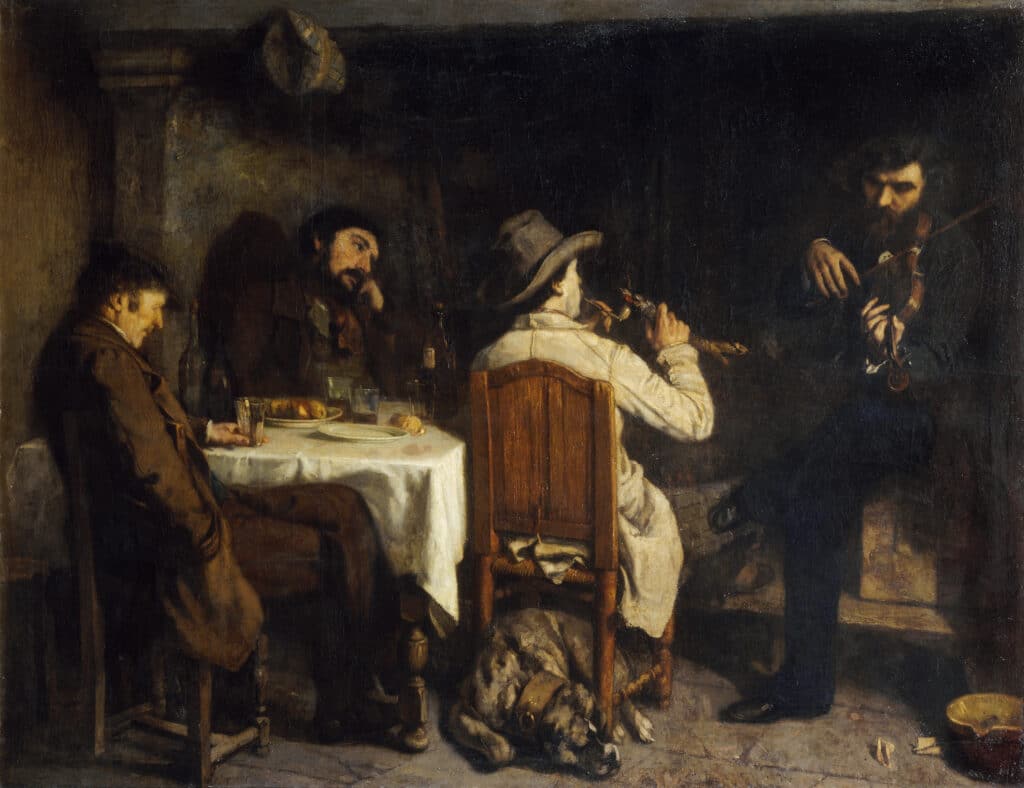
Gustave Courbet, L’Après-dînée à Ornans/After Dinner in Ornans, 1849 © Lille, Palais des Beaux-Arts | Photo: GrandPalaisRmn (PBA, Lille)/Philipp Bernard