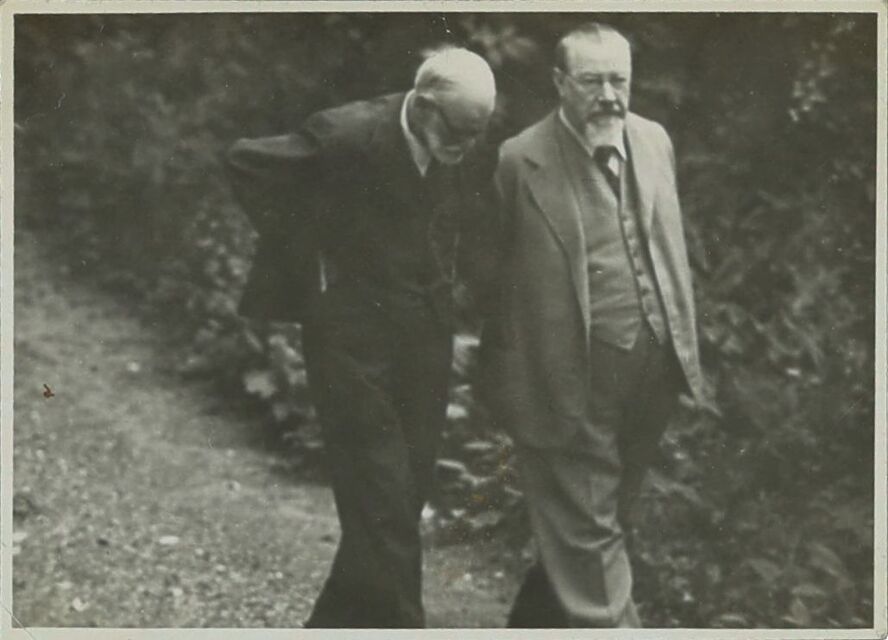
There are places where history begins to think. The Sigmund Freud Museum Vienna is one such place—a house that tells not only of the origins of psychoanalysis, but also of flight, loss, and new beginnings. At Berggasse 19, where Freud once explored the human soul, the museum now confronts the darkest chapters of its own history. Here, remembrance becomes a form of enlightenment – precise, painful, and necessary. With the special exhibition "The Freud Case: Documents of Injustice,"the museum focuses on the last months of the Freud family in Nazi Vienna and the years that followed. What was long considered "well documented" is now revealed in oppressive detail: the systematic robbery of Sigmund Freud and his brother Alexander, the disenfranchisement, expropriation, and ultimately murder of their four sisters—Rosa, Maria, Adolfine, and Pauline.
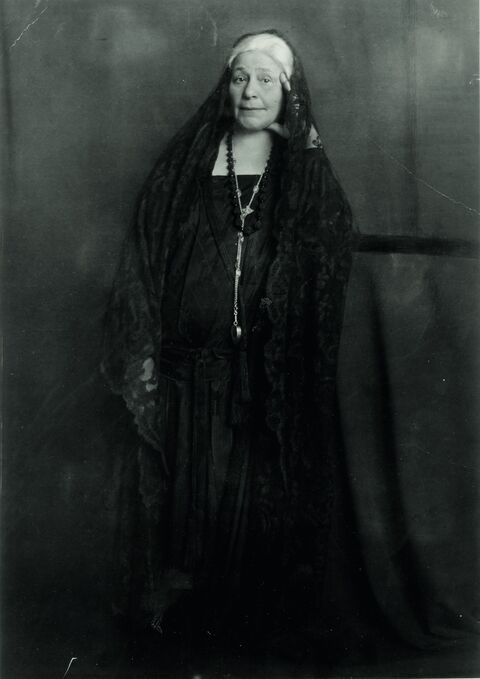
Rosa Graf, 1927 © Library of Congress
The central element of the show is previously unpublished perpetrator documents that recently came into the museum's possession. They come from the estate of the National Socialist "provisional administrator" of the International Psychoanalytical Publishing House, which once belonged to Freud and his daughter Anna. Together with hundreds of original files, letters and lists of assets, they meticulously trace how the Nazis robbed the Freud family via bureaucratic detours. The emigration of the founder of psychoanalysis, which outwardly appeared orderly and privileged, turns out to be an act of forced self-rescue under massive pressure and the threat of annihilation.
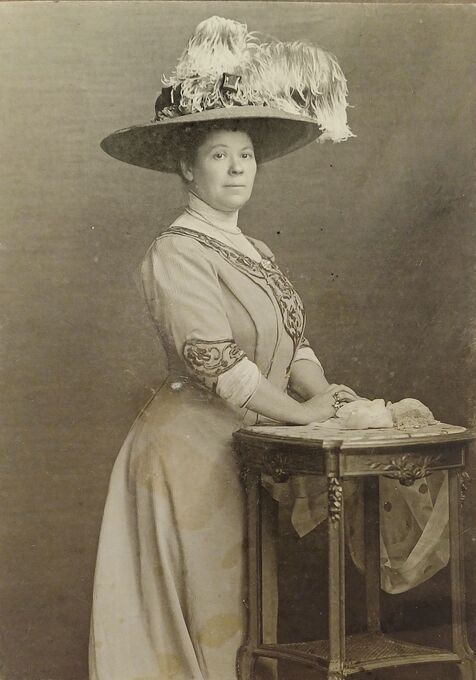
Marie Freud © Library of Congress
The exhibition is particularly dedicated to the fate of the four Freud sisters who stayed behind in Vienna in 1938. New research findings and unpublished letters refute the long-circulated narrative that they were "left behind". Instead, the documents show how brothers and relatives desperately tried to organize departures and support - and still failed. Letters from Vienna, now preserved in the Library of Congress in Washington, make the fear, hope and ultimately the despair of these women palpable.
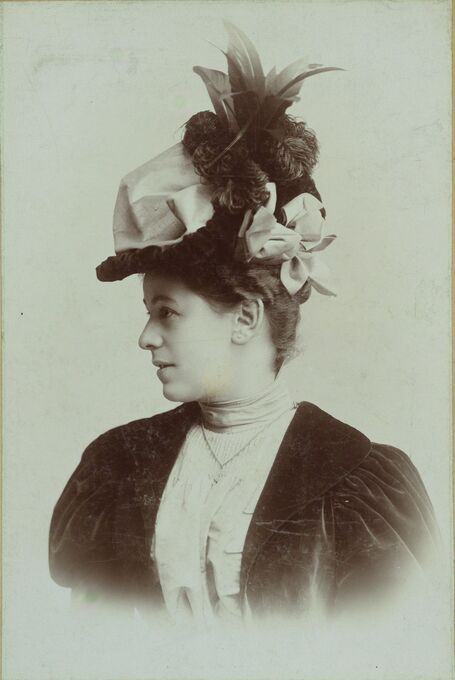
Adolfine Freud © Library of Congress
In 1942, Rosa Graf, Maria Freud, Pauline Winternitz, and Adolfine Freud were deported; only Adolfine survived briefly in Theresienstadt, while the others were murdered in Treblinka. The exhibition documents both the fates of the victims and the actions of the perpetrators—while also shedding light on how Nazi crimes were dealt with in postwar Austria.
Thus, "The Freud Case" becomes a dual space of insight: it shows how deeply injustice penetrated the structures of everyday life – and how necessary it remains to expose these entanglements. Between memory and enlightenment, the Sigmund Freud Museum once again makes it clear that memory is not a closed chapter of the past, but a lasting moral obligation.
until November 9, 2026
www.freud-museum.at
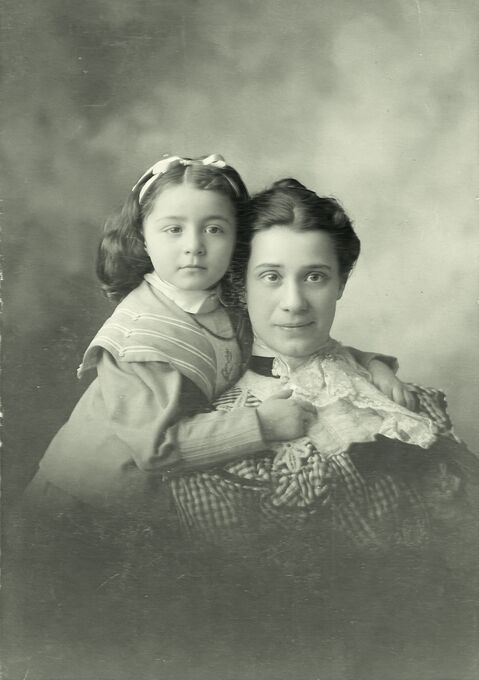
Pauline Winternitz with her daughter Rose © Private Archive Roger Waldinger