A painter between worlds - the eye as an instrument of truth. He was a traveler in the realm of color, a seeker between light and silence: Carl Schuch (1846-1903), the great unknown of Austrian painting, returns to the consciousness of art with a touching clarity. The Städel Museum in Frankfurt is dedicating an impressive exhibition to him with "Carl Schuch and France", which shows the quiet revolutionary in the mirror of French modernism - between Courbet, Manet, Monet and Cézanne.
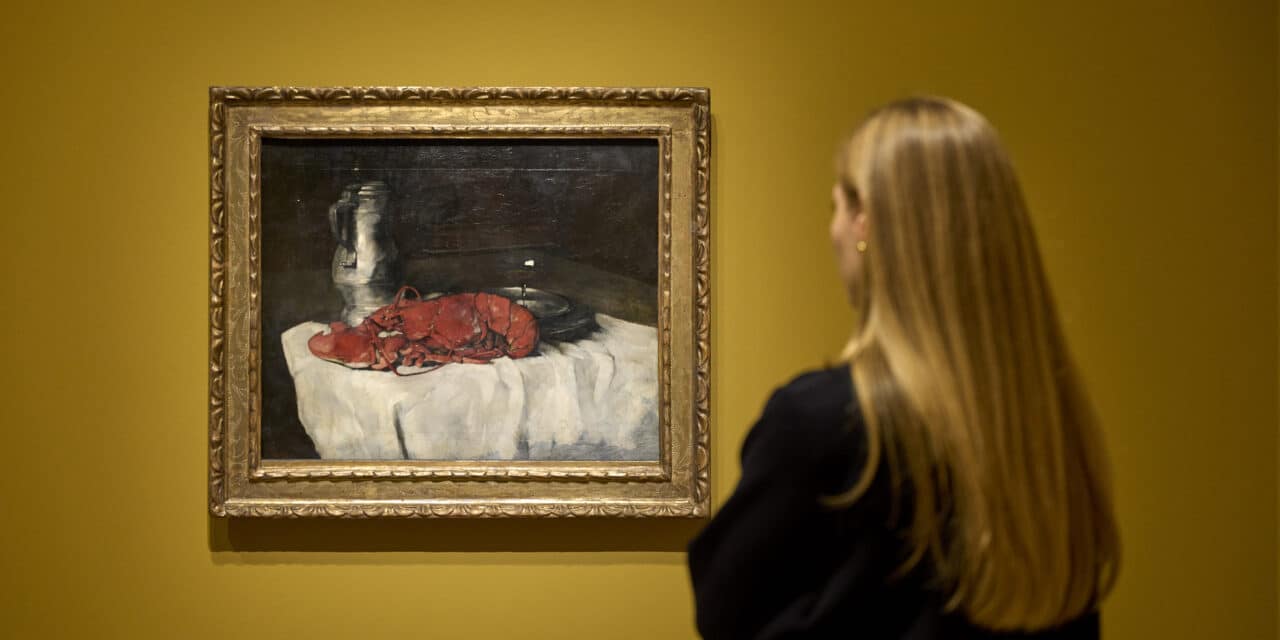
Schuch's work seems like the echo of an inner melody: quiet, concentrated, of rare density. He did not paint to please, but to recognize. His still lifes - with bowls, loaves of bread, glasses, fish, fruit - are not arrangements, but states of seeing. The visible becomes the opposite, the gaze itself becomes the action. And yet his painting is imbued with an almost metaphysical calm, a palpable self-forgetfulness that one only knows from the devotion of an artist who no longer has anything to prove.
When Schuch came to Paris in 1882, the city was in the midst of the vibrant upheaval of modernism. Courbet had brought the heaviness of the earth to the canvas, Manet had liberated perception, Monet had opened up color - and Cézanne had begun to transform the world into surfaces and weights. Schuch, the Viennese, saw all this, studied it, absorbed it - and yet went his own way. "I don't paint things, I paint values," he wrote in one of his notebooks. His secret lies in this attitude: the fusion of form and perception, of nature and thought.
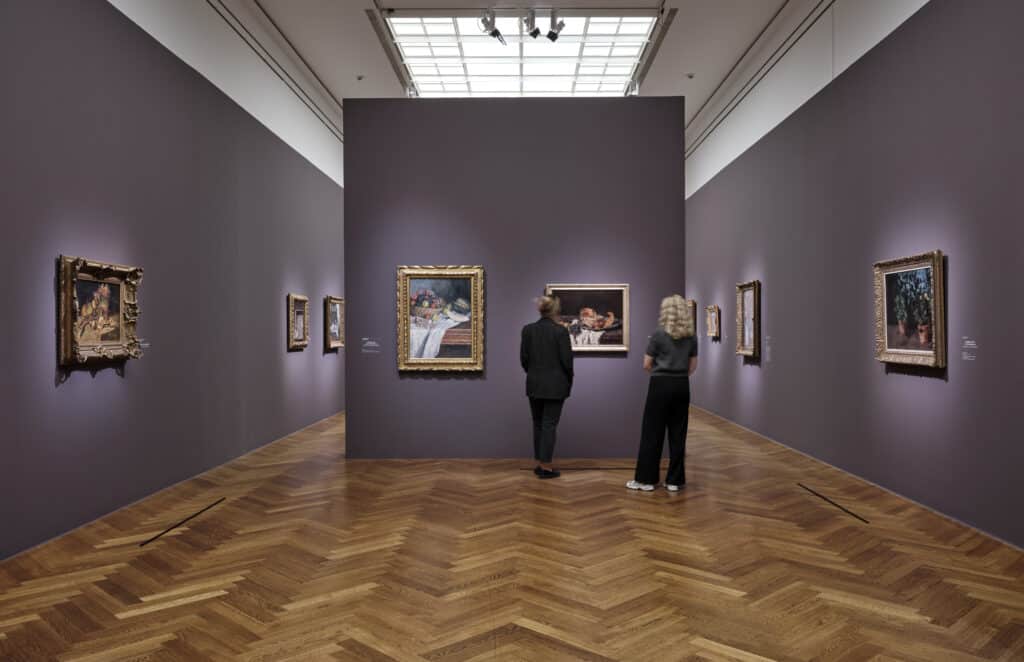
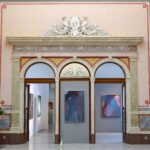
Exhibition view "Carl Schuch and France", Photo: Städel Museum - Norbert Miguletz
The Frankfurt exhibition shows the painter as a European border crosser who broke away from national schools early on and dedicated himself to the truth of seeing. Between Vienna and Paris, Munich and Venice, in the Netherlands and on Lake Constance, Schuch experimented with light, materiality and the inner order of color. His still lifes shine out of themselves, his landscapes breathe a deep understanding of the transformation of the world in the eye of the beholder.
Alongside the great French masters, Schuch's works in the Städelmuseum enter into a dialog characterized by quiet intensity. Here it becomes clear that Schuch was not an imitator, but a thinker with a brush - an artist who found his own language in the "space between" the epochs, between Realism and Impressionism.
This exhibition is more than an art-historical rediscovery: it is a celebration of seeing. In an age that favors the fleeting, Schuch reminds us of the slowness of perception. His painting does not speak loudly, but it remains. It does not flicker - it glows.
September 24, 2025 to February 1, 2026
www.staedelmuseum.de
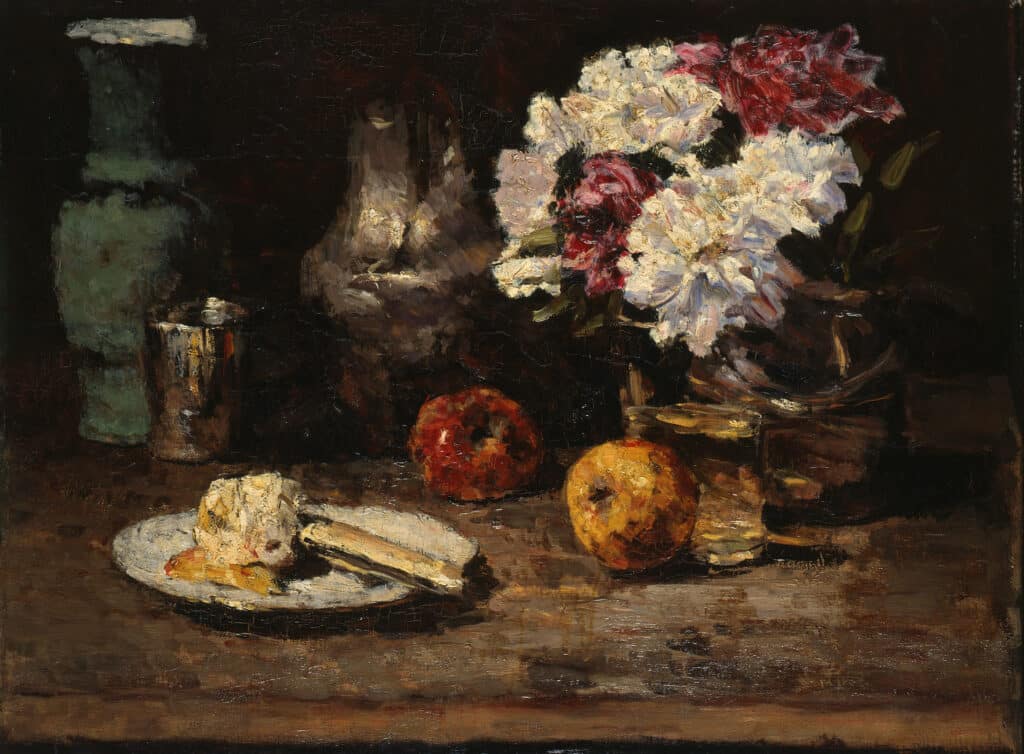
Carl Schuch, The Rhododendron Basket ("The Green Jug"), 1886-1894, oil on canvas, Staatliche Kunstsammlungen, Gemäldegalerie Neue Meister, Dresden © Albertinum | GNM, Staatliche Kunstsammlungen Dresden / Jürgen Karpinski