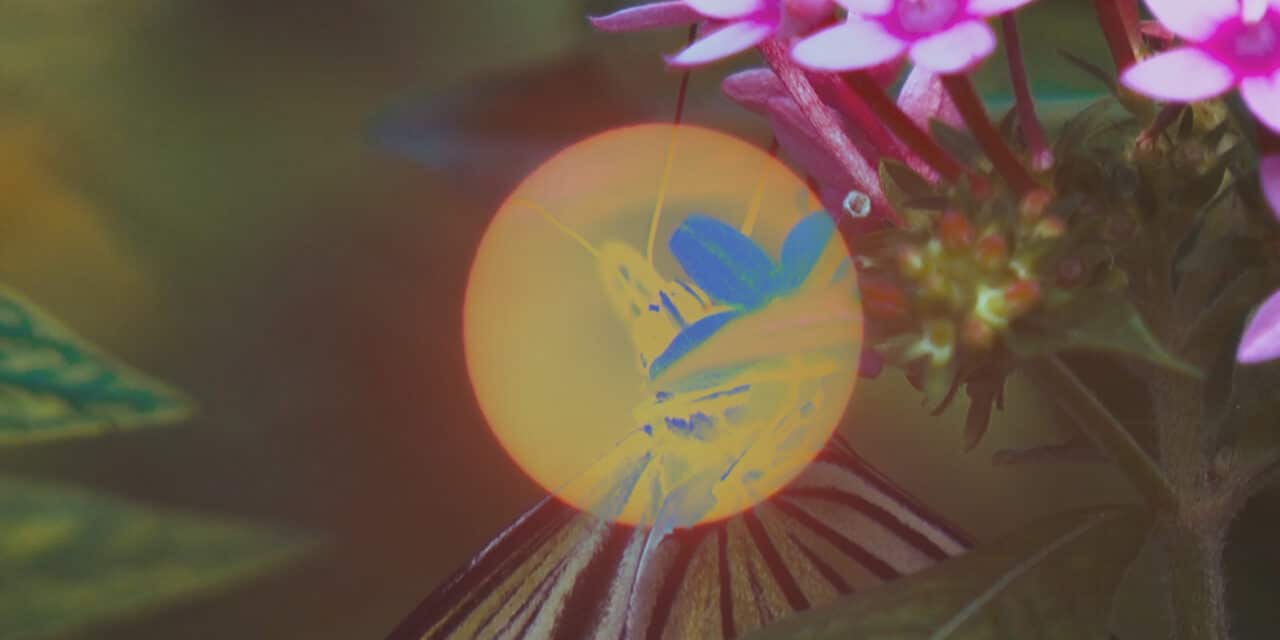
As part of the Vienna Climate Biennale 2026, KunstHausWien will be transformed into a place for reflection on loss and hope. Under the theme Unspeakable Worlds, the biennale brings together art, science, and society, opening up new perspectives on the climate crisis as a complex, globally intertwined phenomenon. The exhibition I Wish We Had More Time by the Institute of Queer Ecology combines ecological issues with social and emotional experiences.
In its first major solo exhibition, the collective explores the multifaceted dimensions of loss—ecological, social, and relational. It becomes clear that climate change not only alters landscapes, but also relationships between species, cultures, and memories. Disturbed symbioses in nature are reflected in a delicate balance between humans and the environment. At the same time, the exhibition addresses ruptures in queer historical and narrative traditions, for example in the context of social crises such as the AIDS epidemic, which have had a lasting impact on collective memory and cultural visibility. The Institute of Queer Ecology sees itself as a constantly evolving, collaborative organism.
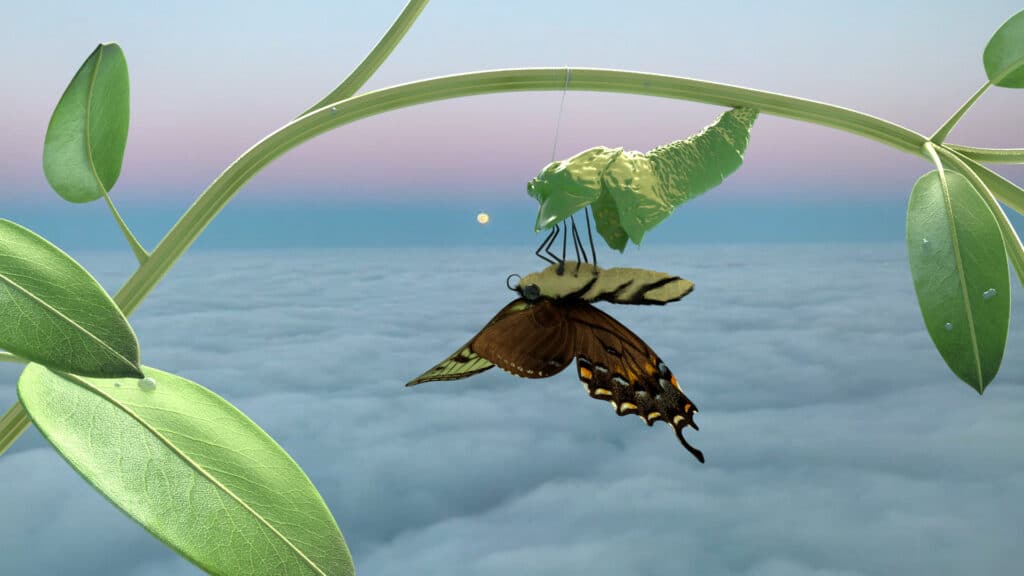
The Institute of Queer Ecology, still from Metamorphosis, episode 3: Emergence, 2020, courtesy of The Institute of Queer Ecology and DIS, New York
Based on the concepts of queer ecology, the collective explores connectedness beyond anthropocentric hierarchies. Human and non-human life forms are conceived as part of a shared ecological network in which intimacy, dependence, and coexistence play central roles. The aim is to design alternative models for the future that combine ecological and social justice. The site-specific installation works with poetic visual and spatial experiences that make the theme of loss accessible not only scientifically but also emotionally. Missed encounters, temporal shifts, and feelings of longing become central motifs. This creates narrative spaces about relationships between species, migration, adaptation, and the fragile balance of natural cycles. The exhibition is curated by Stephan Kuss and Veronika Hackl. It shows how contemporary art can serve as a platform for ecological and social reflection—and invites visitors to think about possible shared futures in which diversity, care, and interconnectedness take center stage.
April 10 to August 9, 2026
www.kunsthauswien.com
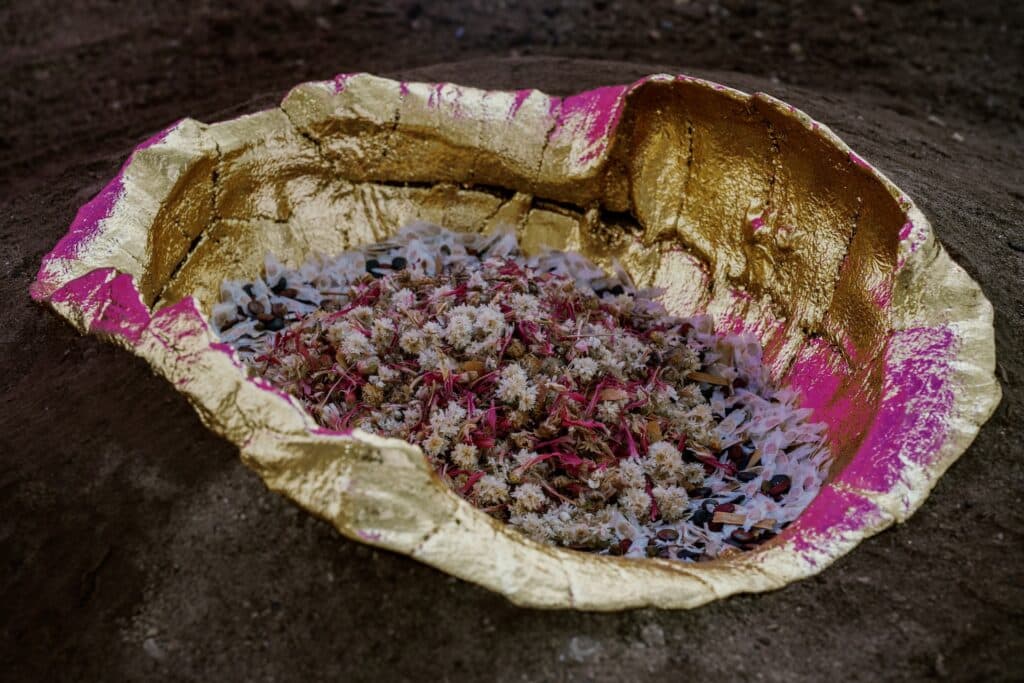
The Institute of Queer Ecology, Yesterday, Today, Tomorrow (Zapopan), 2025, exhibition view behind the arctic lies a paradise, MAZmueso, photo: Lazarillo/MAZ