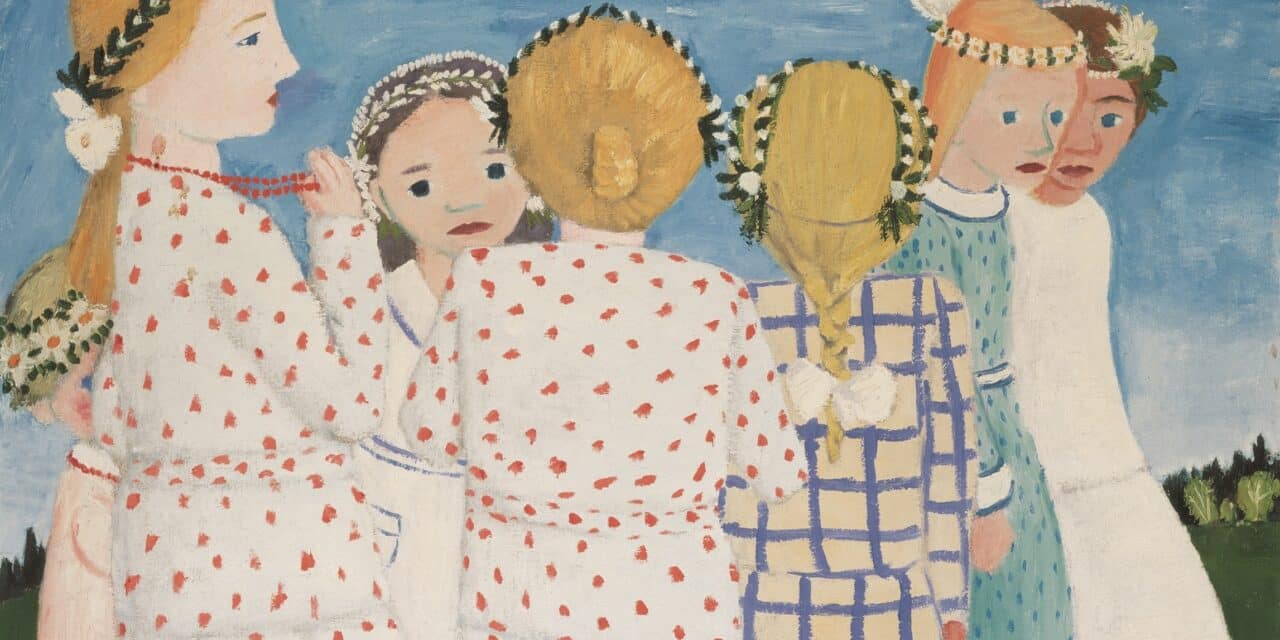
With the exhibition Mercedes Helnwein. Werner Berg. Alberto Giacometti – Three Worlds in Close Proximity, the Werner Berg Museum ventures a surprising and precise juxtaposition of three artistic positions that at first glance could hardly be more different. And yet they are connected by a common interest in insight: the intense, almost sociological penetration of a limited world – a microcosm in which human existence is exemplarily condensed.
Mercedes Helnwein (*1979) focuses her attention on the American way of life of the 1950s and 1960s. Suburban neighborhoods, living rooms, high schools, proms, and hospital rooms become stages for quiet irritations in her work. Seemingly harmless everyday scenes take on an eerie undertone that sharpens the viewer's awareness of social roles, collective rituals, and fragile interpersonal relationships. Helnwein's images speak of both closeness and alienation—with a keen sense for the abysmal in the ordinary.
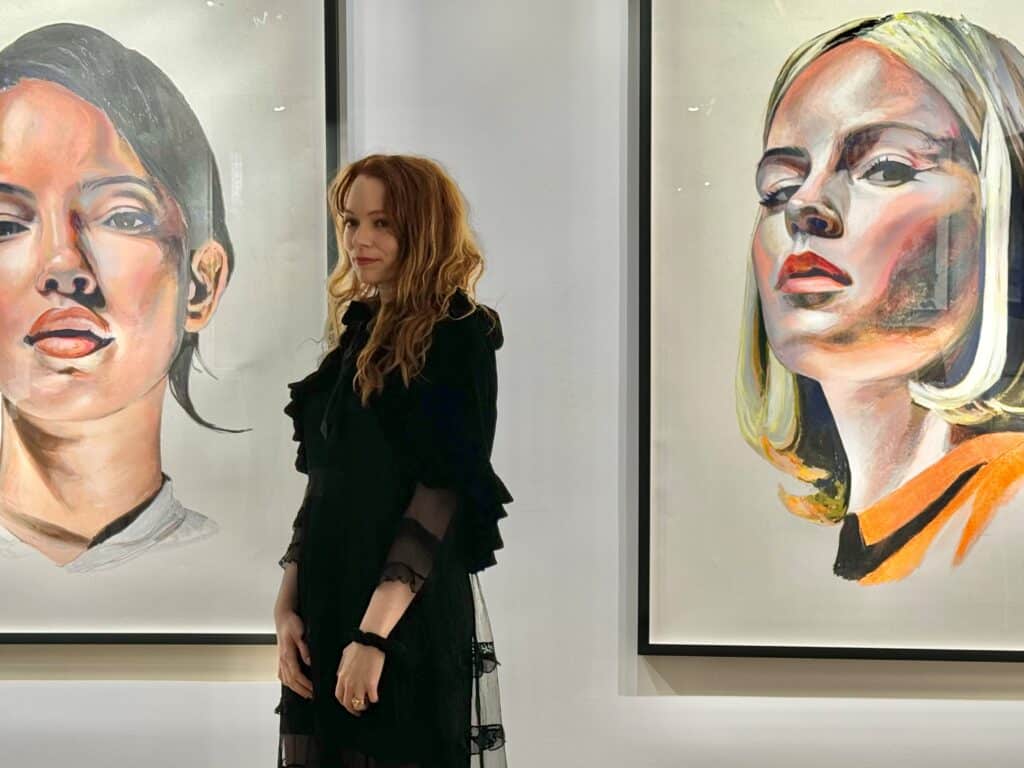
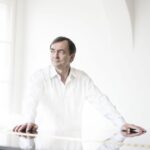
Mercedes Helnwein, photo by Harald Scheicher
Werner Berg (1904–1981), on the other hand, spent decades condensing encounters in rural southern Carinthia into timeless images of human existence. He often sketched markets, church festivals, taverns, or train journeys in a fraction of a second, later developing them into clearly structured compositions in his studio. The seemingly unspectacular "small world" of Lower Carinthia became for Berg a universal parable of human existence—concentrated, dignified, and of great formal clarity.
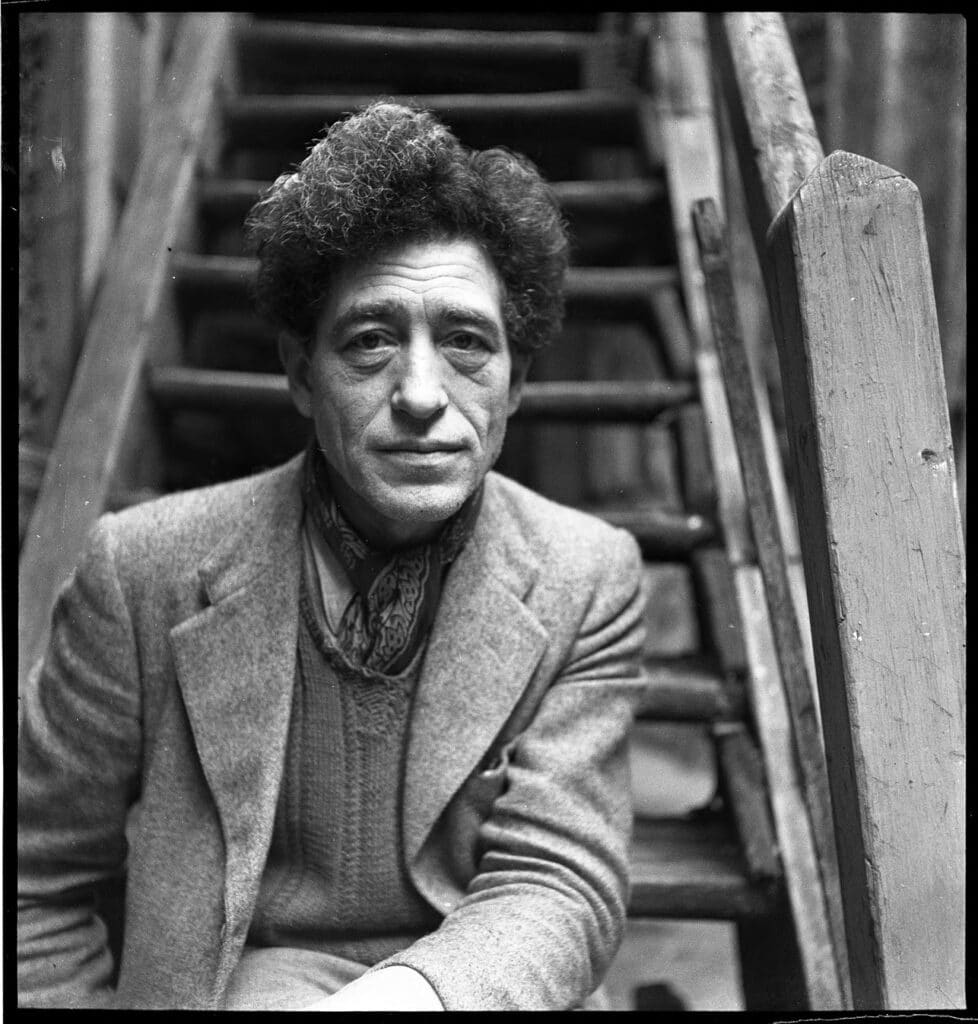
Alberto Giacometti, late 1940s, photo by Emmy Andriesse
Alberto Giacometti's (1901–1966) graphic cycle Paris sans fin opens up a third, urban microcosm. In 150 lithographs, he depicts the places and people that shaped his existence in the metropolis: studios, cafés, streets, automobiles, models. His encounter with the young Caroline in 1958 expanded his radius of action—drawing in a moving car, Giacometti re-explored the city. His characteristic intersecting lines condense the fleeting into the special, the approximate into existential precision. In the exhibition, selected works by the three artists enter into direct dialogue with one another in places. These encounters sharpen the eye for what connects them beyond stylistic and temporal differences: the focus on proximity, repetition, and observation as an artistic method. At the same time, the show offers an opportunity to rediscover Werner Berg's lifelong exploration of a limited world through numerous works that have not been shown before.
May 9 to November 8, 2026
The exhibition program is complemented by the sculpture garden featuring Hans Peter Profunser – Against the Current, as well as the Art Facade Campaign, which brings large-format works to the public space of Bleiburg/Pliberk – a unique feature that allows the museum to extend its influence beyond its walls.