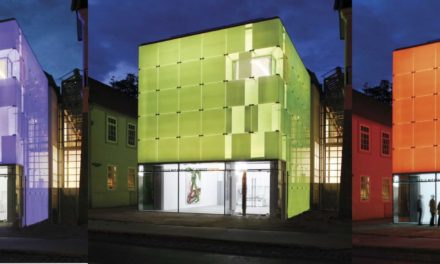
The Weserburg Museum of Modern Art is Bremen's home for international contemporary art. The Weserburg Museum of Modern Art offers an insight into international art in a variety of exhibitions, events, educational formats and scholarly publications. One focus is on high-quality positions of Fluxus and Nouveau Réalisme, Sound, Conceptual and Minimal Art - movements that shape the program in dialogue with the art of the 21st century. In addition to its decidedly international orientation, the Weserburg Museum of Modern Art is also committed to outstanding regional positions and the promotion of young talent. As a museum of the 21st century, the Weserburg Museum für moderne Kunst is a living organism that looks beyond the traditional tasks of a museum and is itself open to change. The Weserburg Museum of Modern Art is one of the leading museums of contemporary art in Germany.
Cold as Ice. Cold in art and society
Cold means low outside temperatures as well as emotionlessness, a lack of empathy and a lack of solidarity. In this context, cold can become an artistic means of depicting and criticizing social conditions. But what about the idea of artistically focusing on the actual state of coldness in society today? What images do international artists find in the face of the overlapping global crises we are confronted with? In the face of discrimination and destruction, lies and hatred and thus processes of desolidarization that manifest themselves along violent power hierarchies and determine our coexistence?
The artistic works in Cold as Ice. Cold in Art and Society focus on the existential dimension of cold. Warmth is a basic human need, a prerequisite for well-being and health. Its absence has serious consequences: A lack of social cohesion, increasing alienation, indifference, loneliness, violence. The exhibition presents artistic images of an increasingly chilly social climate, bringing together works that address (politically) frosty times, but also conjure up resistance and the counter-image of change and solidarity.
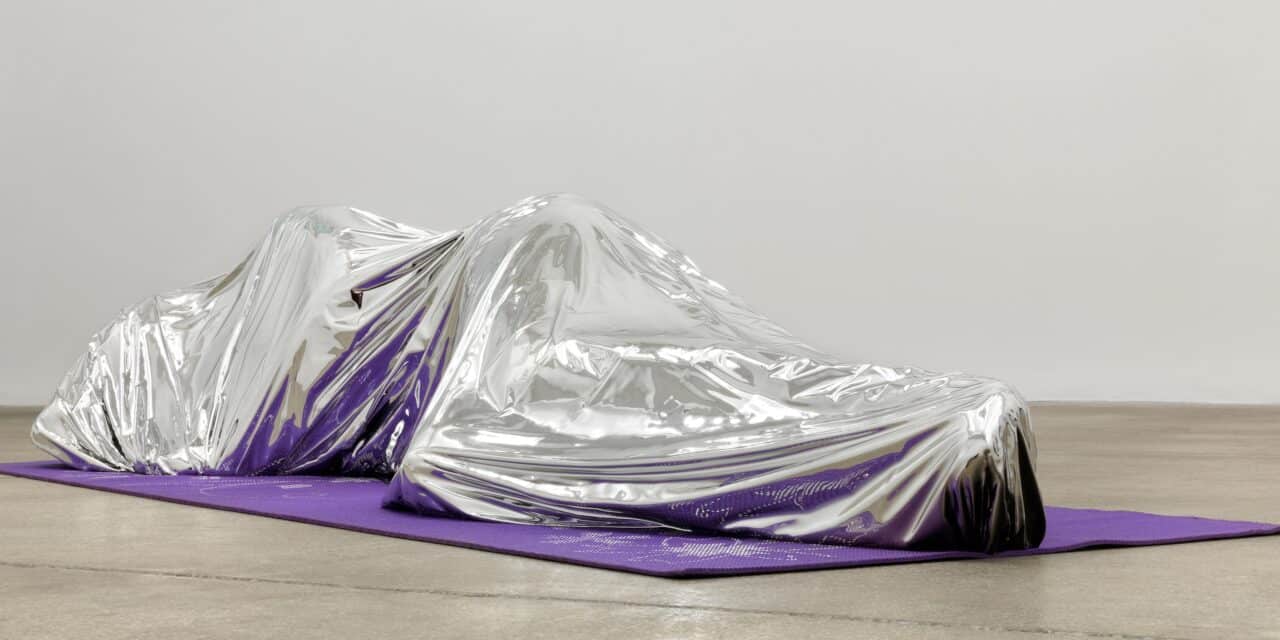
Shilpa Gupta, Untitled, 2020-21, S-Collection, © Shilpa Gupta, Courtesy the artist and neugerriemschneider, Berlin
The 800-square-metre exhibition features expansive installations, video works, sculptures, photographs, drawings, audio works and paintings, as well as performances and participatory formats. Renowned artists from an international context, many of whom are being shown in Bremen for the first time, will stand alongside positions yet to be discovered. There will also be several new productions.
Participating artists:
Bani Abidi, Véra Marie Deubner, Nezaket Ekici, Dani Gal, Mark Grotjahn, Shilpa Gupta, David Hammons, Anna Jermolaewa, Kirsten Justesen, Šejla Kamerić, Jana Sophia Nolle, Philippe Parreno, Bunny Rogers, Walter Swennen, Sung Tieu, Klaus Weber, Guido van der Werve, Hannah Wolf and others.
September 20, 2025 until March 15, 2026
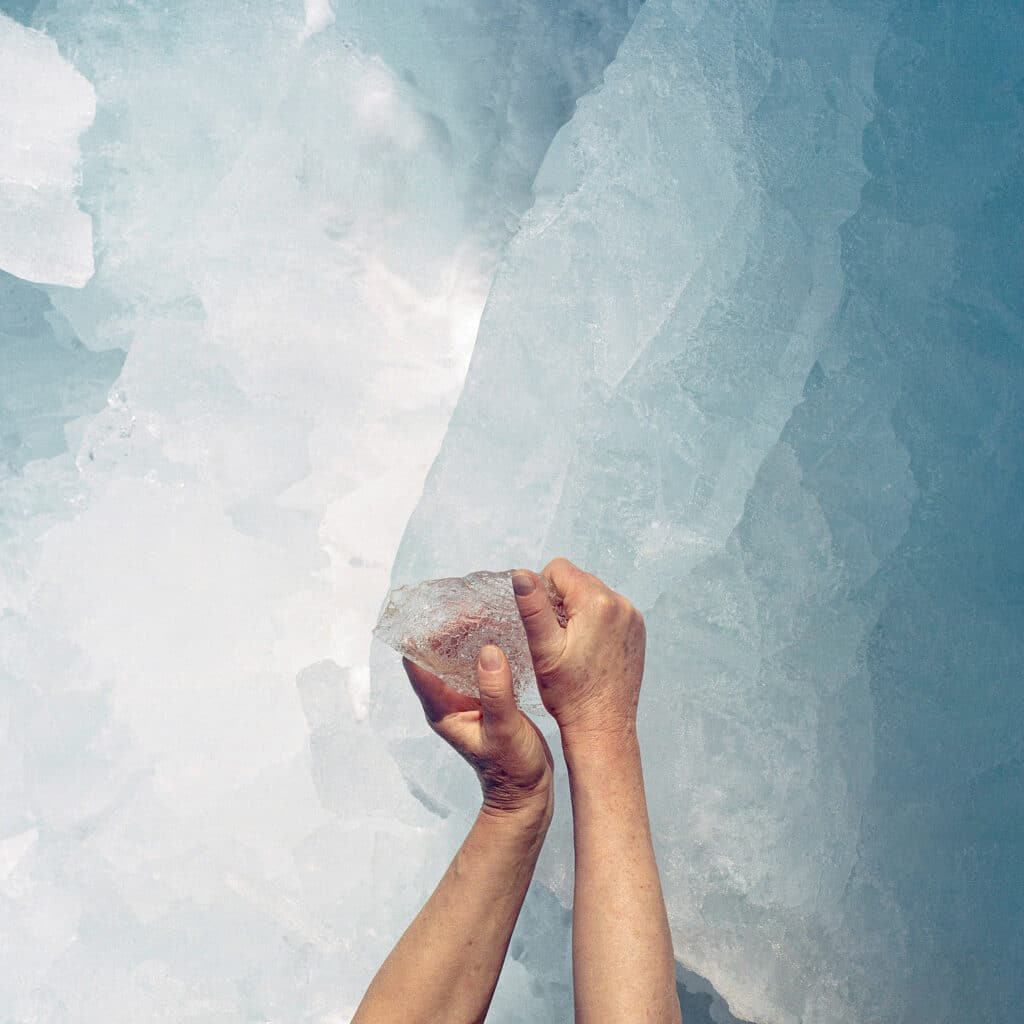
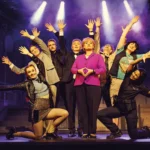
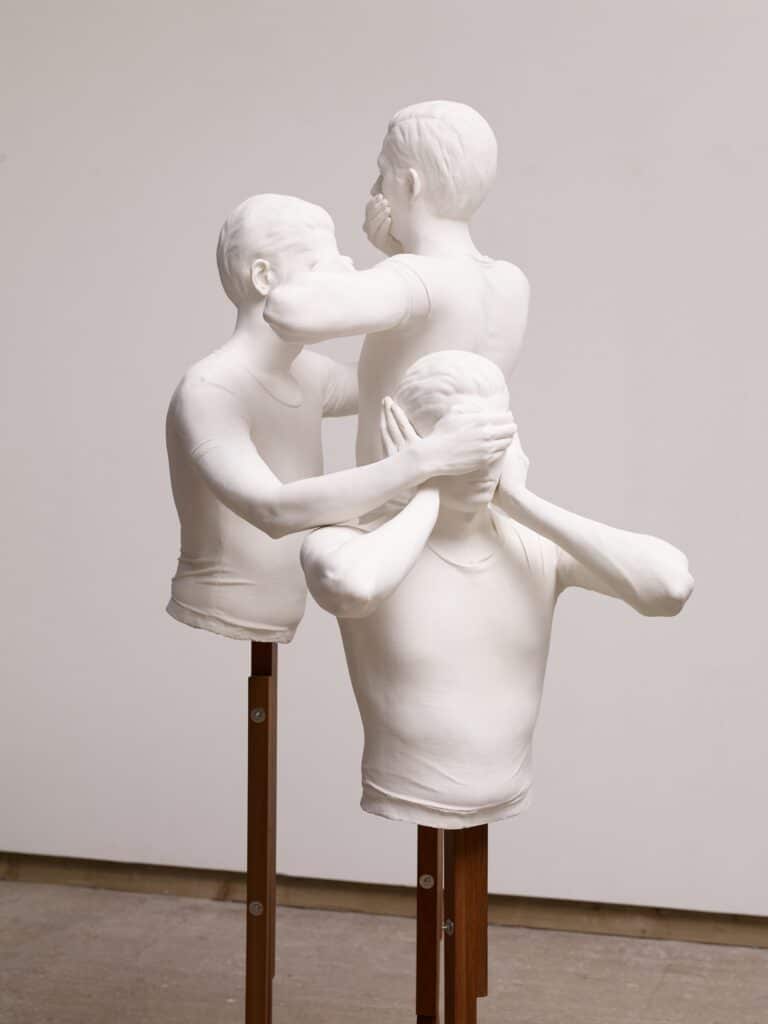
Kirsten Justesen, Manual for Hands #6, 2000 © Kirsten Justesen © VG Bild Kunst, Bonn 2025
Permanent exhibition: The way we are
With a total of over 200 works by 100 artists and groups from different periods and contexts, there are plenty of discoveries to be made in the collection exhibition Just as we are. Thematic areas and artist spaces formulate a variety of different settings from the 1960s to the present day on 2,500 square meters.
There are spaces on political, contemplative or humanly reshaped landscapes, on images of Germany, on love with all its clichés, on gender and cultural identities, on public space, but also on the concept of painting, vertical form or the diversity of blackness. Artist rooms on Mel Chin, Anna Ehrenstein, Isa Genzken, Norbert Schwontkowski and Sibylle Springer present different artistic approaches in a concentrated manner. The focus is on art historical issues as well as socio-political discourses. A common thread running through the exhibition is the potential of art to develop resistant views of the familiar, to adopt surprising perspectives on what connects us all, and thus to offer exciting, unusual, clever, humorous, poetic or unsparing foundations for approaching the big questions of our time through art.
www.weserburg.de
www.weserburg.de
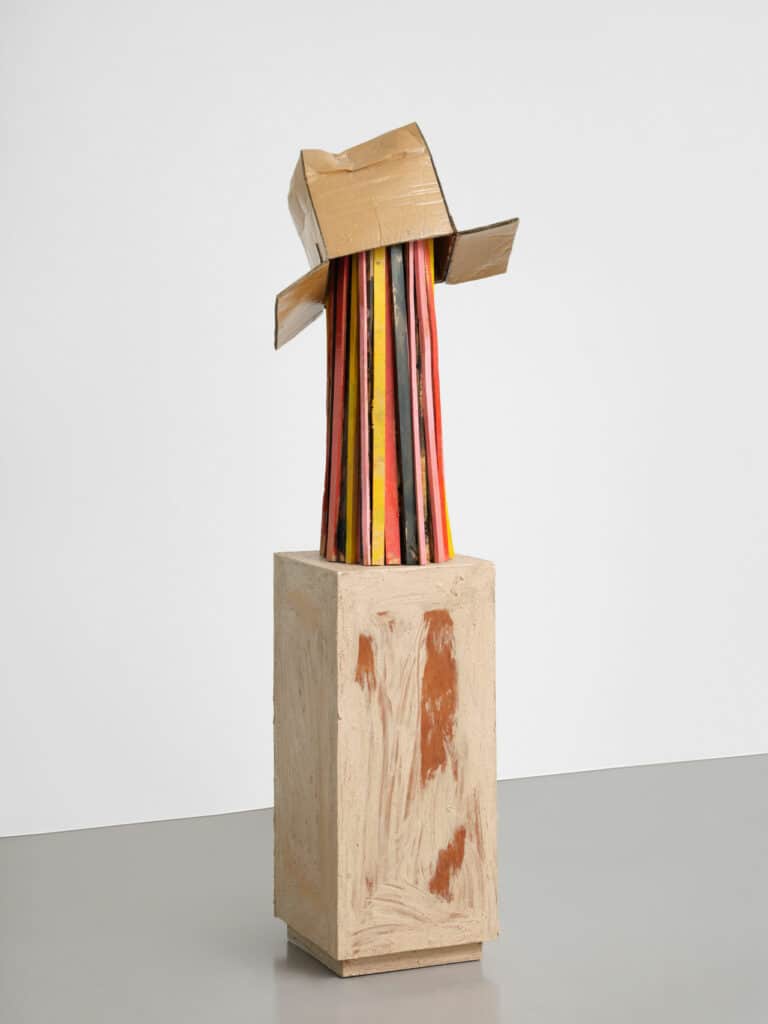
Just as we are: Phyllida Barlow, untitled, veniceboxonsticks, 2016-2017, photo Tobias Hübel