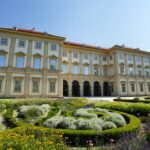
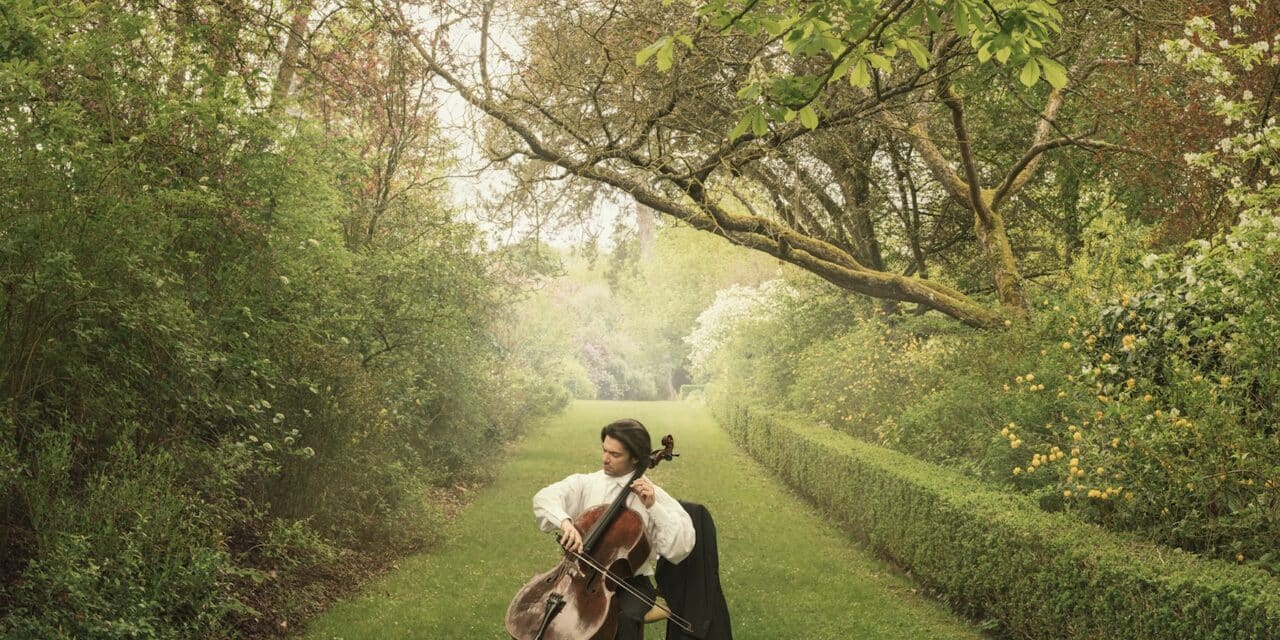
When the 20th Grafenegg Festival opens its doors on August 14, 2026, the historic landscape garden surrounding Grafenegg Castle will once again become a sounding board for international music history—and, until September 6, a meeting place for the most outstanding orchestras, conductors, and soloists of our time. For the twentieth time, nature, architecture, and sound will merge here to create that unmistakable festival experience that has long made Grafenegg an international beacon.
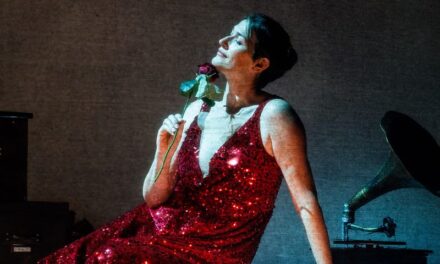
Another building block in this success story is now shining brightly in this anniversary year: the Rudolf Buchbinder Hall, located on the upper floor of the riding school, with a sweeping view over the castle park. As Grafenegg's newest venue, it complements the Wolkenturm, Auditorium, and Schlosshof with a place of concentration and intimacy—a space for fine acoustic nuances as well as innovative multimedia projects. The fact that Joyce DiDonato can be experienced here with the staged project Emily—No Prisoner Be programmatically refers to the openness of this festival.
What began twenty years ago as a bold vision has developed into a celebration of diversity. Grafenegg does not think of music in terms of categories, but in terms of dramatic arcs: from solo recitals, chamber music, and lieder to large choral-orchestral works and concertante opera, from popular solo concerts to world premieres of contemporary music. Olga Neuwirth and Georg Friedrich Haas, two of the most important composers of our time, are shaping the anniversary year—as creative catalysts between radical sound research and expressive depth.
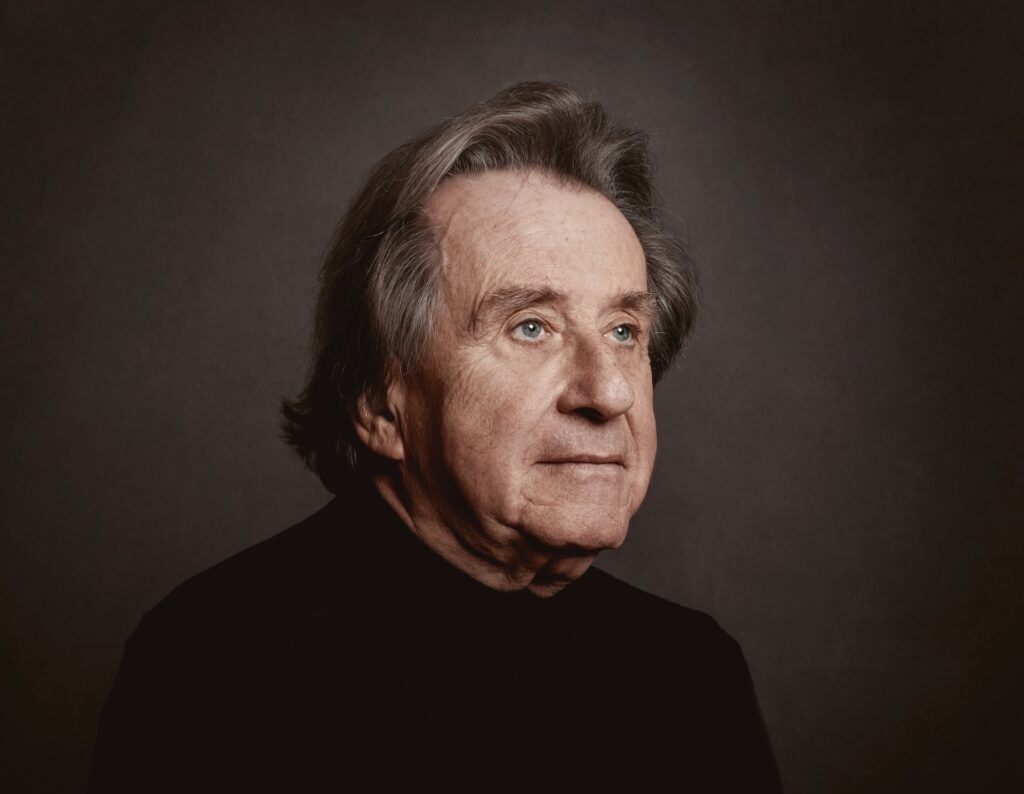
Rudolf Buchbinder © Rita Newman
The festive opening on August 14 will be performed by the Philharmonia Orchestra London under Cristian Măcelaru, together with festival director Rudolf Buchbinder, the Vienna Singverein, the Vienna Choir Girls, Nikola Hillebrand, Nicholas Phan, and Germán Olvera. Beethoven's Choral Fantasy and Orff's Carmina Burana send a powerful message: music as a communal event.
This will be followed by four weeks of world-class orchestral music: the European Union Youth Orchestra with Gustavo Gimeno, the Israel Philharmonic Orchestra with Lahav Shani, who will later return to conduct the Munich Philharmonic; the Royal Concertgebouw Orchestra under Santtu-Matias Rouvali, the Vienna Philharmonic with Tugan Sokhiev, the Mahler Chamber Orchestra with Yuja Wang and Teddy Abrams, the Danish National Symphony Orchestra with Fabio Luisi, the Festival Strings Lucerne with Daniel Dodds – and finally the Orchestra Giovanile Luigi Cherubini, which concludes the festival under Riccardo Muti.
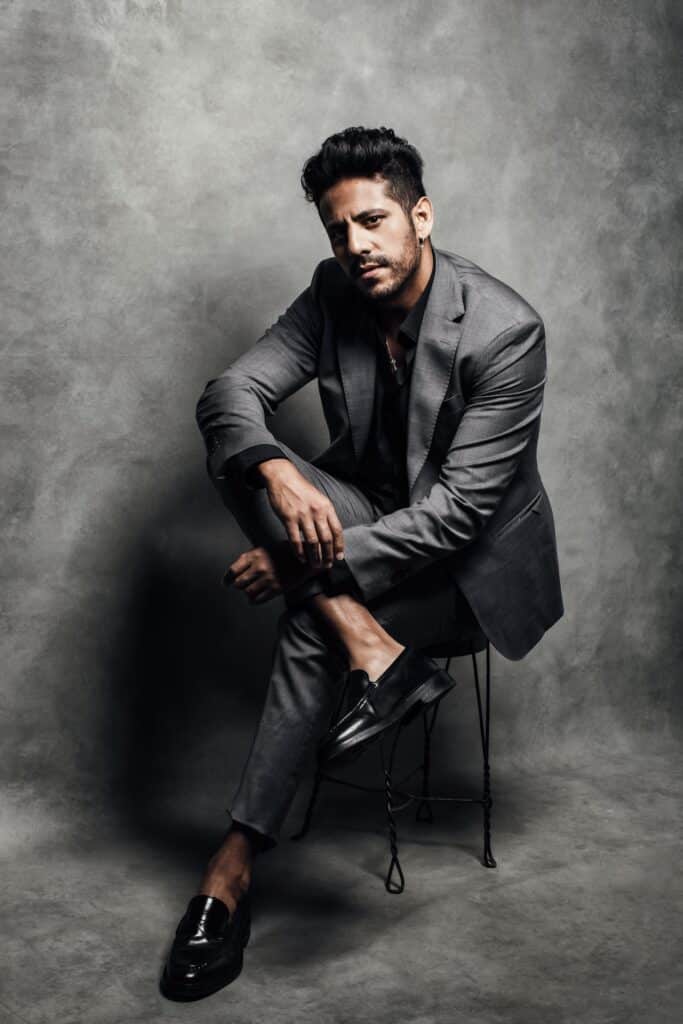
German Olvera © Jesús Cornejo
Opera is also an integral part of this anniversary. The Bayreuth Festival Orchestra returns to the Wolkenturm with Pablo Heras-Casado and scenes from Parsifal, with Andreas Schager in the title role. The Tonkünstler Orchestra of Lower Austria presents Korngold's Die tote Stadt in concert form – with Camilla Nylund, Eric Cutler, and Samuel Hasselhorn, conducted by Axel Kober. In addition, the resident orchestra will be responsible for the premiere of Olga Neuwirth's Zones of Blue and the world premieres of the Composer-Conductor Workshop Ink Still Wet.
Solo highlights will be provided by artists such as Martha Argerich, Piotr Beczała, Gautier Capuçon, Martin Fröst, Alexandre Kantorow, Anneleen Lenaerts, Víkingur Ólafsson, Daniil Trifonov, Jörg Widmann, and Gregor Zeppenfeld, as well as the 12 cellists of the Berlin Philharmonic and the Capucelli Ensemble.
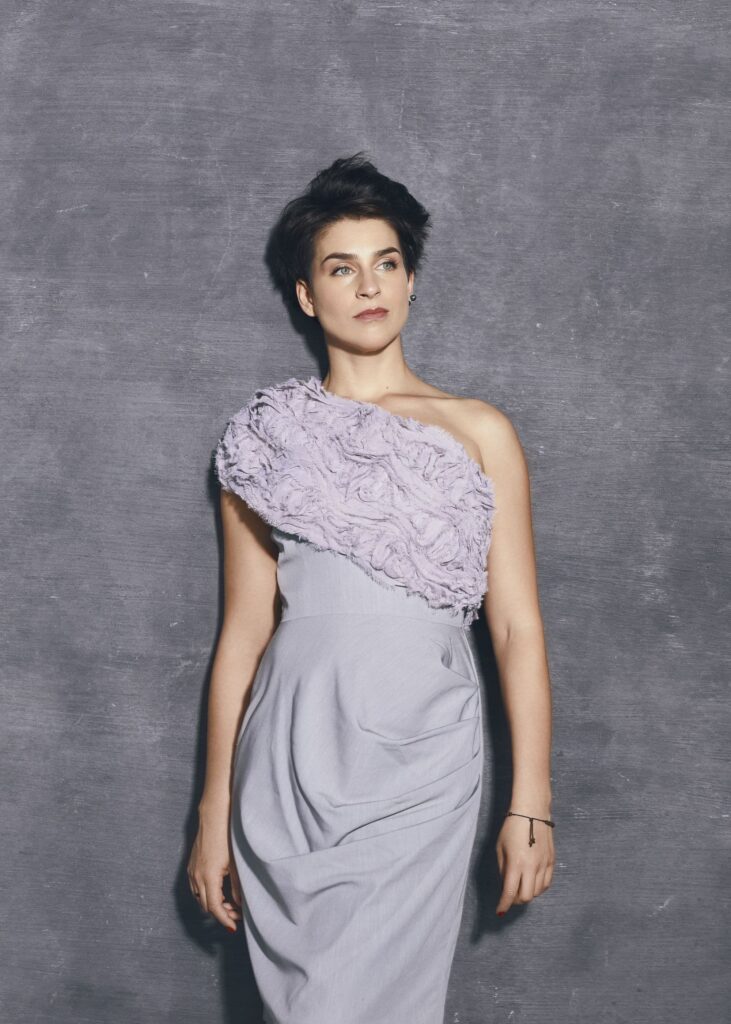
Asmik Grigorian © Algirdas Bakas
In a concert conducted by Fabien Gabel, Asmik Grigorian shines with arias by Bellini and Strauss, providing a vocal highlight of the festival. The program is rounded off by Prélude concerts, late-night sessions, and informative introductory lectures—signs of a festival that takes its audience seriously and invites them to listen more deeply.
The summer season will already be getting into the spirit of the anniversary in June: from the festive Summer Night Gala to Summer Sounds, Spanish Nights, Broadway Melodies, Horn Sounds with Sarah Willis, the collaboration between Georg Friedrich Haas and the Grafenegg Academy, and a brilliant finale with the Philharmonix.
Twenty years of Grafenegg are more than just a retrospective. They tell a story of continuity and renewal, of big names and new voices—and of a place where music is not only heard, but experienced.
August 14 to September 6, 2026
www.grafenegg.com