With its 2026 annual program, mumok – Museum of Modern Art Ludwig Foundation Vienna, under the direction of its new director Fatima Hellberg, is sending a clear message: the focus is not on the autonomous work of art, but on the relationship that develops between the work and the viewer. The museum is conceived as a space for experience—a place where perception is transformed, attention is demanded, and complexity is not reduced but allowed to remain.
Hellberg’s approach conceives of a visit to the museum as a process. Exhibitions, architectural interventions, and the program of events are not conceived as separate levels, but rather as intertwined. Particular emphasis is placed on making artistic processes visible: art does not appear as a finished object, but rather as something that is actualized at the moment of encounter. “Seeing is not a neutral act,” Hellberg programmatically states. The relationship between artwork and audience is situational, physical, and political—a form of participation that implies responsibility. This attitude has given rise to an annual program that understands the mumok collection not as a static inventory but as a space for resonance. It becomes a starting point for shifts in perspective and new interpretations, for questions about how art is connected to its time—and how this connection can be reinterpreted again and again.
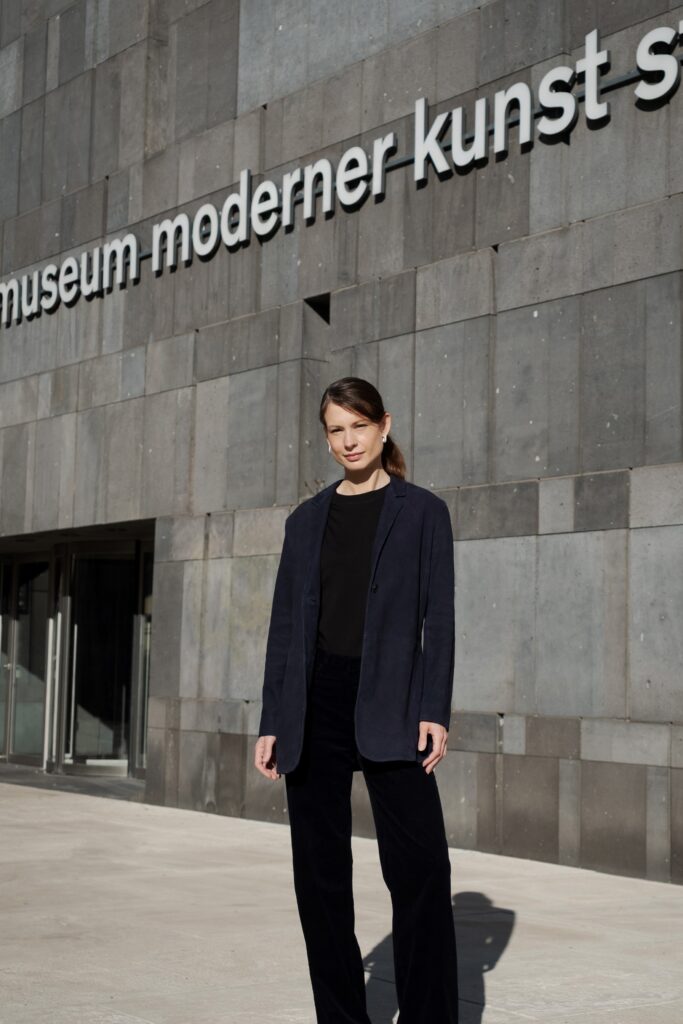
Fatima Hellberg © mumok
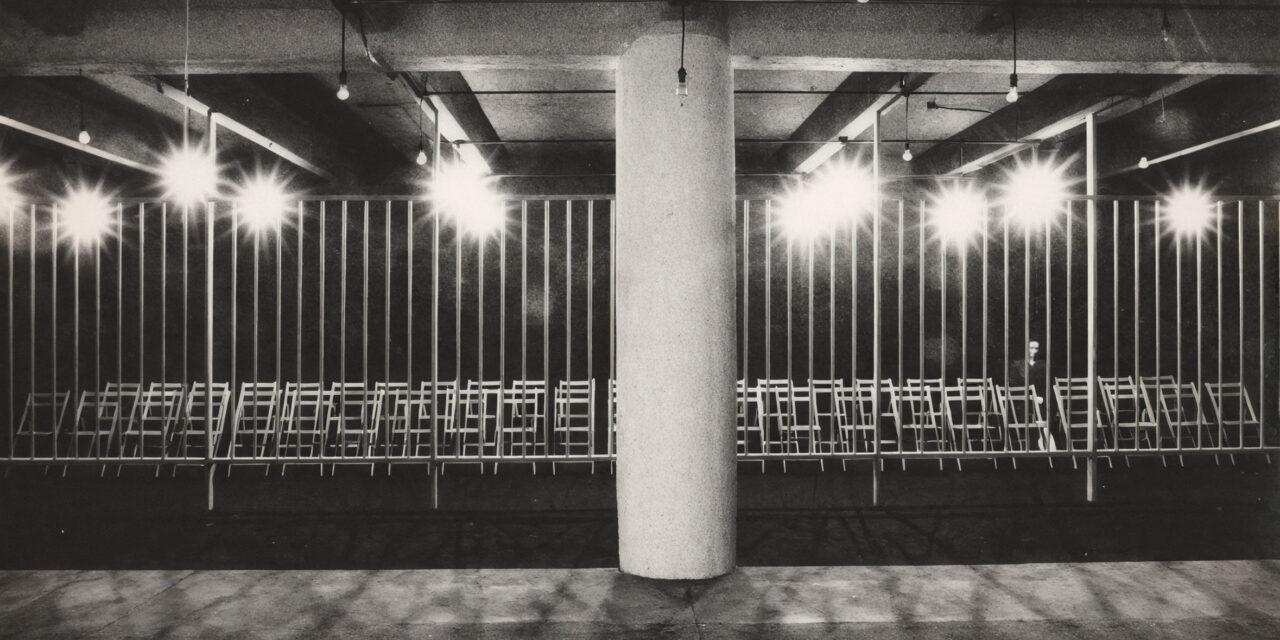
The programmatic kick-off will take place on June 20, 2026 , with the exhibition Terminal Piece, which will extend across five floors of the building. Conceived as a sequence of acts, it transforms each floor into its own scene. Entanglement and complicity, presence and participation, shifts in perspective and position: the exhibition explores those moments in which meaning does not lie in the work itself, but only arises in the encounter. The starting point is the installation of the same name by Kate Millett from 1972—also the first purchase under Hellberg's direction. Terminal Piece is both a stage and a cage, a work that must be entered and eludes detached observation. It makes observation itself the subject and reveals power relations, visibilities, and responsibilities that often remain invisible in everyday museum life.
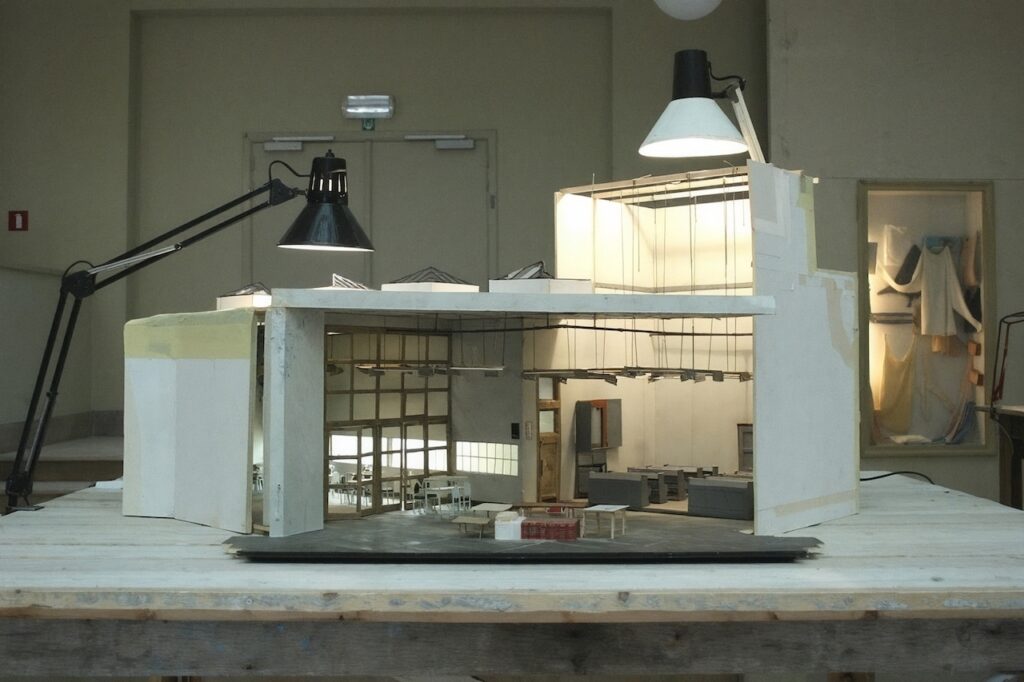
Anna Viebrock, model for a stage set, 2003, photo: Anna Viebrock
The exhibition combines key works from the mumok collection with new works and external loans. Positions by Lutz Bacher, Jean Fautrier, Francis Picabia, Cora Pongracz, Rudolf Schwarzkogler, and Cy Twombly enter into dialogue with rarely shown works by Magdalena Abakanowicz, Stefan Bertalan, and Emmanuel Sougez. Many of these works are performative in nature—they only unfold in the face of the viewer and demand the active presence of the observer. A striking intervention is the comprehensive room installation by stage designer Anna Viebrock on the ground floor. It intertwines public zones with otherwise hidden areas of the museum: depot, infrastructure, and exhibition space enter into a productive tension. The collection appears not as a closed archive, but as a living structure that is constantly reforming itself through the presence of visitors.
With its 2026 program, mumok positions itself as a place of conscious seeing—as a museum that does not provide answers but creates relationships. It invites visitors to renegotiate their own role in the structure of art, space, and perception.
June 20, 2026, to February 7, 2027
www.mumok.at
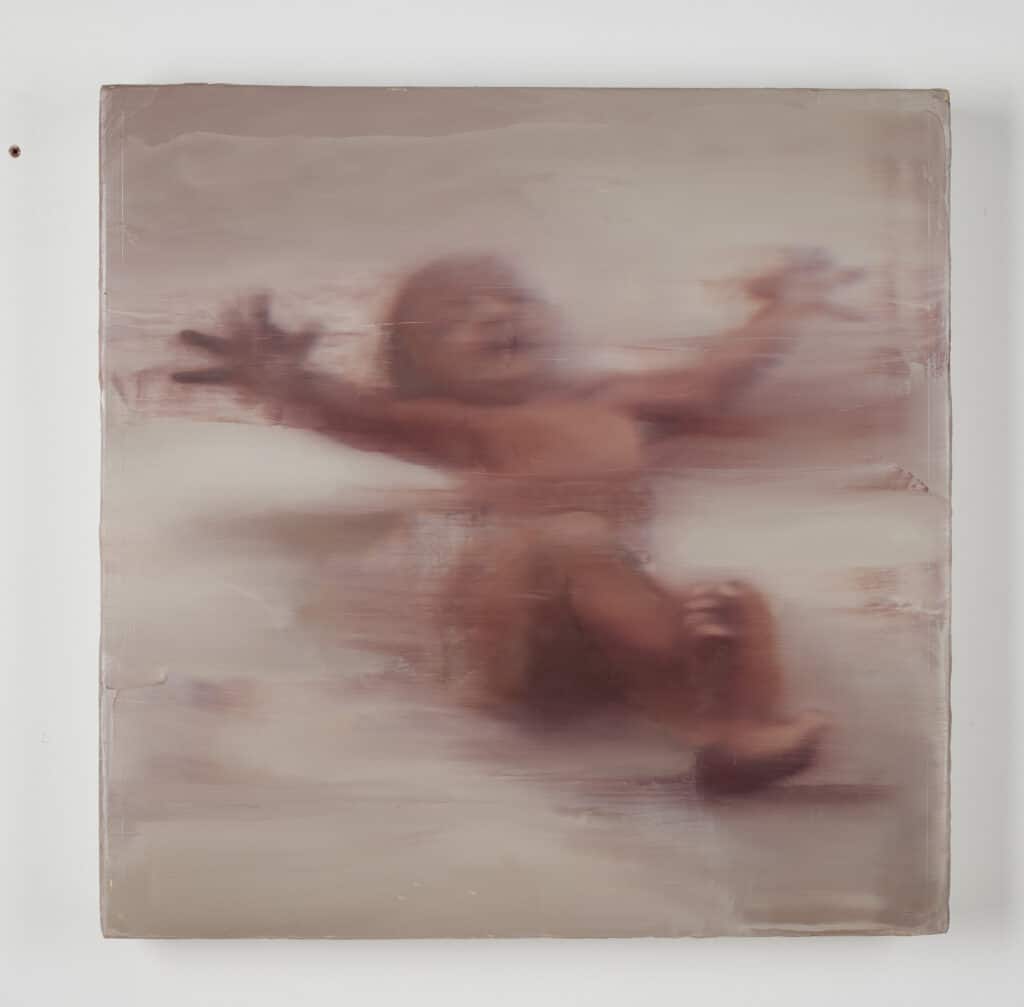
Ull Hohn, Untitled, 1991, 4-part series, oil on wooden box, mumok – Museum of Modern Art Ludwig Foundation Vienna, acquired with the support of the Society of Friends of the Fine Arts, 2022 © Ull Hohn