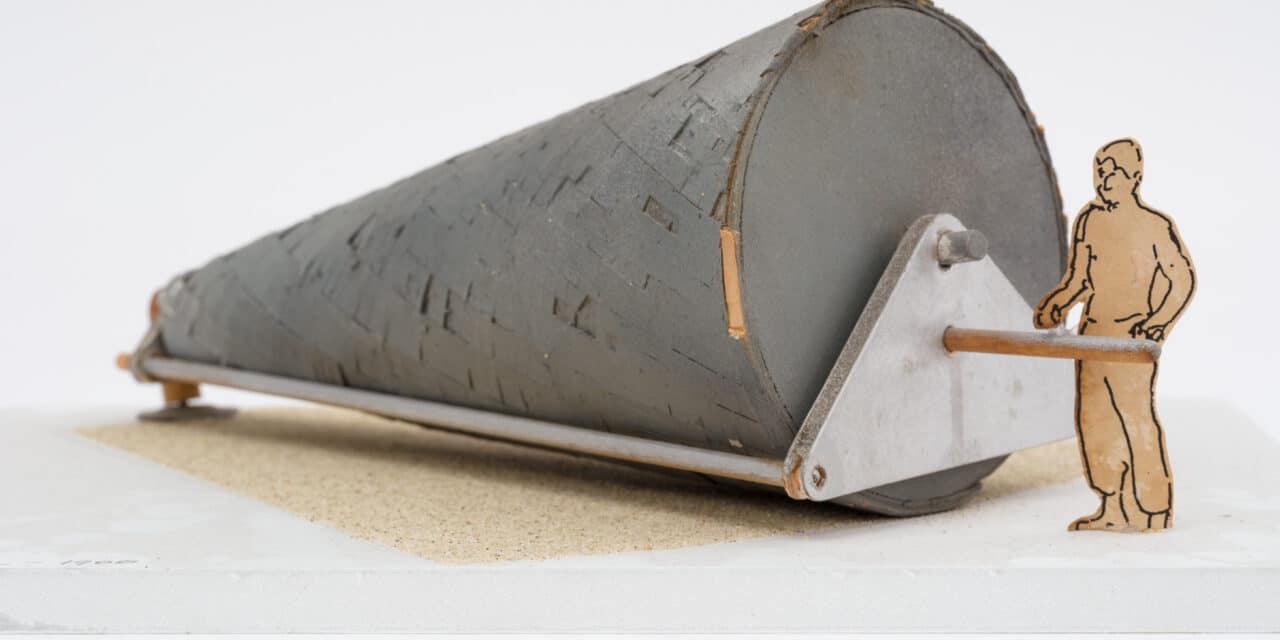
With Nature Never Loses, the Museum Tinguely is dedicating a comprehensive retrospective to one of the most unconventional and at the same time most visionary protagonists of the American art scene. Carl Cheng, born in San Francisco in 1942 and active in Santa Monica since the 1960s, is one of the pioneers of an artistic way of thinking that interweaves technology, nature, social upheaval and humorous criticism. His works, which are being shown for the first time in this breadth in Europe, tell of a decades-long struggle with the effects of human activity - and the indomitable power of nature.
Cheng's artistic development began in an atmosphere of political unrest, the aerospace race and a young art scene that fearlessly experimented across disciplines. Early on, he explored the boundaries of sculpture and photography and developed machines, tools and "artificial ecosystems" that make natural phenomena visible - or simulate them. His so-called Art Tools produce fleeting traces, images or structures that change in real time. They are not devices in the technical sense, but models for thinking: machines that show how nature works and what happens when humans try to control it.
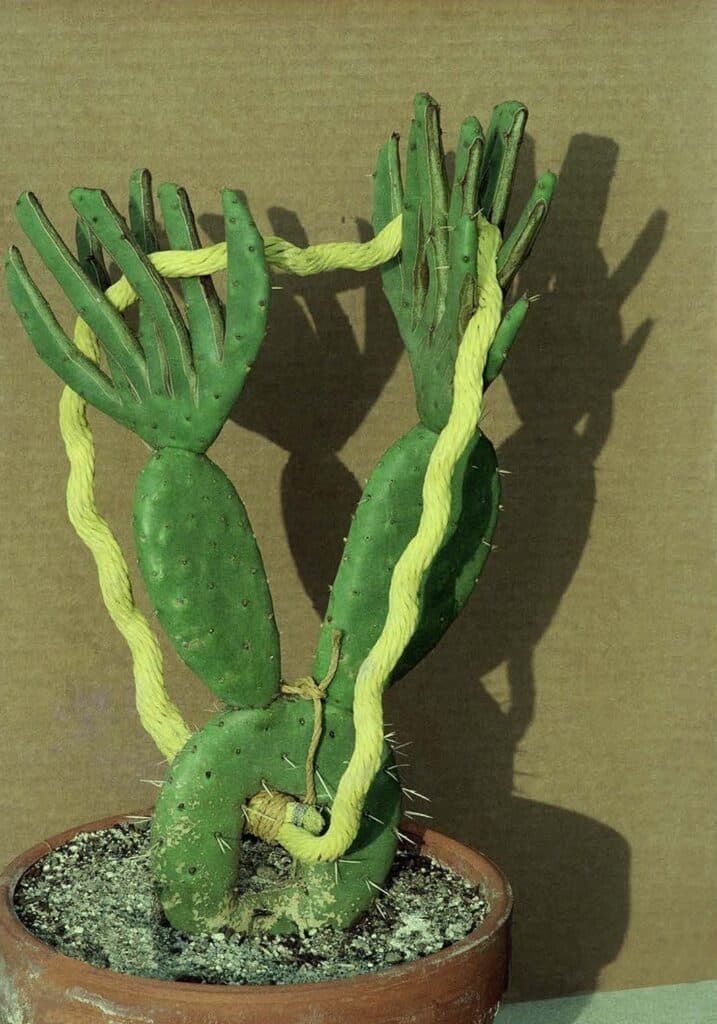
Carl Cheng, California Bonsai Laboratory, 1966-1990, Photographic documentation Copyright: © Carl Cheng
One of Cheng's most spectacular interventions is the Santa Monica Art Tool (1983-1988). Pulled across the beach by tractor, it left a three-dimensional miniature cityscape in the sand, which he ironically called Walk on LA. Such works share a deep fascination for the formative forces of nature - and the certainty that human intervention only has a temporary effect. The next gust of wind, the next wave will erase the traces. It was precisely in this that Cheng saw a truth that accompanied him throughout his life: nature never loses.
From 1966, he ran his studio under the ironic name John Doe Co. - a commentary on the commercialization of art and the social attributions that shaped him as an Asian-American artist in the climate of the Vietnam War. Under this "company", he produced objects that looked like consumer products but parodied technological utopias and economic systems. The central question was always: What does progress mean - and for whom?
At Museum Tinguely, Cheng's work now unfolds as a polyphonic landscape of machines, materials and poetic observations. Despite all the criticism, despite all the warnings, a quiet hope always resonates in it: nature remains, it regenerates, it responds - and sometimes it even laughs back.
December 3, 2025 to May 10, 2026
www.tinguely.ch
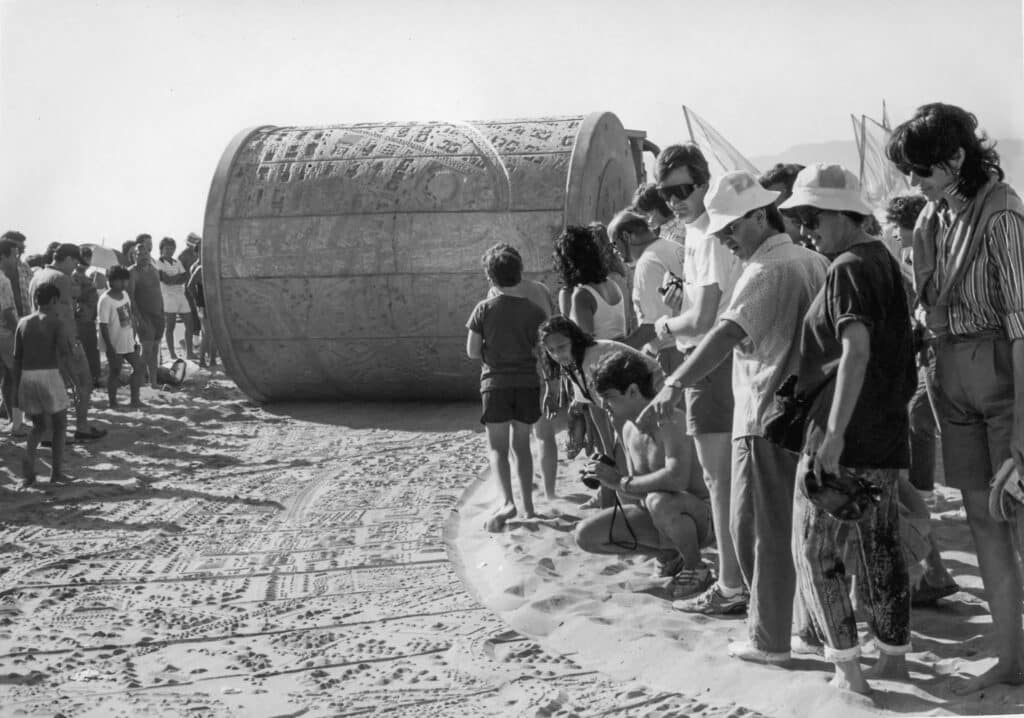
Carl Cheng, Documentation of Carl Cheng's Santa Monica Art Tool and its installation Walk on LA, 1988, Santa Monica State Beach Copyright: © Carl Cheng