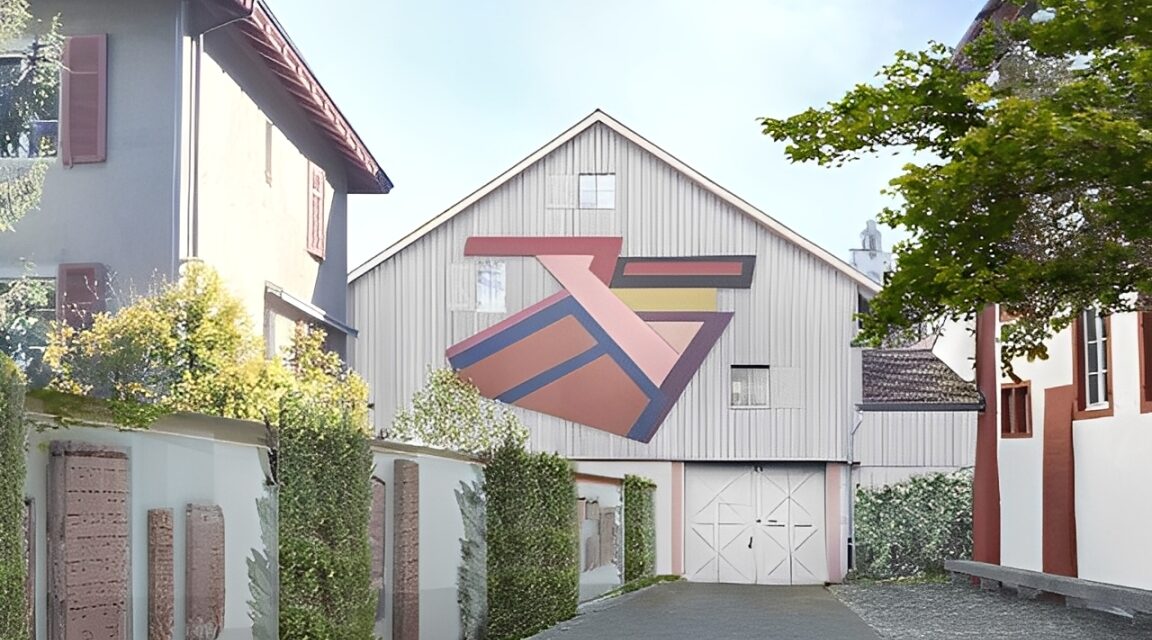
Between ritual and memory, religion and everyday life: the Jewish Museum of Switzerland in Basel tells of over two thousand years of Jewish culture - and how history and the present are inextricably interwoven.
The Jewish Museum of Switzerland, founded in 1966, was the first of its kind in the German-speaking world. Since then, it has dedicated itself to making Jewish life visible in all its diversity - not as a closed tradition, but as a living culture that is constantly renewing itself. In the heart of Basel's old town, not far from the medieval city walls, the museum invites visitors to discover traces of Jewish history that have become deeply inscribed in Europe's cultural identity.
The collections include ritual objects, precious Judaica, manuscripts, paintings and evidence of everyday life. Together they tell of religion and family, celebration and remembrance, migration and belonging. In the exhibition rooms, visitors encounter Torah jewelry from the Renaissance as well as modern works of art, liturgical textiles, photographs and personal mementos. Each object carries a story - of faith and loss, of new beginnings and survival.
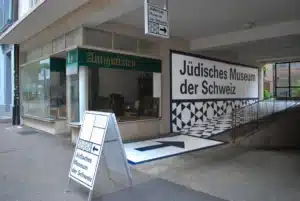
Entrance to the Jewish Museum Switzerland © Emphase Sàrl
In addition to the historical collections, the museum is increasingly dedicated to communicating Jewish culture today. Changing exhibitions focus on current issues of identity, remembrance culture and intercultural dialog. This creates a lively place for reflection, encounters and exchange - open to all who are curious about the multi-layered world of Jewish life.
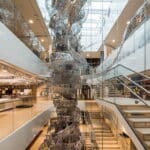
The building also builds architectural bridges between past and present. The new museum rooms in Vesalgasse combine historical building fabric with modern clarity - a symbol of what this museum is at its core: a place of openness, dialog and continuity.
Visitors to the Jewish Museum of Switzerland experience not just a history show, but a living cultural memory. It is a reminder of the diversity of Jewish lives - and shows how closely they are interwoven with European cultural history. The museum thus becomes a place where history does not end, but continues to have an impact - quietly, poignantly and deeply human.