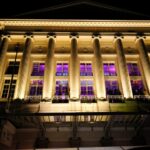
With its Art Nouveau façade, three stages and over 500 years of theatrical tradition, Theater Lübeck is a cultural beacon of the Hanseatic city - a house in which architecture, music and drama merge vividly.
Theater Lübeck is located on the centrally located Beckergrube and today combines three venues in one building: the main auditorium, the Kammerspiele and the Studio. Large-scale operas and musical theater productions are shown in the Grosses Haus with around 800 seats; the Kammerspiele offers space for drama productions in a more intimate setting, while the Studio can be used flexibly for experimental formats.
The current theater building was opened in 1908 in Art Nouveau style according to designs by Martin Dülfer and is considered one of the most beautiful theater buildings in northern Germany. The sandstone façade is adorned with a relief: Apollo and the nine muses, comedy and tragedy are central motifs of the artistic exterior. The building is therefore not only a stage, but also an architectural monument in its own right. Theater performances have been part of Lübeck's cultural landscape for over 500 years. Performances have been taking place at the Beckergrube for around 250 years - today's building follows a long tradition that ran through predecessor buildings such as the Casino Theater and earlier theaters. Thomas Mann also referred to this history in his novel Buddenbrooks.
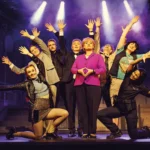
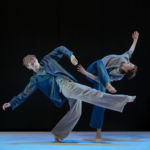
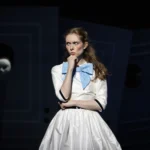
The theater's offerings are diverse: opera, musical theater, drama, concerts with the philharmonic orchestra and youth formats. Numerous awards testify to its high artistic quality and strong regional significance. Lively theater life, high-quality equipment and a clear architectural character make Theater Lübeck a Sightseeing ction - not only for those interested in culture, but for everyone who wants to experience architecture and the scene.