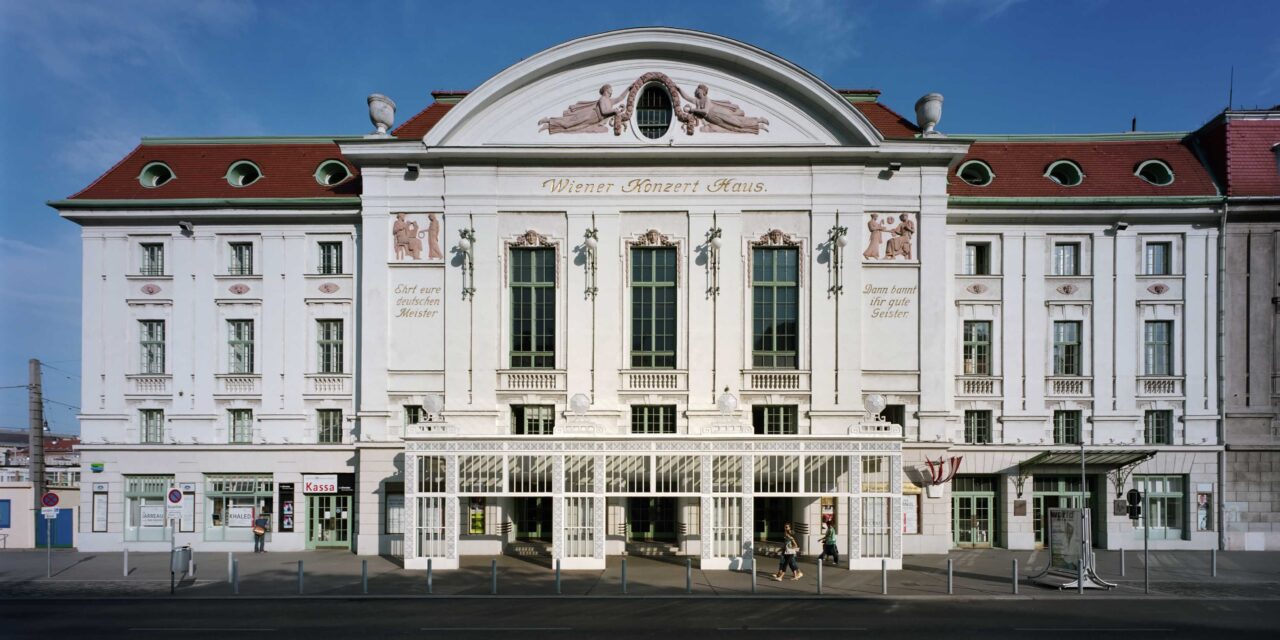
The Wiener Konzerthaus enjoys a unique reputation as a venue that is based on three merits: engaging with tradition in a lively way, tapping into new audiences with a bold program and being open to new developments. These virtues have accompanied the Konzerthaus since its beginnings.
The Wiener Konzerthaus sees itself as "a house for everyone".
When people in Vienna dreamed of a future home for music festivals in 1890, they planned a multi-purpose building that would appeal to broad sections of the population - in contrast to the traditional Musikverein. The first idea came from the architect Ludwig Baumann: his "Olympion" was to contain rooms for concerts, an ice skating club and a bicycle club and offer space for a total of 40,000 people in an open-air arena. The plan fell through, but his idea lived on.
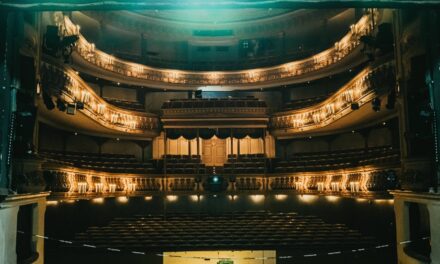
The Konzerthaus, whose construction began in December 1911, was designed by the same Ludwig Baumann together with the theater architects Ferdinand Fellner and Hermann Gottlieb Helmer so that its three halls (Great Hall, Mozart Hall and Schubert Hall) could be used simultaneously without the events interfering with each other.
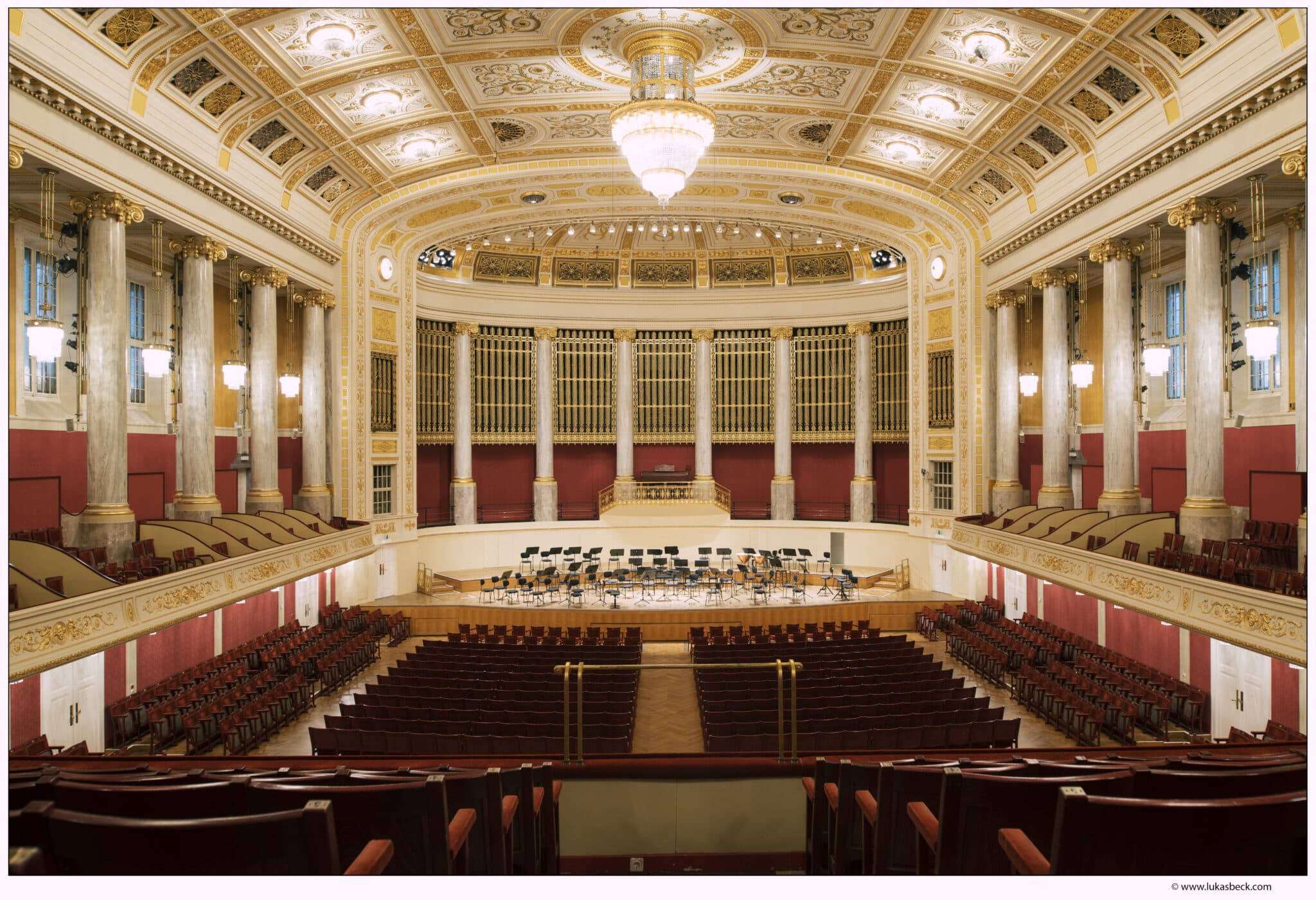
The "Great Hall" of the Wiener Konzerthaus © www.lukasbeck.com
The unique atmosphere of the Wiener Konzerthaus not only attracts artists from the international music scene, but also provides the setting for numerous social events such as balls, conferences, dinners, company presentations and celebrations. The Wiener Konzerthaus has a long tradition of event service dating back to the 1920s.
The wide range of programs and offers, on the other hand, clearly points to the future. Thanks to the large-scale general refurbishment from 1998 to 2001, the venerable building is also ideally equipped for the challenges of the third millennium.