The Jewish Museum of Switzerland in Basel, founded in 1966 as the first of its kind in the German-speaking world after the Second World War, is opening a new chapter in its history. From November 30, 2025, it will open its doors at Vesalgasse 5 - in a building that not only offers more space, but also an atmospherically dense connection between the present and history.
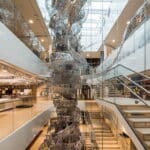
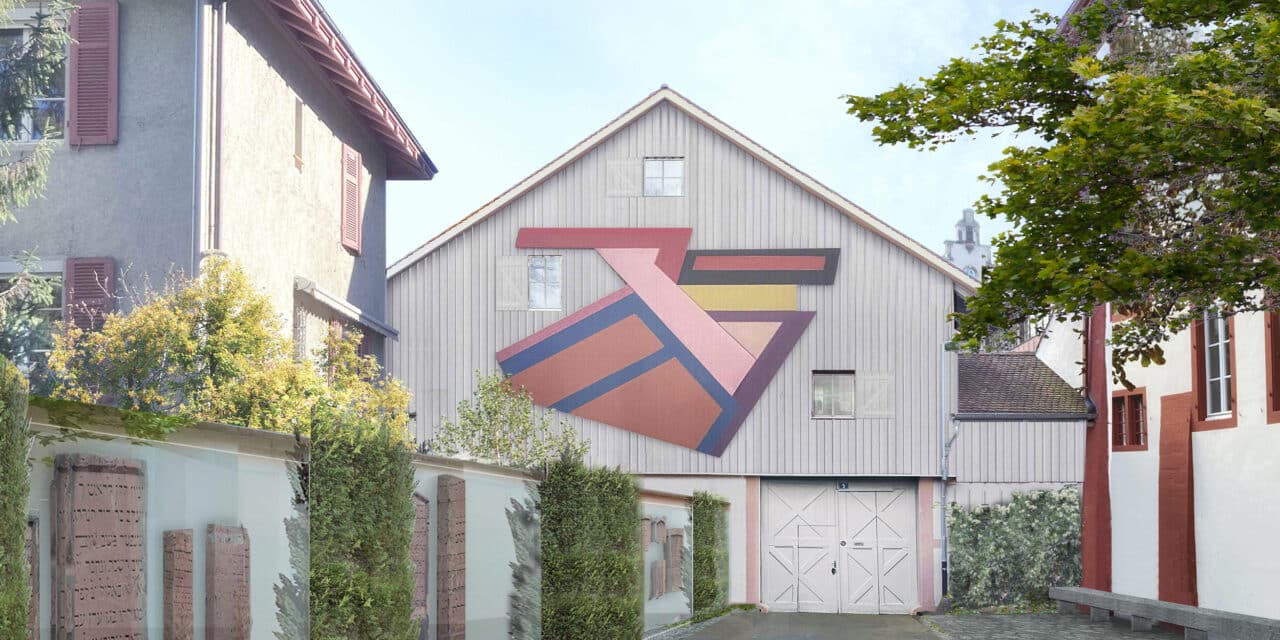
The new building covers 750 square meters, which are divided between permanent and temporary exhibitions, workshop and event rooms, a library and offices. This is the museum's response to steadily growing interest: Guided tours, educational programs and events have increased significantly in recent years. In addition to more space, the new infrastructure also guarantees an optimal climate for sensitive exhibits and a contemporary museum environment. The area next to the house is of particular historical significance. This was once the cemetery of Basel's medieval Jewish community. Some monumental gravestones from the 13th and 14th centuries survived the plague pogroms of 1349 and will be visible at the entrance to the museum in future. An open-air installation, realized in cooperation with the Basel Historical Museum and archaeological soil research, makes the history of this place directly tangible.
The façade of the new building makes a strong visual statement: a reproduction of Frank Stella's work Jeziory (1973), part of his Polish Villages group of works, serves as the frontispiece. Stella was inspired by photographs of destroyed wooden synagogues in Eastern Europe and created monumental works of art that address both memory and loss. The motif combines the architecture of the house with its content: the preservation, reflection and actualization of Jewish culture.
Under the title Cult, Culture, Art. Jewish Experiences, the new permanent exhibition presents works of art, cult objects and archival materials on two floors. Around 80 archive drawers offer insights into miniatures of the collection, while the participatory format Collecting in real time invites visitors to contribute their own photos on selected topics. An interactive children's trail also provides access for younger visitors between the ages of four and twelve. The first special exhibition ties in directly with the frontispiece: Frank Stella and the Destroyed Wooden Synagogues of Eastern Europe sheds light on the creation of the Polish Villages series and shows 24 synagogue models by Moshe Verbin, a survivor of the Shoah, alongside original works by the artist. With the move to Vesalgasse, the Jewish Museum of Switzerland is strengthening its role as a cultural place of remembrance, a forum for exchange and a lively place for Jewish history and the present.
Opening: November 30, 2025
www.juedisches-museum.ch