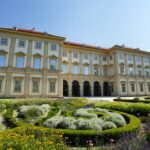
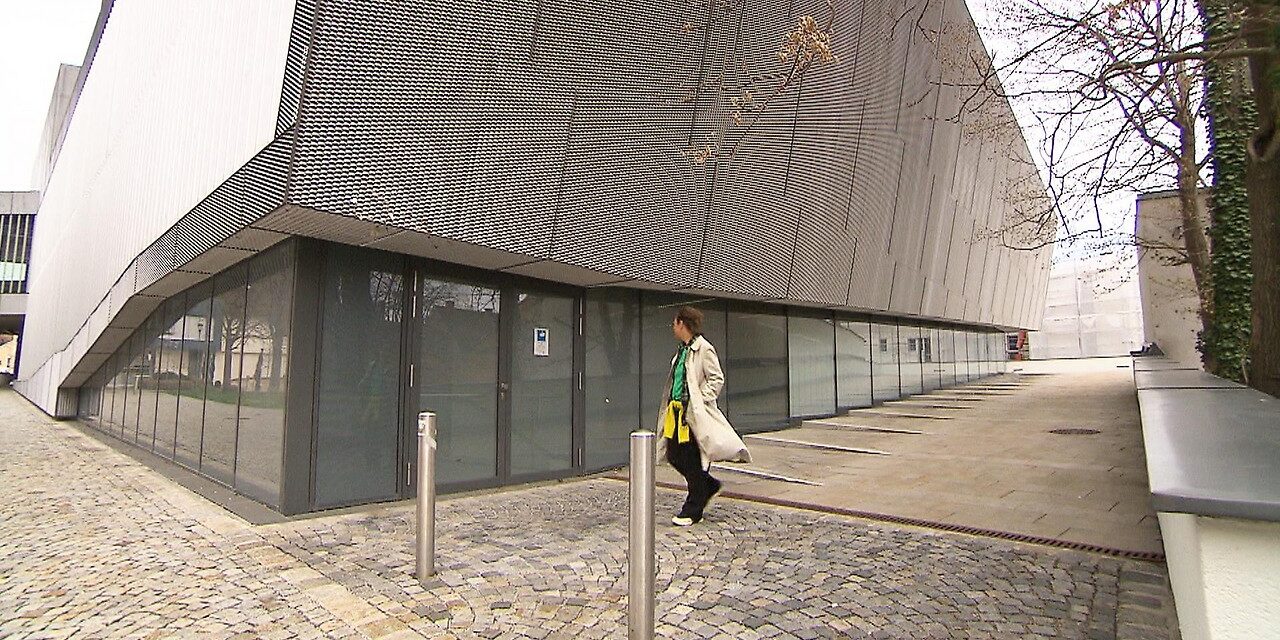
With the exhibition Stabile Performance, the Landesgalerie Burgenland once again positions itself as a central location for contemporary visual art in the province—and as a space where art is not only displayed but also negotiated. The gallery sees itself as a base, a meeting place, and a space for reflection: a place for research, networking, and critical engagement with current events in the art world. The new special exhibition by Viennese artist Lisa Großkopf fits perfectly into this self-image.
Großkopf's work revolves around a term that is omnipresent in our present day: performance. Hardly any other word oscillates so strongly between artistic practice, economic evaluation, and individual self-description. Performance refers to the unique, physical event of art—as well as efficiency, performance, and profitability in neoliberal usage. Stabile Performance not only addresses these shifts in meaning, but also makes them tangible.
In her experimental and often humorous practice, Lisa Großkopf combines aesthetic settings with precise analysis of reality. Her site-specific installations, performative interventions, photographs, videos, posters, and books intertwine and open up spaces in which art and everyday life mirror each other. Perception is not calmed, but rather irritated—as an invitation to take a fresh look at what we take for granted.
The starting point for the exhibition curated by Andrea Popelka is the question of how the economic significance of performance—as a measure of productivity, efficiency, or profitability—relates to artistic performance. And further: What effects do these meanings have on our self-image, on body images, on ideas about work? Theoretical references, for example to authors such as Marina Vishmidt, form an important resonance space. Vishmidt pointed out that performance art anticipated historical developments in modern forms of work by establishing self-performance as a yardstick for evaluation – long before this permeated the entire economy.
Against this backdrop, Großkopf examines the contemporary subject who subjects themselves to an endless process of optimization. This is particularly evident in the field of beauty: in painful facial treatments, disciplined body practices, or ritualized routines of self-improvement. Großkopf reads these practices in parallel with the extreme physical borderline experiences of performance art, for example in the work of Marina Abramović, whose iconic figure appears in the exhibition as an economic and symbolic projection surface. The question that arises from this is as simple as it is uncomfortable: How much can be extracted from a body—and why do we even try to squeeze it so hard?
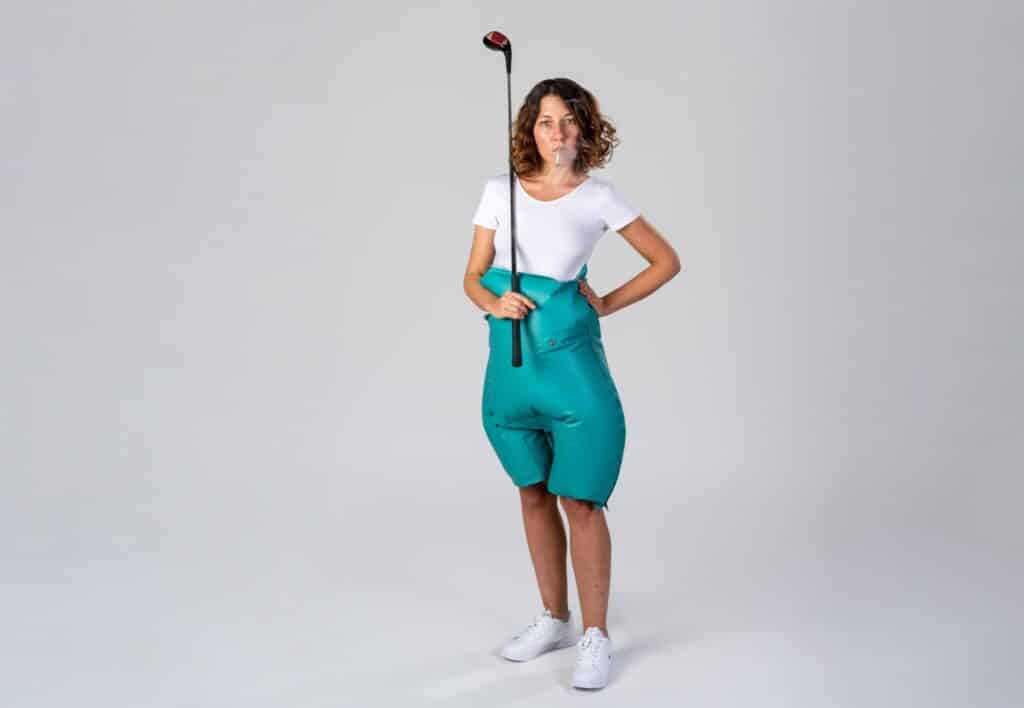
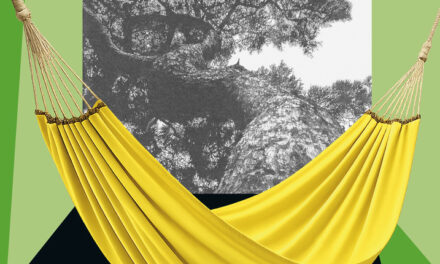
Lisa Großkopf "Stable Performance" © Lisa Großkopf/Bildrecht Vienna, 2025
Artist Lisa Großkopf: "I am disturbed by the promise of self-optimization—the idea that health, beauty, and personal well-being are merely a question of willpower. It angers me immensely that social realities are completely ignored in this context. The paradox is that although I question this cult of performance, I find myself realizing how much I have internalized it myself." Andrea Popelka, curator of the exhibition, describes the approach as follows: "Lisa Großkopf's artistic works say no to the many capitalist yeses, yeses, yeses that are demanded of us every day. In addition, the artist emphasizes the playful and collaborative components of performance art as a score that can be disseminated and is open to appropriation." Birgit Sauer, artistic director of the Landesgalerie Burgenland, says of the artist: "Lisa Großkopf questions everything—uncompromisingly. She uses her own body just as relentlessly as she exposes and dissects artistic and social structures. At the same time, her art and her reflections carry a remarkable lightness that opens up access and makes the sharpness of her analyses even more visible."
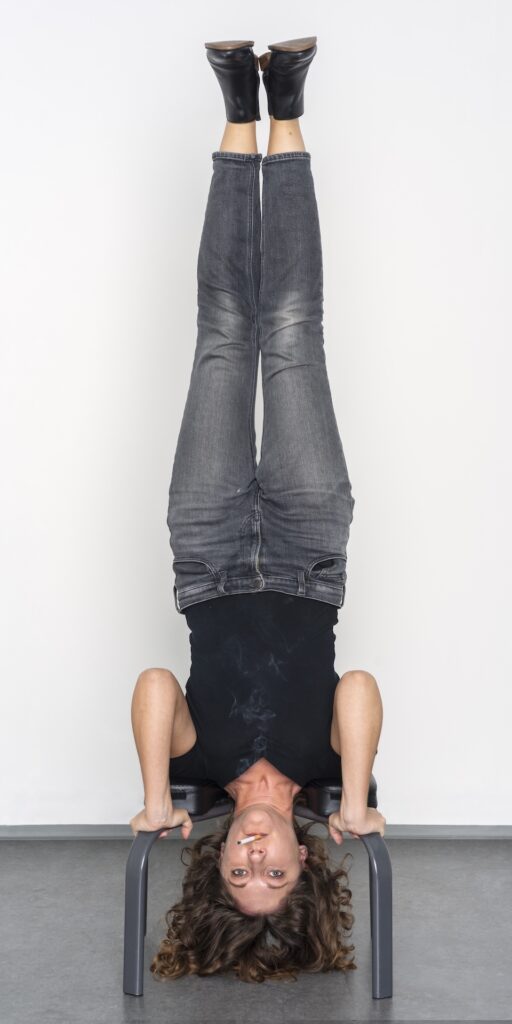
Lisa Großkopf, upsidedown (from the series Quitting Smoking Might Be Easier) ©) Lisa Großkopf/ Bildrecht Wien, 2026
A central concern of the exhibition is to make visible the material conditions under which art is created. Großkopf mimics forms of work or performs them herself—for example, as a museum attendant. Through these shifts, she reveals structural inequalities: between artistic work and institutional infrastructure, between authorship and delegated activity. What ideas about work does the art world produce—and how do they affect social working conditions? Who becomes visible, who remains invisible?
These questions culminate during the opening days in a performative intervention: In reference to Marina Abramović and Ulay's Imponderabilia from 1972, ten performers form a narrow passage that visitors must pass through. Unlike the historical model, however, the voices of the performers themselves will also be heard here. Their statements about working conditions, pay, and authorship lend the performance a critical and humorous edge, revealing mechanisms of exploitation as well as the ambivalences of collective production.
At the same time, the exhibition reflects on the institutional integration of performance art itself: as a time-based, body-bound medium that is archived, communicated, and ultimately commodified in the museum. A shop at the end of the tour continues this reflection with a wink, undermining the supposedly clear separation between exhibition space and sales area.
Stabile Performance is a precise and multi-layered examination of a concept that structures our present. The exhibition reveals how deeply performance is inscribed in the body, work, and self-image as a logic of achievement—and invites us not only to recognize this logic, but also to engage with it critically.
February 28 to May 10, 2026
https://landesgalerie-burgenland.at