High above Lake Lucerne and deeply rooted in the region's memory, the Nidwalden Museum sees itself as a living place for engaging with art and history. Its three buildings – the Winkelriedhaus with pavilion, the Salzmagazin, and the Fürigen Fortress – offer a panorama of Nidwalden between tradition and the present. Three permanent exhibitions and several temporary exhibitions each year focus on specific themes, always with an eye on the cultural uniqueness of the canton.
Behind Glass
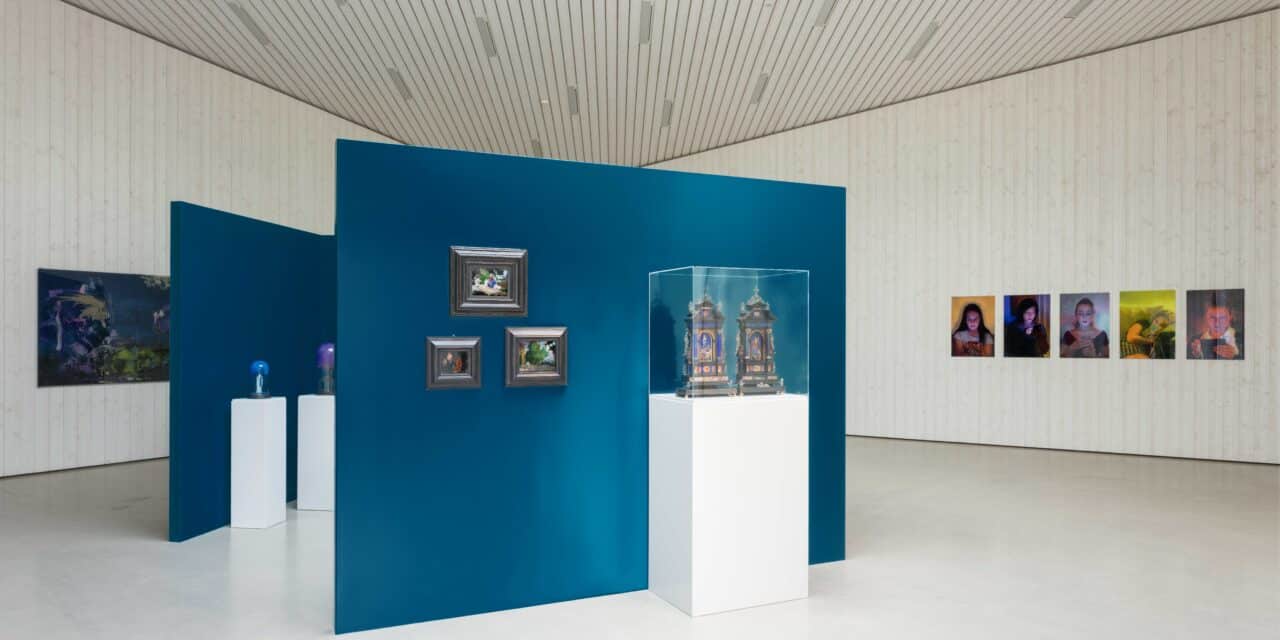
The exhibition "Behind Glass" spans a fascinating arc from the heyday of reverse glass painting in central Switzerland in the 18th century to the present day. Historical works from the 17th to 19th centuries enter into dialogue with contemporary positions – revealing surprising parallels in lighting, motifs, and materiality.
The focus is on the Sursee tradition surrounding the Abesch family. Particularly impressive is the work of Anna Barbara Abesch, who is considered an outstanding representative of this art form. With around 300 preserved works and a wide range of clients, she was not only an artist but also a successful entrepreneur.
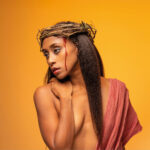
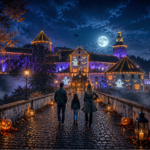
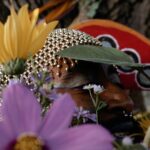
Contemporary accents are set by artists such as Silvia Gertsch, Romuald Etter, Flavio Micheli, and Esther Wicki-Schallberger. Gertsch's "Handy Girls" immerse young women in the supernatural glow of their smartphones—a modern counterpart to the mystical light sources of Baroque depictions of saints. Etter's dreamlike night landscapes oscillate between reality and vision, while Micheli's abstract works behind opal glass deliberately confuse perception. Wicki-Schallberger, in turn, combines religious folk art with poetic contemporary art in her assemblages.
Here, reverse glass painting is not shown as a museum relic, but as a living technique that continues to reinterpret reflection, luminosity, and depth to this day.
February 28 to June 7, 2026, Winkelriedhaus & Pavillon
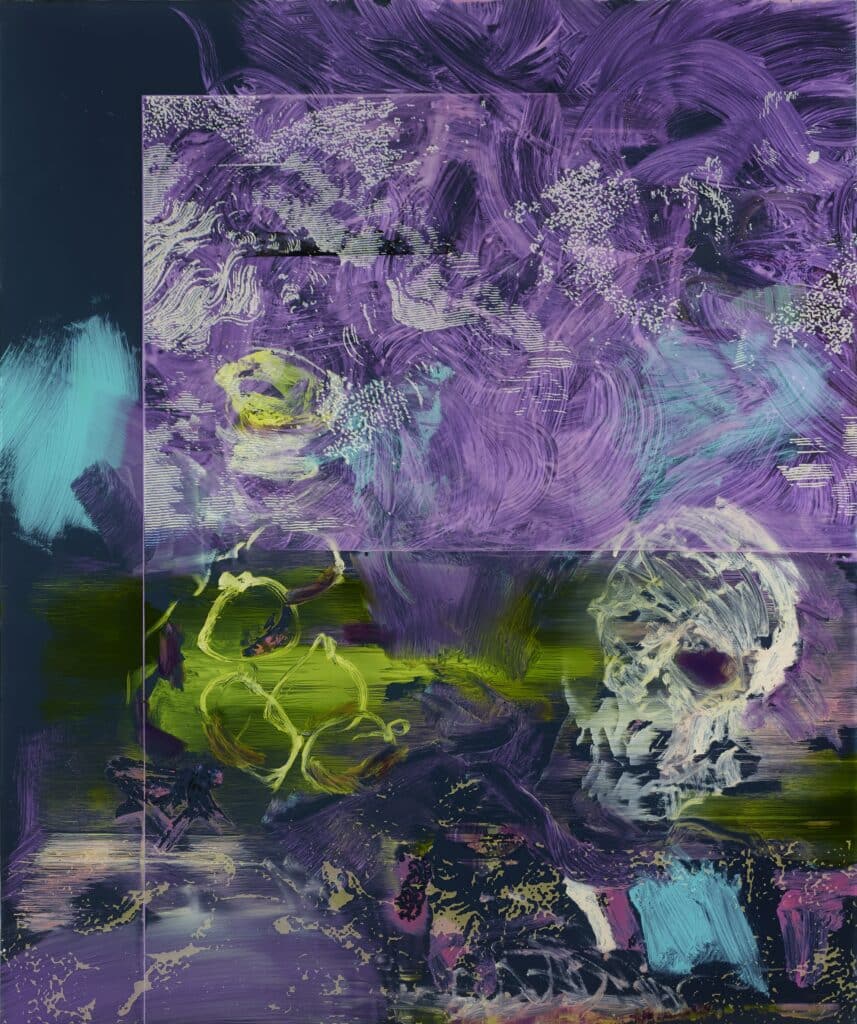
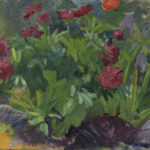
Romuald Etter, Le petit cauchemar 21, 2015/16, oil and silkscreen on glass; oil, synthetic resin, and silkscreen behind glass, photograph: Beat Brechbühl, Lucerne
Homesick elsewhere
To mark the 100th anniversary of his birth, the museum is dedicating a comprehensive retrospective to the artist Pravoslav Sovak. Born in Eastern Bohemia in 1926, Sovak left Prague in 1968 after the invasion of Soviet troops and found political asylum in Switzerland in 1969. From 1978 onwards, he lived and worked in Hergiswil. His work is permeated by a quiet but constant homesickness. Cities such as New York with their skyscraper canyons or the vast expanses of Arizona become imaginary places of refuge in his paintings. Sovak worked for eight years on a single painting entitled "Homesick" – a haunting visualization of the seemingly unattainable place of longing. The exhibition makes it clear that home is not a fixed point, but a process – fragile, changeable, redesignable.
June 27 to October 4, 2026, Winkelriedhaus
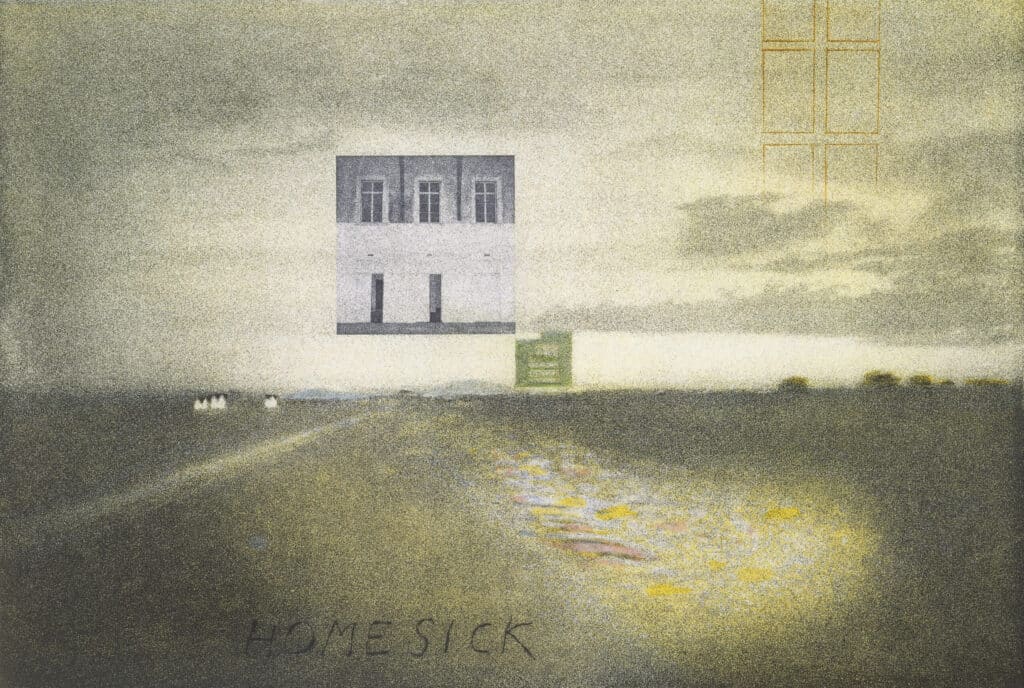
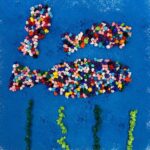
Pravoslav Sovak, Homesick, 1985–1993, print, watercolor © Pravoslav Sovak Foundation Hergiswil
Augustina Flüeler: Nun, artist, textile entrepreneur
With its first exhibition on Augustina Flüeler, the Nidwalden Museum pays tribute to a influential textile artist of the 20th century. Born in Stans in 1899, the nun entered the St. Klara convent and from there fundamentally renewed ecclesiastical paraments. Her liturgical vestments combined clear, modern design with precision craftsmanship. In the convent, she set up a workshop with female employees and made her work internationally known. The exhibition presents her textiles in an art-historical context for the first time and places them in dialogue with the work of Erna Schillig, Regina Amstad, and Max von Moos. Flüeler's works continue to impress with their quality and reveal a self-confident designer who rethought textile design behind convent walls.
November 7, 2026, to May 30, 2027, Winkelriedhaus
No Time to Lose—Of Stubeten, Dancings, and Discos
In 2026, the Salzmagazin, the museum's historic home, will pulsate with the musical history of Nidwalden. "No Time To Lose" tells the story of dance halls, festivals, and legendary discos such as the "Happy Day" and the "Harissen," which once shaped nightlife in Central Switzerland. From folk music at the turn of the century to sophisticated jazz and pop productions "made in Nidwalden," the exhibition highlights social upheavals, moral debates, and technical innovations. The highlight is a replica disco in the style of the 70s and 80s – a sensory immersion into the soundscapes of the past.
March 28 to November 1, 2026, Salzmagazin
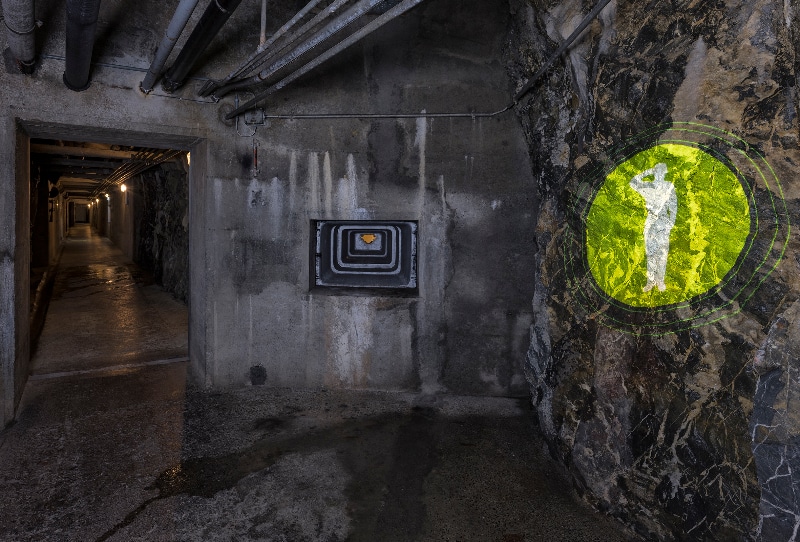
Exhibition view of the permanent exhibition State of Emergency and Everyday Life in the Mountains, photography: Christian Hartmann
Permanent exhibition: State of emergency and everyday life in the mountain
Deep inside the rock, the former military facility documents the period from 1941 to the Cold War years. An audiovisual tour guides visitors through tunnels, gun emplacements, and crew quarters, recounting the everyday life of soldiers in a state of emergency. Personal letters, original equipment, and contemporary accounts provide an intimate glimpse into an era in which defense readiness and uncertainty shaped life. Here, history is not abstract, but can be experienced physically.
March 28 to November 1, 2026, Fürigen Fortress
Whether behind glass, in the studio, on the dance floor, or in the rocks: in 2026, the Nidwalden Museum will impressively demonstrate how diverse and vibrant regional culture can be—as a mirror of the past and a sounding board for the present.
www.nidwaldner-museum.ch