With the exhibition "Neue Wildnis" (New Wilderness), the Gewerbemuseum Winterthur focuses on a form of nature that has long been overlooked – and is therefore particularly relevant today. Between paving stones, on wasteland, along railway tracks and highways, spontaneous vegetation unfolds, making use of every ecological niche. What is commonly dismissed as "weeds" proves, on closer inspection, to be a resilient network of adaptation, migration, and coexistence.
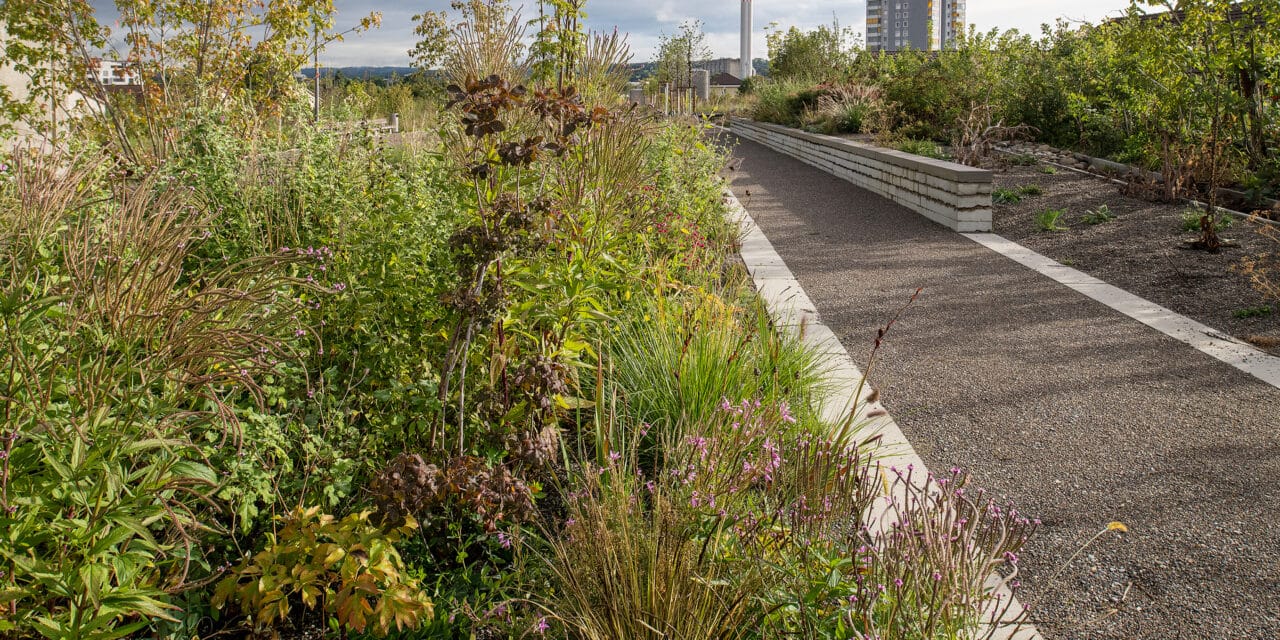
The exhibition brings together projects from landscape architecture, research, and ecology that do not romanticize this urban wilderness, but rather see it as a forward-looking model. Instead of nostalgic images of nature, the focus is on a dynamic understanding of urban nature—one that prioritizes processes over perfection and recognizes change as a quality. In her project "Cohabitat," Franziska Klose portrays urban plants as actors in a networked organism. Traffic islands, roofs, and construction sites appear here as complex habitats with astonishing biodiversity—in some cases higher than in intensively cultivated landscapes. The "Stadtwildnis" (urban wilderness) project in the city of Winterthur shows that this wilderness can also be promoted through planning: differentiated biotope structures create climate-resilient open spaces that not only tolerate biodiversity but actively strengthen it. With "Scent Lab," landscape architect Fanny Brandauer also draws attention to an often overlooked dimension—the scent of these plants, which enhances the sensory experience of urban spaces.
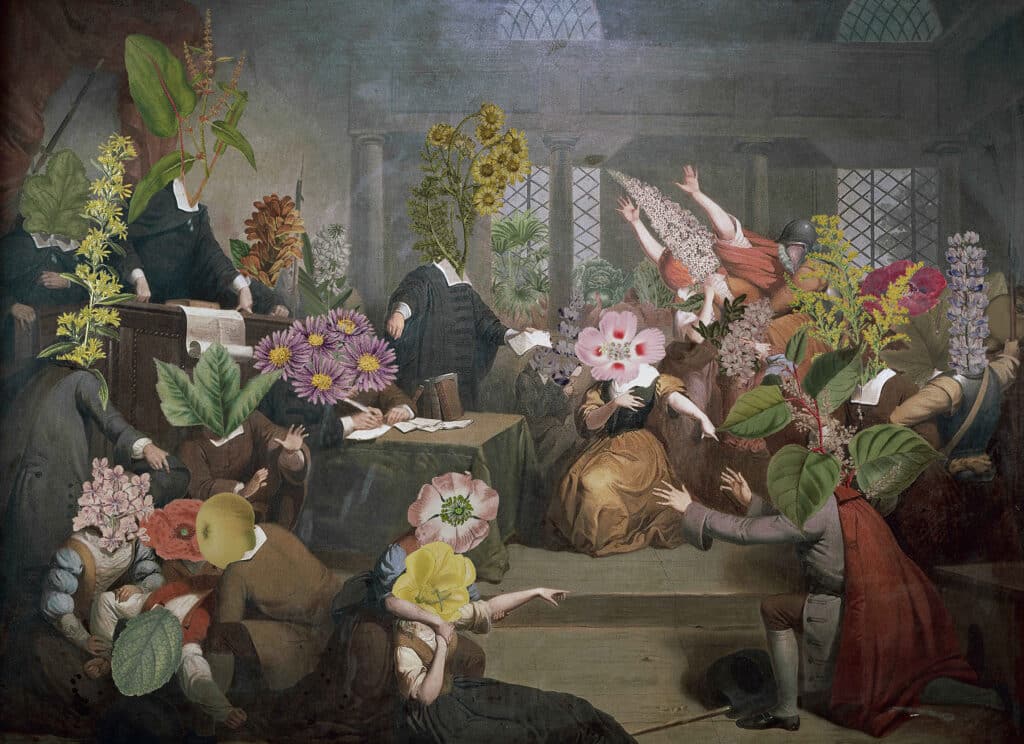
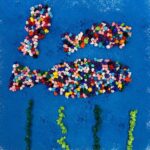
Céline Baumann, Trial of Invasives, collage, 2025 © Studio Céline Baumann
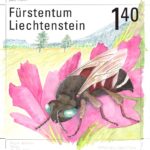
Even infrastructures that appear hostile to life are coming into focus. The "insect highway" in the Zurich-Schwamendingen Overland Park transforms a highway overpass into an ecological passageway for wild bees, beetles, and spiders. In her research project "Vital Milieus," Johanna Just investigates how technological landscapes—such as those in the Upper Rhine Plain—create unexpected spaces for new forms of wilderness. This shows that anthropogenic spaces are not counterworlds to nature, but rather its co-producers. Another focus is the debate about native and non-native species. A Miyawaki forest is being created on the campus in Rapperswil-Jona – a densely planted miniature ecosystem designed to accelerate natural succession. With her collage "Trial of Invasives," Céline Baumann questions our morally charged attitude toward so-called invasive species and focuses on the issue of intervention and control.
The exhibition is placed in its historical context by geographer Matthew Gandy's documentary "Natura Urbana," which presents West Berlin as a laboratory of urban ecology. Archival material from the Swiss Archive for Landscape Architecture draws a connection to the local natural garden movement of the postwar period. Specimens from the collection of the Winterthur Natural History Museum—from horse chestnut seedlings to Alpine swifts—add a material dimension to the discourse. "New Wilderness" does not see the city as opposed to nature, but as a field of experimentation—a place where ecological, aesthetic, and social issues intersect in new ways.
April 2 to August 23, 2026
www.gewerbemuseum.ch
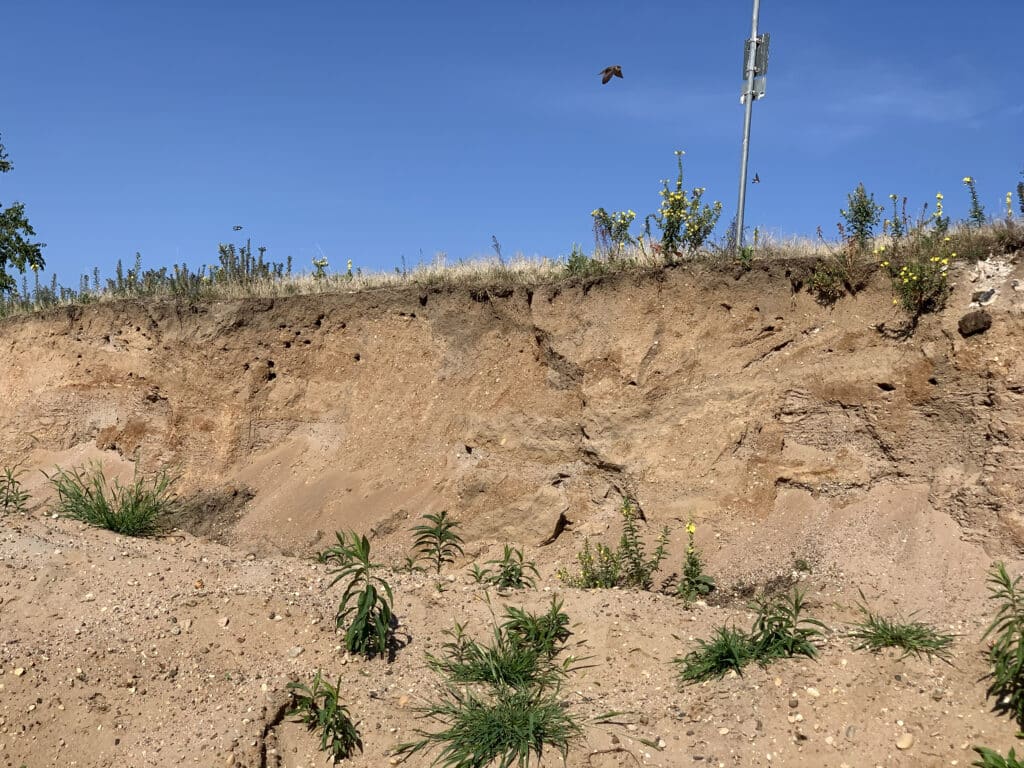
Johanna Just, "Towards a Vital Milieu," 2025