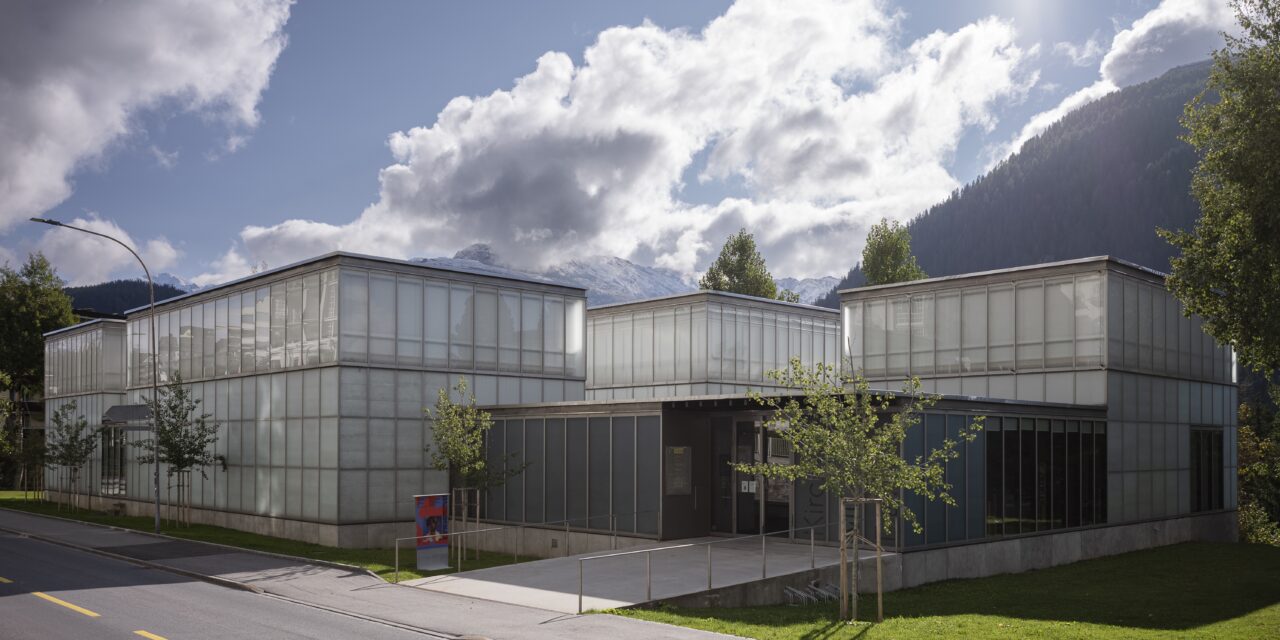
Two artists, two revolutions - and an exhibition that enables a long overdue conversation between them: With Kirchner. Picasso, the Kirchner Museum Davos, together with the LWL Museum of Art and Culture in Münster, is dedicating the first comprehensive juxtaposition to the artistic parallels and contrasts between Ernst Ludwig Kirchner and Pablo Picasso.
Both are among the defining figures of modernism. But while Picasso is considered a pioneer of Cubism, which breaks reality down into faceted forms, Kirchner stands for the expressive energy of German Expressionism, which hurls the life of the soul onto the canvas. In this exhibition, two artistic temperaments meet whose paths never crossed - and yet who were driven by similar questions: about identity, the body, gender and the role of the artist in a changing world.
Kirchner already dreamed of a joint exhibition with Picasso during his lifetime. In a letter to the art historian Curt Glaser, he confidently wrote that he expected an international show "where Picasso and I should hang side by side". Now, almost a century later, this vision is becoming a reality. International loans from important collections bring the two giants of modernism into an exciting dialog - a dialog that aims less at formal comparisons than at existential questions.
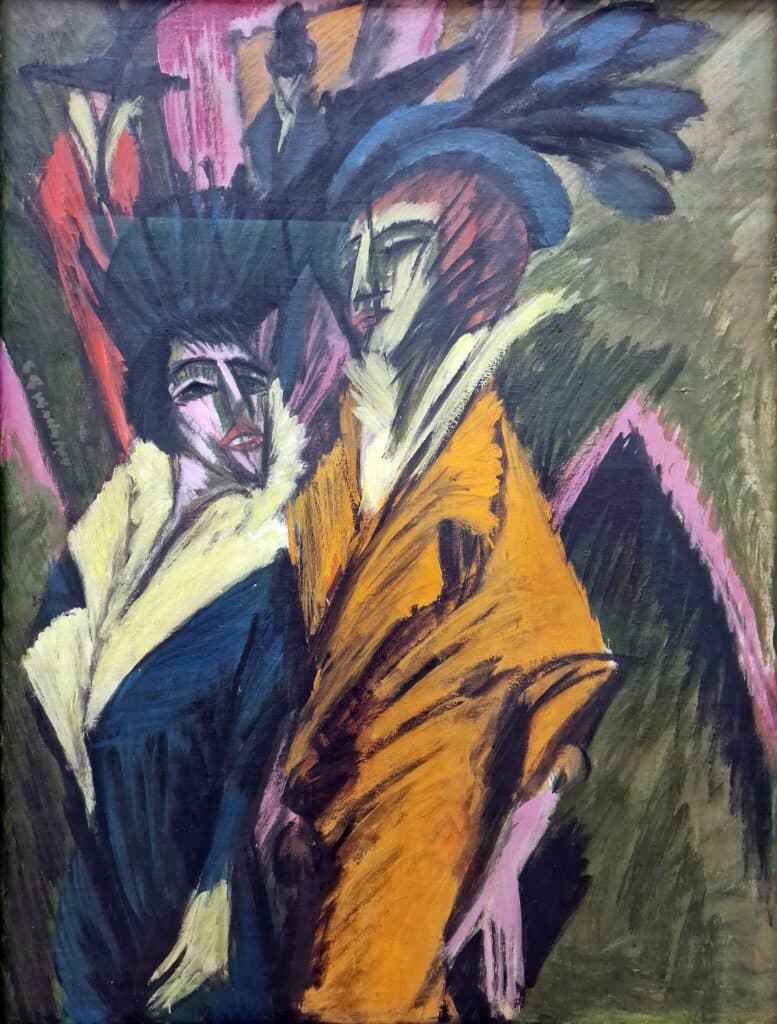
Ernst Ludwig Kirchner (1880-1938), Two Women on the Street, 1914, oil on canvas, Kunstsammlung Nordrhein-Westfalen, Düsseldorf, Photo: bpk / Kunstsammlung Nordrhein-Westfalen, Düsseldorf / Achim Kukulies
Both artists sought radically new definitions of the human image. In Picasso's work, the body becomes a field of experimentation with form, a place of constant transformation between fragmentation and recombination. Kirchner, on the other hand, focuses on eruptive gestures that show humans as pulsating beings in the midst of an alienated civilization. As different as their means of expression may seem, they are united by a common concern: the struggle for authenticity in an accelerated, turbulent era.
In addition to key paintings, the exhibition features selected sculptures, graphic works, and drawings that illustrate the complexity of both positions. While Picasso analytically dissolves the boundaries between body and space, Kirchner searches for an inner truth that transcends the visible in rhythmic lines and bright colors.
Kirchner. Picasso thus becomes an encounter between two ways of thinking—between analysis and ecstasy, head and body, form and feeling. It shows that modernism thrived not only on contrasts, but also on friction: on the relentless attempt to give the world a new image.
February 15 to May 3, 2026
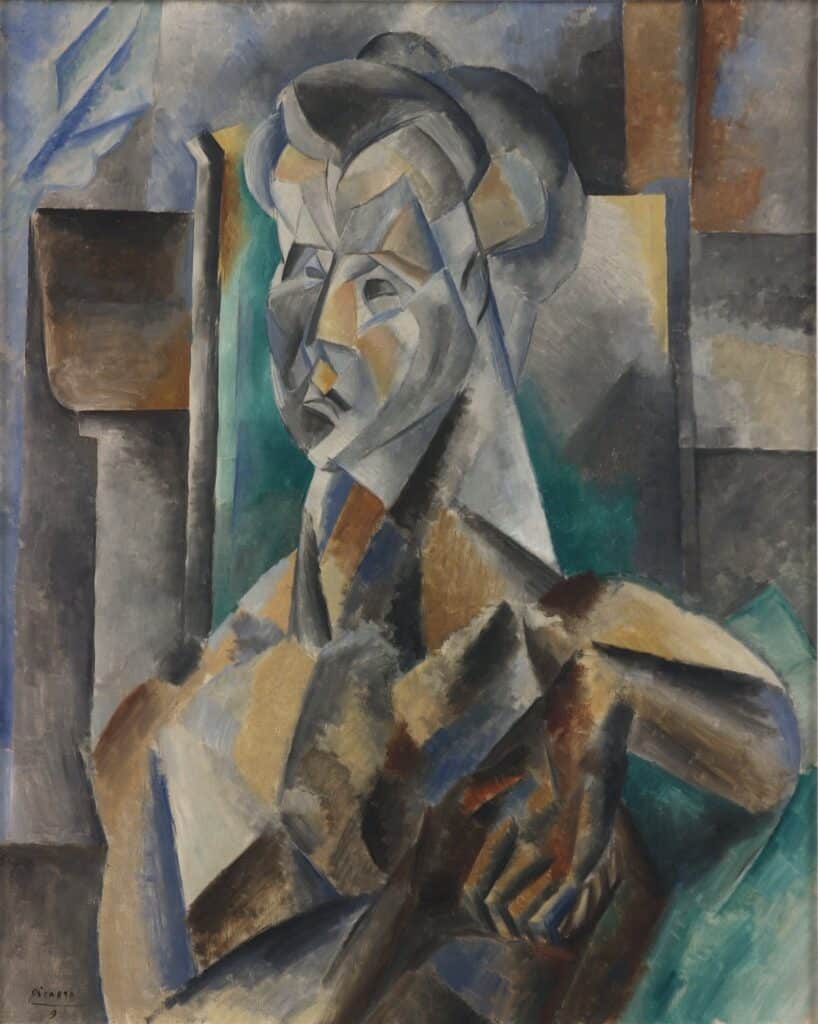
Pablo Picasso (1881-1973), Femme en vert, 1909, oil on canvas, Collection Van Abbemuseum, Eindhoven, photo: Peter Cox, Eindhoven, © Succession Picasso / 2025, ProLitteris, Zurich
Exhibition preview: FARBENRAUSCH (COLOR RUSH)
Bright, intense, full of movement: the Farbenrauschexhibition invites visitors to rediscover Ernst Ludwig Kirchner's work as a sensual adventure in color. From the powerful contrasts of his Berlin years to the vibrant color fields of his Davos period, color becomes a vehicle for emotion, perception, and attitude toward life in Kirchner's work. But Farbenrausch goes beyond the visual. Interactive stations and vivid experiments show how color is created—through light, material, and the interplay of the eye and brain. Colors change, dissolve, and reemerge. The exhibition thus combines art and science into an experience that arouses curiosity and appeals to all the senses.
An inspiring journey for art lovers, families, and anyone who wants to experience color rather than just look at it.
From June 14, 2026
https://kirchnermuseum.ch
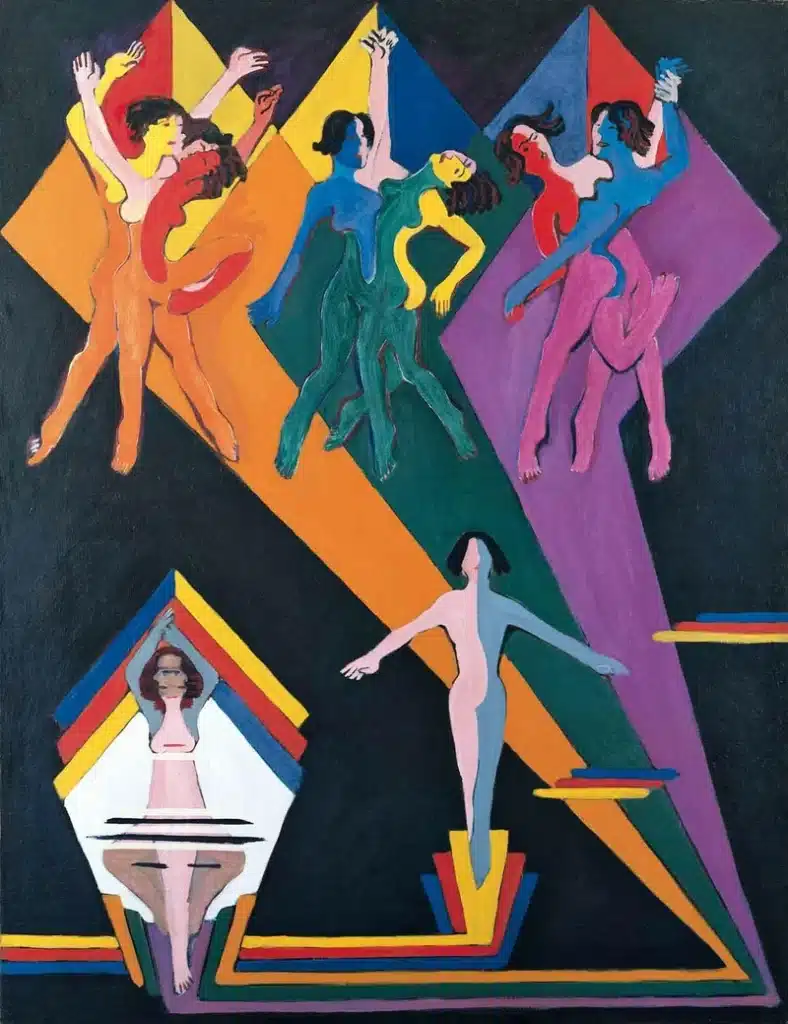
Ernst Ludwig Kirchner (1880–1938), Dancing Girls in Colored Rays, 1932–37, oil on canvas in original frame, Kirchner Museum Davos, donation from the estate of Ernst Ludwig Kirchner, 1990