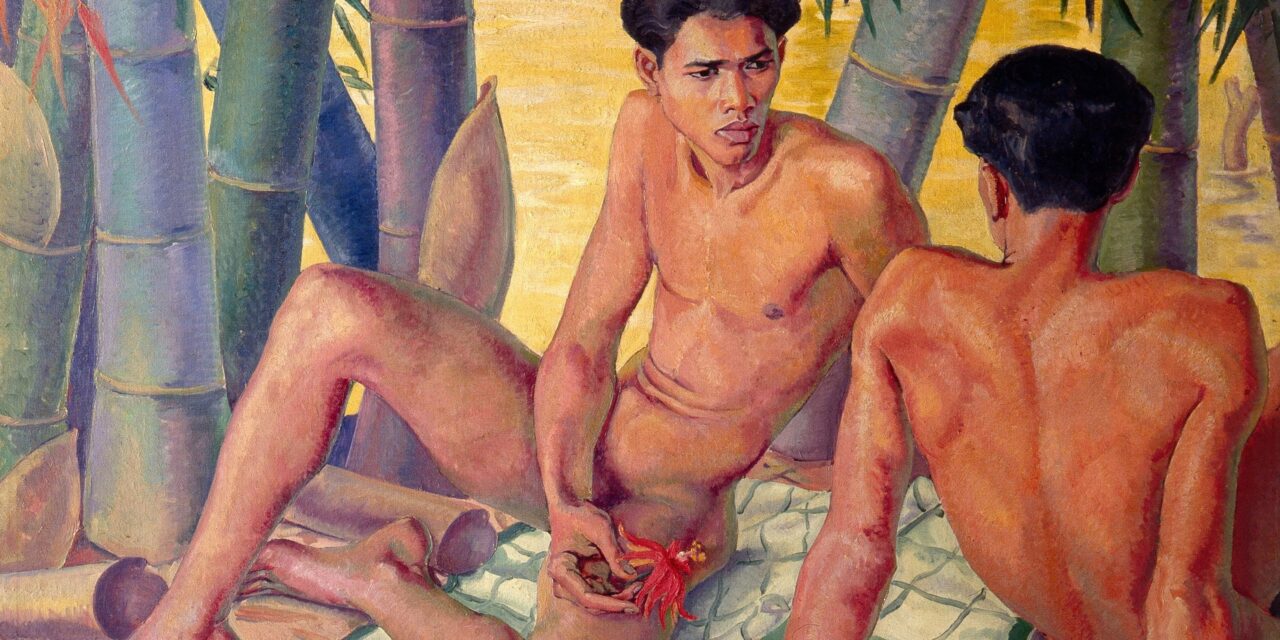
How is identity created - and when does desire become visible? The exhibition The First Homosexuals at the Kunstmuseum Basel undertakes a fascinating search for traces of the period between 1869 and 1939 - an era in which art and society approached same-sex desire and gender diversity in a tentative, provocative and poetic way for the first time. Around one hundred works - paintings, photographs, sculptures and works on paper - tell of new beginnings and ambivalence, of intimate glances and coded gestures, of people who began to see themselves anew.
The year 1869 marked a turning point: the word "homosexual" appeared in the German-speaking world for the first time - initially as a medical term, but soon as a political and social provocation. What was intended as a categorization became a space for self-assertion in art. In their studios, artists found what society denied them: Freedom. In portraits, nudes, letters and photographs, they created counter-images to the prevailing moral concepts - quietly, vulnerably, subversively.
The exhibition shows how queer lifestyles gradually took shape - and how closely art and identity were intertwined. Friendship became a shelter, the body became a language, the studio a place of refuge. An invisible bond emerges between the lines and in the gazes of those depicted: an early self-image of what is now called LGBTQIA+.
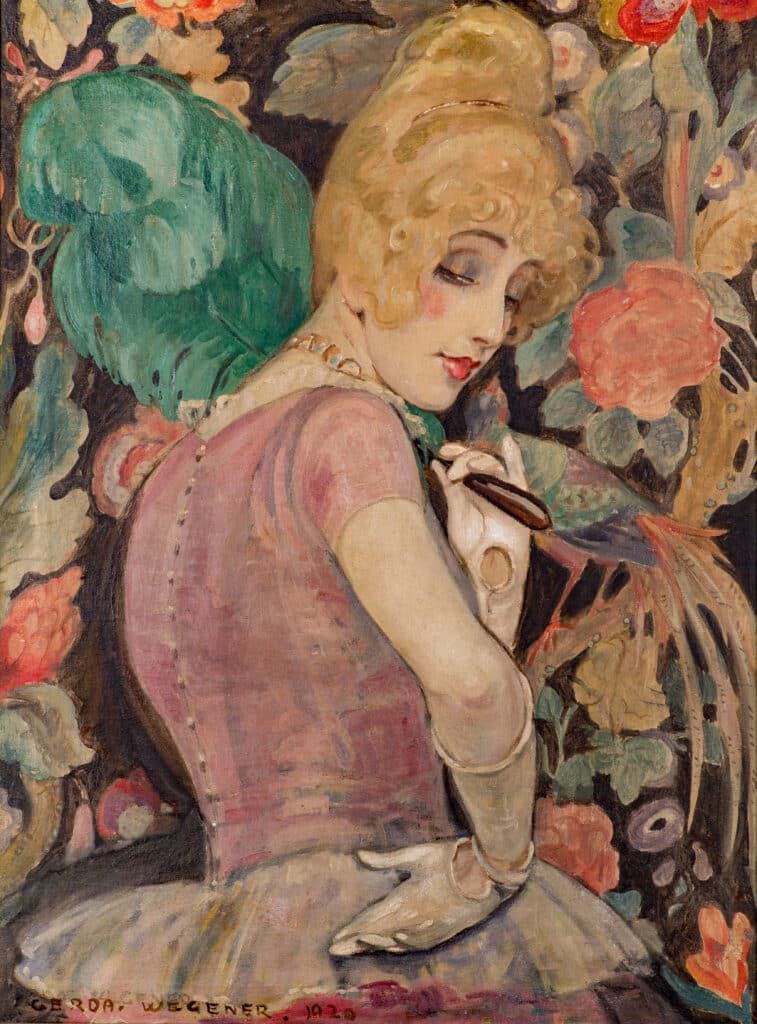
Gerda Wegener, Lili with a feather fan, 1920, oil on canvas, private collection, Denmark
But The First Homosexuals does not stop at the European context. The exhibition broadens the view and shows how colonial power relations shaped ideas of sexuality and the body - and how artists around the world began to elude these attributions. The result is a panorama of global interdependencies that understands the emergence of new identities as a process of cultural negotiation.
Curated by Jonathan D. Katz and Johnny Willis, the Basel adaptation of the exhibition - following its premiere in Chicago - opens up a space in art history that has been little explored to date. International loans meet treasures from the museum's own collection and reveal how creative self-empowerment grew out of social exclusion. The First Homosexuals is therefore much more than a historical show. It is an invitation to see the invisible - and to feel how courageous, vulnerable and modern those who dared to be themselves back then were.
March 7 to August 2, 2026
www.kunstmuseumbasel.ch